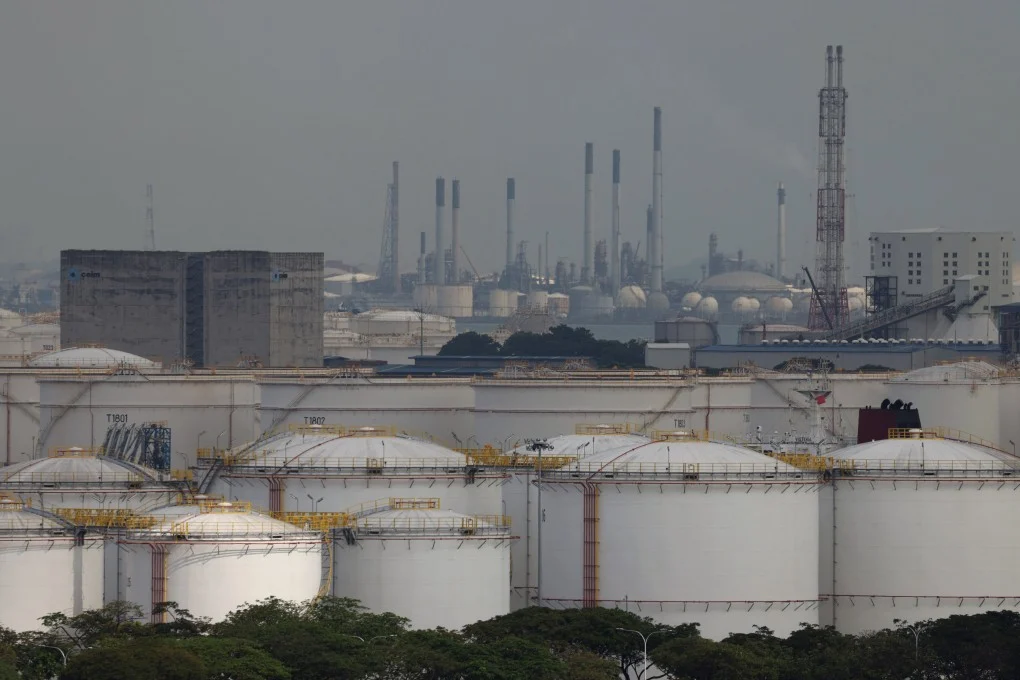
Singapore has announced a series of measures to combat the global energy crisis impacting the economies of many nations. Despite the challenges, analysts believe that Singapore is in a better position than its Southeast Asian neighbors, enabling it to handle this crisis more effectively.
These measures come at a time when the region is experiencing a sharp rise in fuel prices due to the ongoing conflict in the Middle East, which has affected supply chains. The Singaporean government has taken swift actions to alleviate burdens on households and businesses, including imposing price caps on fuel and offering incentives for remote work.
Details of the Measures
The Singaporean government aims to support families and businesses through a range of economic measures. These include direct financial assistance to low-income households and support for small and medium-sized enterprises significantly affected by rising energy costs. Plans have also been announced to encourage the use of renewable energy and energy efficiency technologies.
At the same time, the government is working to strengthen local supply chains to reduce reliance on imports, which helps stabilize prices in the domestic market. Officials have indicated that these measures are designed to protect the national economy and promote long-term sustainability.
Background & Context
Historically, Singapore has relied heavily on energy imports, making it vulnerable to fluctuations in global fuel prices. With escalating conflicts in the Middle East, it has become essential for the nation to develop new strategies to ensure stable energy supplies. In recent years, there has been an increase in investments in renewable energy projects, reflecting the government's commitment to reducing dependence on fossil fuels.
Singapore is considered one of the most advanced countries in technology and innovation, enabling it to develop effective solutions to current challenges. However, global economic challenges require a swift and effective response from the government.
Impact & Consequences
The global energy crisis is expected to affect economic growth in Singapore, as rising energy costs may lead to increased inflation and reduced consumer spending. Nevertheless, government measures may help mitigate these effects in the short term.
This crisis could also lead to changes in consumer behavior, with more people turning to sustainable energy options. This shift may contribute to enhancing innovation in the renewable energy sector, ultimately benefiting the national economy in the future.
Regional Significance
The global energy crisis significantly impacts Arab countries, many of which rely on oil and gas exports. While some countries may benefit from increased revenues due to rising prices, others may face challenges in meeting their energy needs.
These circumstances require Arab nations to consider new strategies to cope with global market fluctuations, including boosting investments in renewable energy and developing local supply chains.
The global energy crisis poses a significant challenge for many countries, including Singapore. However, the measures taken by the government may help mitigate the impact on the national economy, while Arab nations must also prepare to face these challenges.