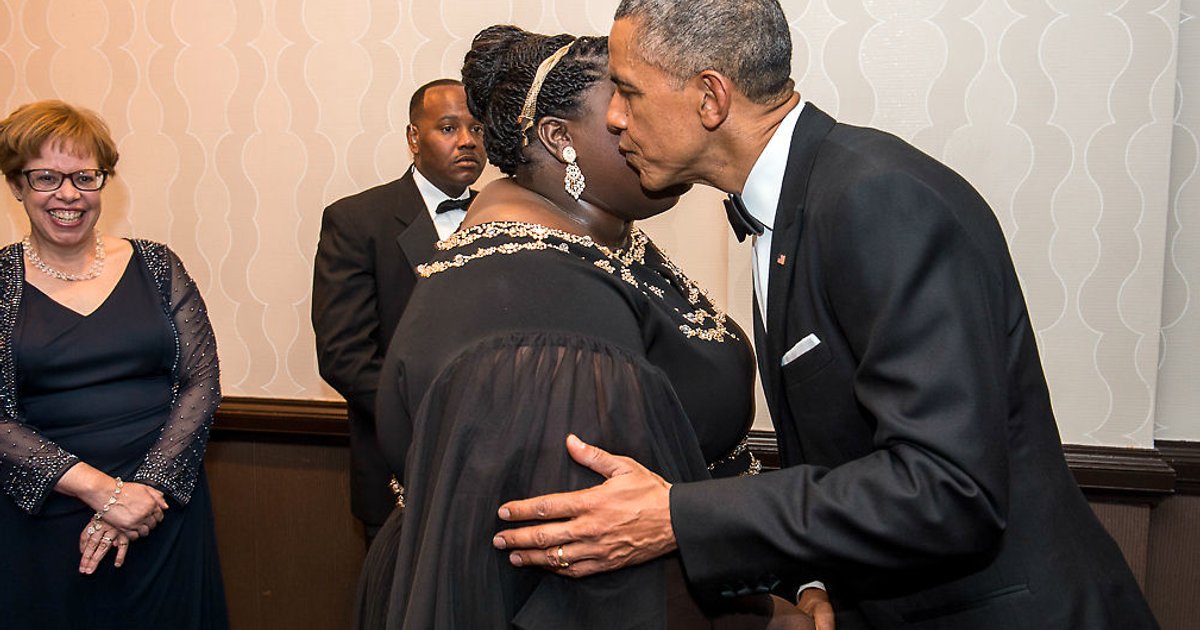
Recent media reports have revealed six serious security gaps during the White House Correspondents' Dinner, raising major concerns about the level of protection afforded to the U.S. President. These vulnerabilities, identified by security experts, indicate a failure in the security protocols designed to protect the President and senior officials.
This incident comes at a sensitive time, as fears grow regarding the personal safety of the U.S. President amidst increasing political and social tensions. The dinner, considered an annual tradition that brings together journalists and government officials, saw the attendance of numerous prominent figures, highlighting the need for enhanced security measures.
Details of the Event
According to reports, six key security vulnerabilities were identified, including poor coordination among security agencies, insufficient security screening of guests, and a lack of adequate procedures to handle potential threats. These gaps could endanger the President's life and raise questions about the readiness of security agencies to confront challenges.
Among the vulnerabilities reported was the absence of an effective attendance monitoring system, allowing unauthorized individuals to gain access. Additionally, weaknesses in communication between different security teams were revealed, resulting in an inability to respond swiftly to any emergency situation.
Background & Context
Historically, the White House Correspondents' Dinners have been seen as an opportunity to strengthen relationships between the media and the government, but they also pose significant security challenges. In recent years, these events have witnessed an increase in security threats, prompting authorities to adopt stricter measures.
Previously, similar dinners faced critical security incidents, leading to a reassessment of security protocols. However, it appears that the lessons learned have not been adequately implemented, raising concerns about the effectiveness of the protection provided.
Impact & Consequences
These security vulnerabilities raise questions about the U.S. government's ability to protect its senior officials and may negatively impact public trust in security measures. If these gaps remain unaddressed, they could lead to serious consequences for national security.
Furthermore, this incident may affect the relationship between the government and the media, as journalists may feel unsafe during their coverage of official events. This could lead to a reduction in media coverage of government events, impacting transparency and accountability.
Regional Significance
Although the incident pertains to the United States, it has potential implications for the Arab region. These security gaps reflect the challenges faced by governments in protecting their leaders, which may lead to a reevaluation of personal security strategies in Arab countries.
Additionally, this incident may influence how Arab governments interact with the media, as they might draw lessons from this event to enhance their security measures during public events.