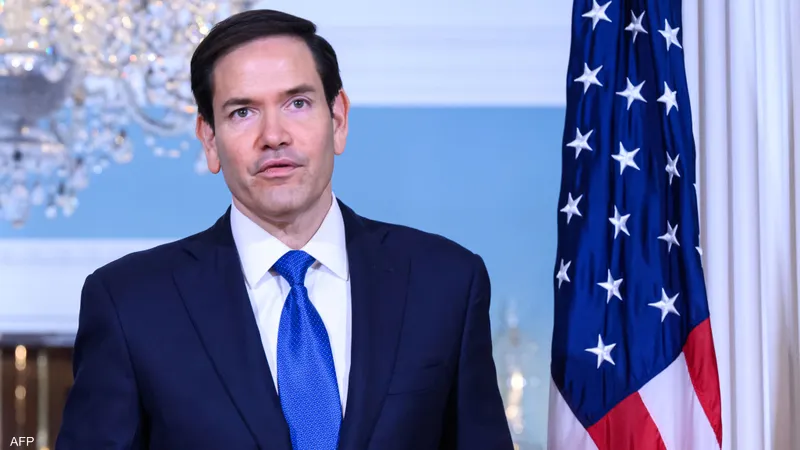
US Secretary of State Marco Rubio reported that indirect negotiations with Iran have made slight progress, while the prospects for a permanent agreement to end the war remain unclear. These remarks were made during a meeting of NATO foreign ministers held in Sweden on Friday.
Rubio, who is involved in complex diplomatic efforts, noted that the progress achieved is a positive sign, but he cautioned against overstating the current situation. His statements reflect a cautious approach to the negotiations, as many issues remain unresolved between the two sides.
Details of the Event
Tehran is currently considering the latest proposal submitted by the United States through Pakistan, but it has not set a formal date for a response. Among the main issues causing tension between Iran and the United States are the Strait of Hormuz and the Iranian nuclear program, which are seen as significant obstacles to reaching a comprehensive agreement.
The negotiations between the two sides are characterized by complexity, as regional and international interests intertwine, making it more difficult to reach lasting solutions. At the same time, other countries in the region are closely monitoring these developments due to their potential impact on regional security and stability.
Background & Context
These negotiations are part of ongoing international efforts to reach a comprehensive agreement regarding the Iranian nuclear program, which has raised concerns among many Western nations. Since the United States withdrew from the nuclear agreement in 2018, relations between Washington and Tehran have deteriorated significantly, leading to increased military and economic tensions.
Historically, Iran has been at the center of many crises in the region, playing a key role in regional conflicts. Reaching an agreement with Iran could help ease tensions, but it requires concessions from all parties involved.
Impact & Consequences
If a permanent agreement is reached, it could lead to improved relations between Iran and the West, contributing to regional stability. However, any progress in the negotiations depends on the parties' ability to overcome current disagreements.
On the other hand, any setbacks in the negotiations could escalate tensions, negatively affecting regional security. Therefore, closely monitoring current developments is essential to understanding the future implications of this issue.
Regional Significance
The negotiations between the United States and Iran are particularly significant for Arab countries, as any changes in relations between the two sides could impact security and stability in the region. Ongoing tensions may affect oil prices and the regional economy as a whole.
Ultimately, the US-Iran negotiations remain a focal point of interest, representing an opportunity to find peaceful solutions to ongoing conflicts. The international community is looking for tangible results that contribute to achieving security and stability in the region.