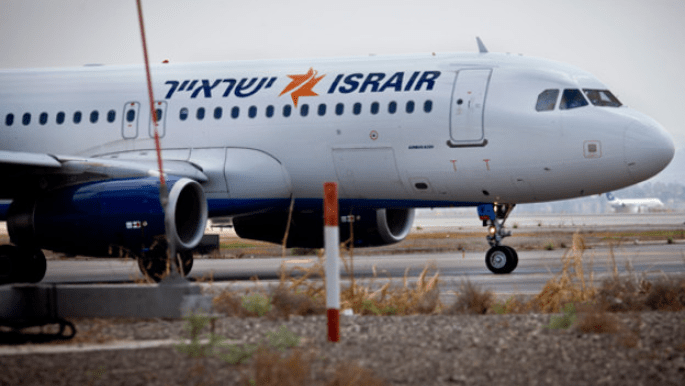
On Wednesday, Slovenian authorities refused to allow an Israeli plane to land in the capital, Ljubljana, which compelled the aircraft to change its course and land in the Croatian capital, Zagreb. This decision comes at a time when political tensions in the region are escalating, raising questions about the diplomatic relations between Slovenia and Israel.
This incident is part of a series of events that reflect the varying positions of European countries towards Israel, especially amid the tense situation in the Palestinian territories. The decision has elicited mixed reactions from observers and analysts, who view it as a step that reflects increasing pressure on European countries to articulate their stances regarding Israeli policies.
Details of the Incident
According to reports, the Israeli plane was en route to Ljubljana when it received notification from Slovenian authorities that it would not be allowed to land. This decision was made at a sensitive time, as international criticism of Israel is rising due to its policies in the occupied territories. The plane was redirected to Zagreb, where it landed safely.
It is noteworthy that Slovenia, which is a member of the European Union, has previously taken positions that reflect its concerns about Israeli policies, indicating shifts in European attitudes towards the Palestinian issue.
Background & Context
Historically, relations between Slovenia and Israel have been fluctuating, experiencing periods of cooperation and others of tension. Since Slovenia's independence in 1991, the country has sought to build diplomatic relations with various nations, including Israel. However, the changing political stances in the region, particularly regarding the Palestinian issue, have impacted these relations.
In recent years, many European countries, including Slovenia, have witnessed an increase in public and political pressure to express clearer positions regarding Israeli policies. This pressure may stem from civil society organizations, as well as from political parties advocating for support of Palestinian rights.
Impact & Consequences
This decision may have wide-ranging implications for diplomatic relations between Slovenia and Israel, potentially leading to further tensions in the future. It could also encourage other countries in the region to adopt similar stances, complicating the political landscape in Europe.
Moreover, this event may spark discussions within Slovenia about how to handle international relations, especially given the increasing pressures from the international community. This could lead to changes in the country’s foreign policies, affecting its position on regional and international issues.
Regional Significance
For the Arab world, this event reflects the ongoing changes in international positions regarding the Palestinian issue. Some may view this decision as a positive step towards supporting Palestinian rights, while others consider it merely a symbolic gesture that does not significantly impact the reality on the ground.
The importance of these events is increasing in the context of Arab-Israeli relations, as many Arab countries are seeking to reassess their relationships with Israel in light of recent developments. This may lead to further discussions on how to achieve peace and stability in the region.
In conclusion, Slovenia's refusal to allow the Israeli plane to land reflects the increasing political tensions in the region and indicates the need to reassess international relations amid changing circumstances. It remains to be seen how events will unfold in the future and whether they will impact relations between European countries and Israel.