The political landscape in Somalia is becoming increasingly complex as President Hassan Sheikh Mohamud insists on holding direct elections that were scheduled for this year, despite the growing opposition to this approach. This insistence comes at a time when the government is facing internal difficulties, primarily disputes with some states, in addition to Israel's recognition of one of the regions.
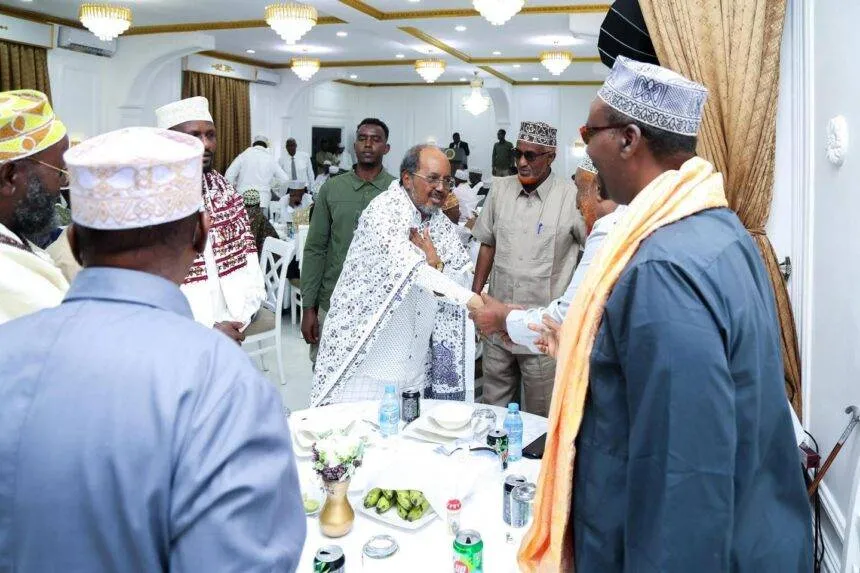
In a meeting with traditional leaders from across the country, Sheikh Mohamud emphasized that restoring power to the people in choosing their political leaders is non-negotiable. He urged traditional leaders to support the direct elections to ensure genuine representation and a transparent democratic system.
Details of the Event
During the meeting, Sheikh Mohamud stressed the importance of the Somali people obtaining their constitutional rights to choose their representatives after 57 years of indirect elections, which have led to numerous problems, including security issues. This statement comes amid disagreements with the opposition regarding direct elections and the adoption of the constitution last March without changing the transition from a parliamentary to a presidential system.
Disputes have been ongoing for nearly a year, with the opposition forming the Future Council of Somalia in October 2025, which includes leaders from the Jubaland and Puntland states, as well as prominent opposition figures. These disagreements reflect deep divisions among regional leaders, further complicating the political scene in the country.
Background & Context
Last March, the federal government announced full control over the city of Baidoa, the temporary capital of the South West State, and appointed a new president for the state. These events followed an attack on Sheikh Mohamud by the Al-Shabaab militant group, reflecting the security tensions the country is facing.
Analysts believe that insisting on direct elections exacerbates the divide between the government and the opposing states. Additionally, the new constitution approved in March 2026 grants the president an additional year, raising concerns about worsening political conditions.
Impact & Consequences
In light of this presidential insistence, analysts see the solution lying in launching an inclusive national dialogue that ensures the participation of opposing states. This dialogue could lead to an agreement on an electoral model that combines direct voting and clan consensus, ensuring the legitimacy of upcoming elections.
On the international front, the Israeli cabinet approved the appointment of an ambassador to the breakaway region of Somaliland, complicating regional relations and raising fears of encouraging other separatist movements in Africa.
Regional Significance
The current situation in Somalia requires diplomatic mobilization by the government, especially with countries like Egypt and Turkey, to isolate the secession internationally. These steps could push the government and opposition towards necessary compromises that prioritize national interests over internal disputes.
In conclusion, the political scene in Somalia remains complex, with the current situation necessitating a concerted effort from both local and international stakeholders to achieve stability and peace in the country.