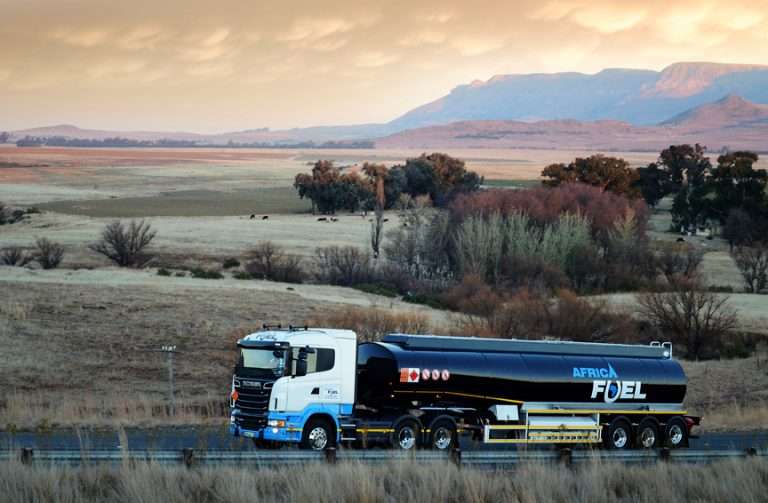
In a move aimed at addressing the economic challenges posed by rising global oil prices, South African Finance Minister Enoch Godongwana announced a reduction in the fuel tax. This decision comes at a time when the country is experiencing a significant increase in gasoline prices, placing a heavy burden on citizens and impacting the national economy.
Godongwana explained that this measure is part of the government's strategy to ease the financial pressures on households and businesses, especially given the difficult economic conditions the country is facing. The tax cut is expected to improve citizens' purchasing power and boost economic activity.
Details of the Announcement
The South African government aims to strike a balance between tax revenues and the economic needs of its citizens through this decision. The rise in oil prices has led to a substantial increase in transportation and energy costs, negatively affecting various economic sectors.
Reducing the fuel tax is seen as a positive step in the current circumstances, as many citizens are suffering from increasing economic pressures. The minister noted that the government will closely monitor the situation to determine if further measures are needed in the future.
Background & Context
Historically, oil prices have experienced significant fluctuations due to geopolitical events and changes in supply and demand. In recent years, global markets have been heavily impacted by economic and political crises, leading to unprecedented increases in oil prices.
South Africa is not alone in facing these challenges, as many countries are grappling with the impact of rising oil prices on their economies. However, the South African government's response through tax cuts is considered a bold step in confronting these challenges.
Impact & Consequences
This decision is expected to have a positive impact on the local economy, as it will alleviate financial burdens on citizens. Additionally, lowering fuel prices may enhance transportation and trade activities, contributing to economic growth.
However, the biggest challenge remains how to maintain the necessary tax revenues to fund public services and development projects. Therefore, the government needs to find a balance between easing tax burdens and ensuring the stability of public finances.
Regional Significance
Oil prices are a critical issue affecting the economies of Arab countries, as many of them rely on oil exports as a primary source of revenue. Consequently, any changes in oil prices or related policies can directly impact economic stability in the region.
Moreover, South Africa's experience in reducing fuel taxes could serve as a model for some Arab countries facing similar challenges. Such policies could help improve citizens' living conditions and promote economic growth.
In conclusion, the decision to reduce fuel taxes in South Africa reflects the government's response to current economic challenges. As oil prices continue to rise, it remains crucial for governments to be flexible and capable of making appropriate decisions to protect the interests of their citizens and foster economic growth.