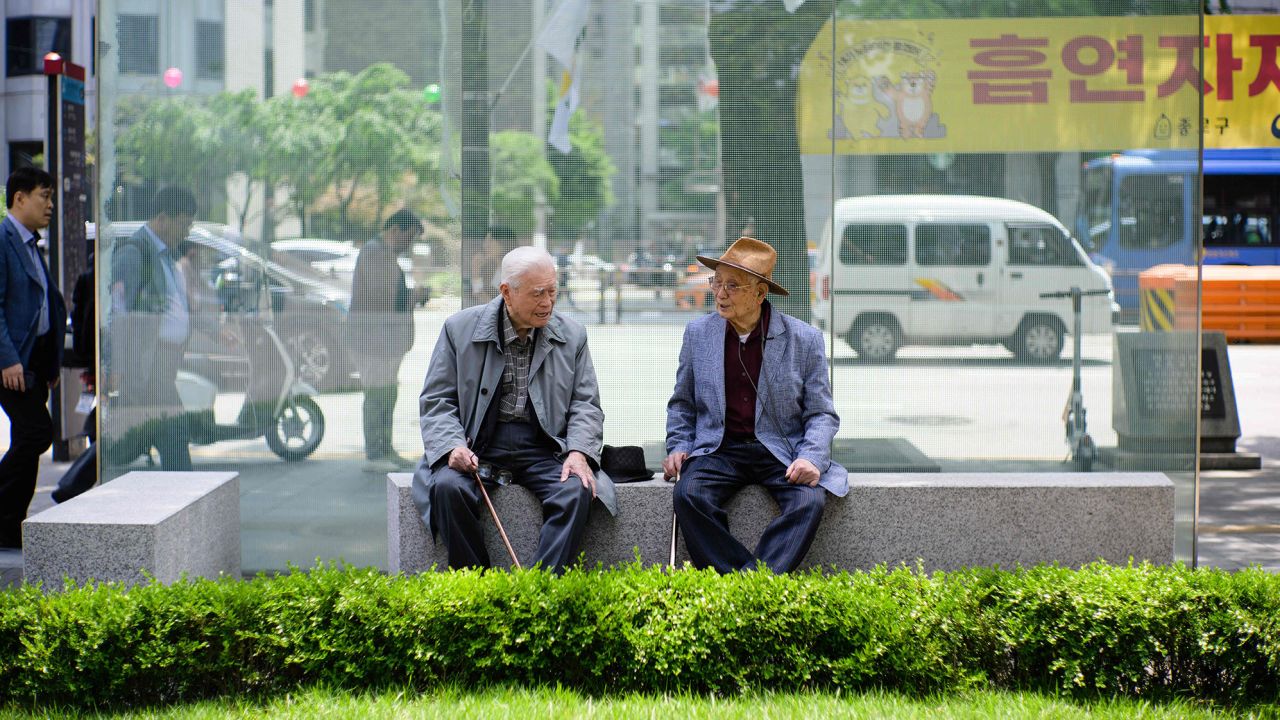
South Korea is recognized as one of the fastest aging societies globally, having begun to adopt artificial intelligence technologies to deliver effective care for elderly individuals living alone. This initiative is designed to improve the quality of life for seniors and assist them in facing health challenges, particularly those associated with dementia.
This step is part of the South Korean government's efforts to tackle the increasing aging crisis, with projections indicating that the number of individuals over the age of 65 will exceed 20% of the total population by 2025. Consequently, the utilization of modern technology has become an urgent necessity to ensure effective care for the elderly.
Details of the Initiative
Korean companies are developing AI systems capable of making regular calls to elderly individuals, where the system can assess their health status through simple conversations. If the system detects any signs of discomfort or mood changes, a notification is sent to caregivers or family members.
This technology extends beyond phone calls, incorporating the use of sensors in homes to monitor daily activities. For instance, devices can track whether a person has eaten or moved normally, helping to identify any emerging health issues.
Background & Context
South Korea is one of the leading countries in technology, having invested significantly in developing innovative solutions to address social challenges. With the increasing proportion of elderly individuals, there is an urgent need to provide effective and appropriate healthcare for them. This shift in healthcare aligns with global trends towards using technology to enhance quality of life.
Impact & Consequences
The use of artificial intelligence in elderly care can have significant positive effects on society. By improving the quality of care, it can reduce the burden on healthcare providers, contributing to an overall enhancement of the healthcare system. Additionally, these initiatives may inspire other countries to adopt similar technologies. However, these technologies also raise concerns regarding privacy and security, necessitating stringent measures to protect user data.
Regional Significance
This initiative represents an important step towards improving elderly care in light of the increasing numbers of seniors, thereby contributing to enhanced quality of life. As South Korea continues to innovate in this field, it sets a precedent for other nations facing similar demographic challenges.
In conclusion, the integration of artificial intelligence in elderly care not only addresses immediate healthcare needs but also promotes a sustainable model for future care solutions, ensuring that seniors can live healthier and more independent lives.