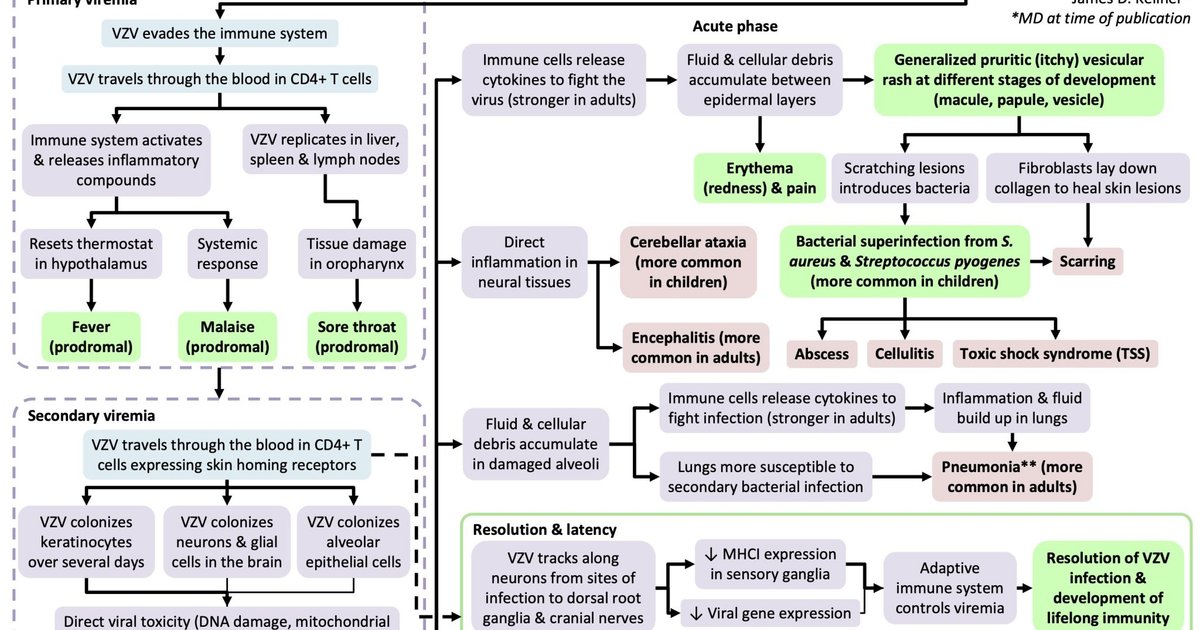
The Indonesian Ministry of Health, through the Director of Non-Communicable Diseases, Dr. Seti Nadia Tamiz, announced that individuals who have contracted chickenpox, also known as the Varicella zoster virus, may be at risk of developing shingles in the future. She confirmed that the virus does not completely disappear from the body but can reactivate due to various factors such as chronic diseases, stress, and aging.
Dr. Nadia explained that many people may consider shingles to be a common ailment, but in certain cases, it can lead to serious complications, especially in individuals suffering from hypertension or diabetes. Additionally, the elderly are more susceptible due to their weakened immune systems.
Event Details
Statistics indicate that approximately 60 million Indonesians suffer from hypertension, while 30 million others are affected by diabetes. These figures highlight the importance of health awareness and disease prevention, especially in light of current health conditions.
Dr. Nadia also advised the necessity of vaccination as a preventive measure, particularly for those over the age of fifty. She emphasized that the vaccine can reduce the risk of developing shingles, making it essential for the community to take effective steps to protect their health.
Background & Context
Chickenpox is a common illness that affects children, but it can lead to serious complications later in life. The Varicella zoster virus remains dormant in the body after recovery from chickenpox, making individuals susceptible to its return in the form of shingles, a painful condition that can affect quality of life.
Historically, shingles was considered a rare disease, but it has become more common in recent years, necessitating greater attention from health authorities. Increasing awareness about this disease can help reduce the number of new cases.
Impact & Consequences
These warnings from the Indonesian Ministry of Health require special attention, as chronic diseases such as diabetes and hypertension pose significant health challenges. Failing to effectively manage these conditions can increase the risk of developing shingles, placing an additional burden on the healthcare system.
Moreover, promoting a healthy lifestyle through exercise and proper nutrition can contribute to strengthening the immune system, thereby reducing the risks of disease. Doctors have pointed out the importance of exercising for at least 150 minutes weekly, focusing on stress management and getting adequate sleep.
Regional Significance
In the Arab region, many countries suffer from high rates of chronic diseases, making the warnings from the Indonesian Ministry of Health relevant. Enhancing health awareness and disease prevention can have a positive impact on public health in Arab countries.
It is crucial for Arab governments to adopt effective strategies to combat chronic diseases and promote public health, helping to reduce the risks associated with shingles and other illnesses.