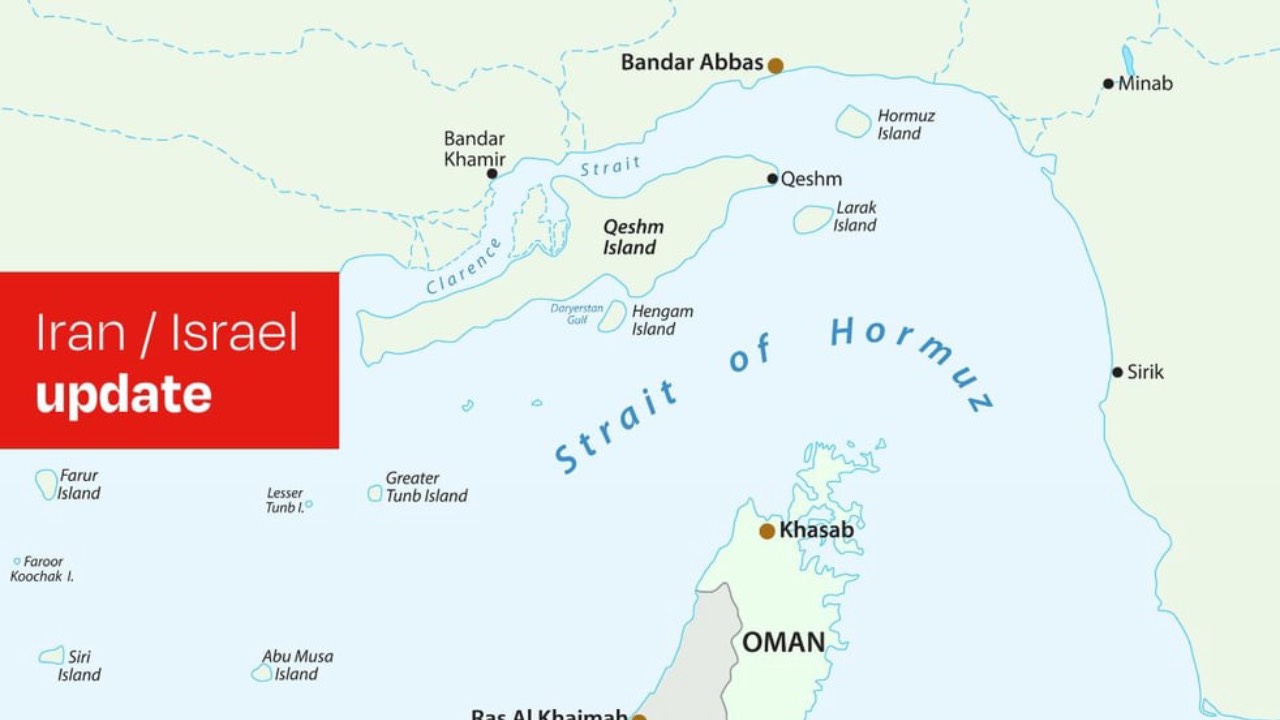
South Korea and France pledged on Friday to enhance maritime security in the Strait of Hormuz during a summit between South Korean President Yoon Suk-yeol and French President Emmanuel Macron in the South Korean capital, Seoul. This agreement comes at a time when the region is experiencing increasing tensions due to ongoing conflicts in the Middle East, threatening the safety of maritime navigation.
During the press conference following the summit, Yoon Suk-yeol confirmed that the two countries agreed to exchange experiences and policies to address the economic and energy crises resulting from regional conflicts. He also emphasized the importance of cooperation in reducing uncertainty in the global economy.
Details of the Summit
As part of this summit, the importance of enhancing energy security was emphasized through expanded cooperation in nuclear energy and offshore wind energy. Yoon explained that the two countries will work together to ensure the safety of maritime transport through the Strait of Hormuz, which is one of the most important maritime passages in the world.
Additionally, they agreed to increase trade and investment between South Korea and France, setting a target to reach $20 billion annually by 2030, up from $15 billion last year. Several agreements were signed to enhance cooperation in advanced fields such as artificial intelligence, semiconductors, and quantum technology.
Background & Context
The relations between South Korea and France are part of both countries' efforts to enhance bilateral cooperation in various fields. The bilateral relationship has seen significant development since Macron took office in 2017. This summit comes at a sensitive time as tensions in the Middle East are rising, impacting the global economy.
The Strait of Hormuz is a vital transit point for oil and natural gas, through which approximately 20% of the world's total oil passes. Therefore, any threat to this passage could lead to rising energy prices and economic instability in many countries.
Impact & Consequences
The cooperation between South Korea and France in securing navigation in the Strait of Hormuz could contribute to enhancing stability in the region, which may positively reflect on the global economy. This collaboration could also encourage other countries to take similar steps to enhance maritime security.
On the other hand, this cooperation may lead to increased tensions with other countries in the region, especially those with conflicting interests. Therefore, close monitoring of developments in this context will be essential to understand the future dimensions of this cooperation.
Regional Significance
Arab countries, especially those bordering the Arabian Gulf, are among the most affected by developments in the Strait of Hormuz. Any increase in tensions or threats to navigation could directly impact oil and gas exports, reflecting on the Arab economy as a whole.
Furthermore, the cooperation between South Korea and France in this area could open new avenues for Arab cooperation with major countries in energy and security fields, enhancing the ability of Arab nations to face economic and political challenges.