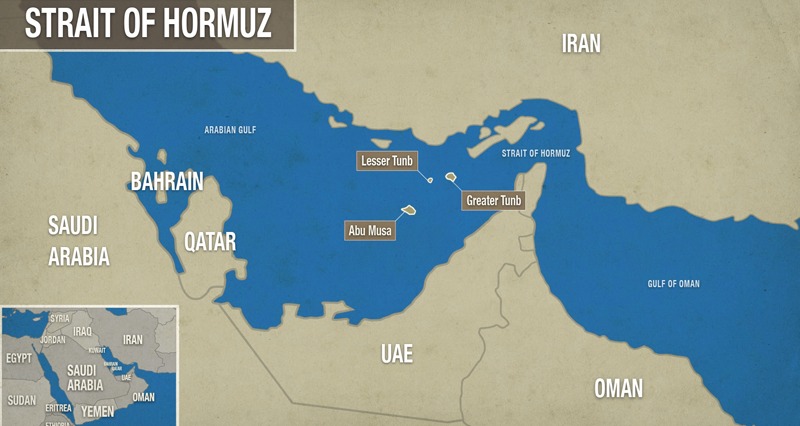
South Korea is facing significant challenges in deciding whether to participate in the Hormuz Coalition, which was called for by U.S. President Donald Trump. This situation arises as tensions in the region escalate due to Iran's closure of the Strait of Hormuz, negatively impacting fuel supplies, particularly for Asian countries that heavily rely on oil from the Middle East.
On March 14, Trump urged U.S. allies, including South Korea and Japan, to send ships to help reopen the strait. While Japan quickly responded and issued a joint statement with six other countries on March 19, South Korea was not among the signatories of this statement.
Details of the Event
South Korea's hesitation to join the coalition is reflected in its cautious stance, as it merely issued a subsequent statement condemning Iran's closure of the strait. While Japanese Prime Minister Suga Yoshihide met with Trump in Washington, emphasizing Tokyo's cooperation to achieve peace and stability in the Middle East, Seoul appeared more reserved.
Several factors contribute to South Korea's reluctance, the first being domestic political considerations. With local elections approaching in June, including the Seoul mayoral election, President Yoon Suk-yeol fears negative backlash if South Korea's participation in the coalition results in casualties.
Background & Context
Historically, South Korea has been a key ally of the United States; however, it has different strategic priorities compared to Japan. While Japan perceives a greater threat from China's maritime expansion, South Korea remains focused on threats from the North, where North Korea poses an existential danger.
This divergence in strategic priorities is reflected in Seoul's hesitation to engage in U.S. efforts to deter China, given its deep economic ties with Beijing. There are also concerns that any participation could escalate tensions on the Korean Peninsula.
Impact & Consequences
South Korea is facing increasing pressure from the United States to expand its security responsibilities, which requires it to participate in Washington's efforts to confront China. However, engaging in distant conflicts could weaken its ability to deter threats from the North.
Simultaneously, South Korea's development of independent military capabilities could lead to an arms race in the region, increasing instability. Additionally, the pursuit of developing nuclear-powered submarines could raise concerns in Beijing, complicating the security situation in the region further.
Regional Significance
Amid these developments, the Arab region remains significantly affected by tensions in the Strait of Hormuz, as this waterway is vital for oil supplies. Any escalation in the region could impact global oil prices, adversely affecting Arab economies that rely on oil exports.
In conclusion, South Korea must adopt a more cautious and innovative approach amid the increasing competition among major powers. Its decision regarding participation in the Hormuz Coalition will be a crucial test of its value as a U.S. ally.