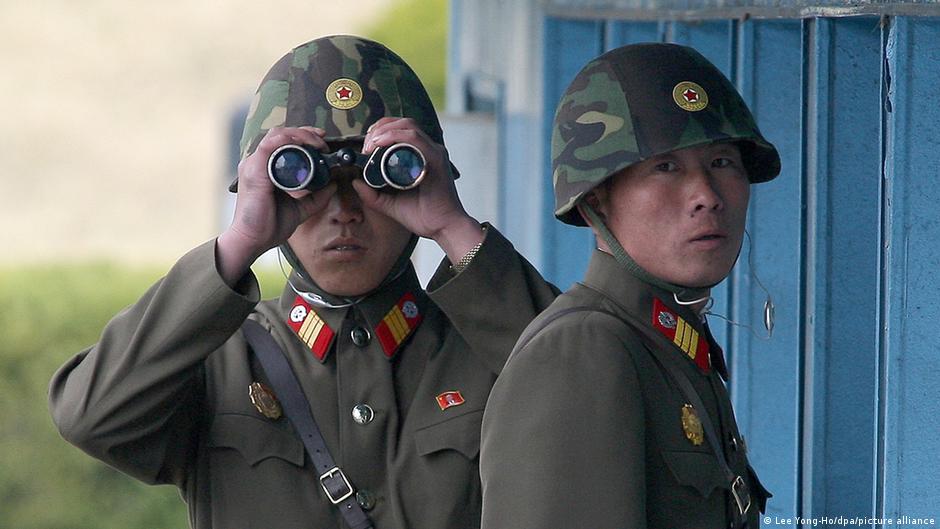
The South Korean government has requested the European Union to play a mediating role in discussions with North Korea, as part of its efforts to move past the prevailing state of 'distrust and hostility' between the two sides. This request was made by South Korean Minister of Unification Chung Dong-young during his meeting with a delegation from the European Parliament's Foreign Affairs Committee in Seoul last week.
The minister emphasized that the EU is an 'ideal mediator' due to its history of conflict resolution and regional integration. He also pointed out the importance of European support given the current circumstances on the Korean Peninsula.
Details of the Meeting
The meeting between the South Korean minister and the European delegation took place one day before French President Emmanuel Macron visited South Korea, where he discussed enhancing cooperation in defense, technology, and energy with South Korean President Lee Jae-myung.
Despite these initiatives, there appears to be little willingness from North Korea to engage with any diplomatic efforts, as analysts noted that any attempt to communicate with the regime of Kim Jong-un may be worthwhile, but optimism regarding the success of EU intervention remains limited.
Background & Context
Historically, relations between the two Koreas have experienced numerous fluctuations, with periods of intense tension followed by phases of openness. In recent years, tensions have escalated, particularly as North Korea continues to develop its nuclear program.
Additionally, relations between North Korea and Russia have shown a notable rapprochement, with Pyongyang providing military support to Moscow in the Ukrainian war, complicating the situation in the region further. At the same time, China is seeking to enhance its trade with North Korea, reflecting a decline in Western influence on this issue.
Impact & Consequences
Through these steps, South Korea is attempting to rebuild trust with the North, but it faces significant challenges. Previous experiences have shown that attempts at rapprochement often hit a wall of rejection from the North Korean regime, which views Seoul as 'the most hostile entity' towards it.
Many analysts believe that South Korea's efforts may be insufficient without strong support from major powers like the United States. Furthermore, the U.S. focus on domestic issues and other crises in the Middle East could negatively impact the potential for progress on this file.
Regional Significance
The interests of Arab countries are indirectly related to developments on the Korean Peninsula, as stability in this region can affect regional and global security. Any escalation in tensions could reflect on energy markets and global trade, impacting Arab nations that rely on these markets.
In conclusion, the greatest challenge facing South Korea remains convincing Pyongyang to respond to peace initiatives, whether with the help of the EU or without it. Achieving stability on the Korean Peninsula is crucial not only for the region but for the entire world.