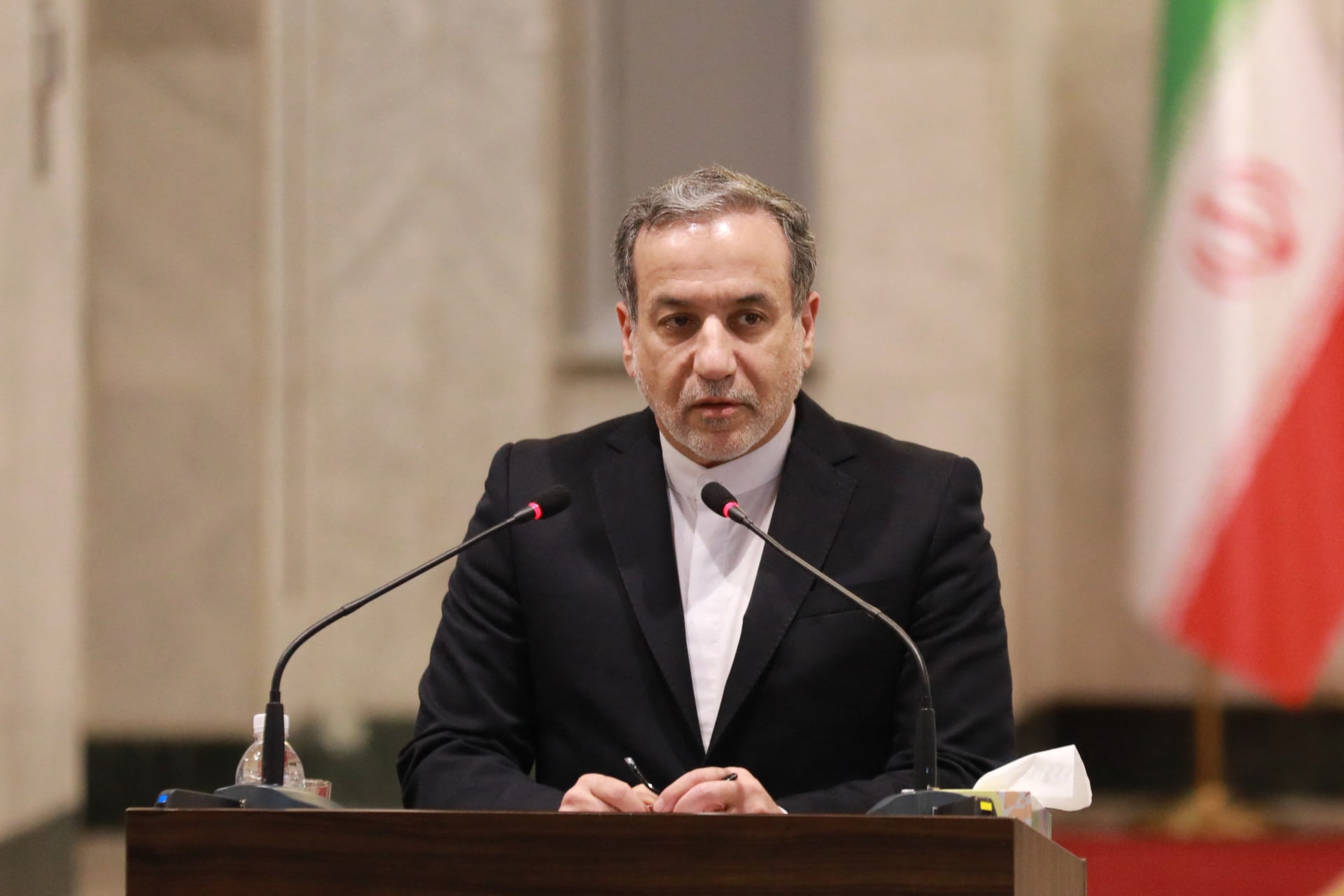
South Korean Foreign Minister Cho Hyun called on his Iranian counterpart to guarantee the safety of ships navigating the Strait of Hormuz during a meeting held on Monday. His ministry stated that this request arises from ongoing fears about the implications of regional conflicts on international trade.
It is important to note that the Strait of Hormuz is one of the most critical international shipping points, with about 20% of the world’s oil passing through it. The strait has witnessed escalating tensions in recent years due to ongoing conflicts in the region, which heightens the significance of the South Korean request.
Event Details
The South Korean minister emphasized that the current situation in the Middle East is alarming, indicating that armed conflicts negatively impact global economic stability. He also expressed deep concern for potential risks faced by commercial vessels transiting through the area, particularly amid the military escalations being observed in some neighboring countries.
This meeting is part of South Korea’s ongoing efforts to secure its economic interests in the region, as the country increasingly relies on importing oil and gas from producers in the Gulf.
Background & Context
Over the past few years, the Middle East has been a stage for rising political and military tensions, particularly with the escalating crises in countries such as Syria, Yemen, and Iraq. These conflicts have prompted military mobilizations in various areas, threatening the freedom of maritime navigation.
The Strait of Hormuz is a vital link between global markets and energy sources, having historically seen numerous provocations between Iran and global powers, necessitating international interventions to ensure safe navigation. The current tensions date back several years, marked by significant events such as the attacks on oil tankers in 2019, which resulted in major changes in the positions of active forces in the region.
Impact & Consequences
Any threat to the safety of commercial vessels in the Strait of Hormuz could have far-reaching implications for the economies of nations reliant on oil. An escalation or any military action could drive up global oil prices, which would, in turn, affect the economic markets of numerous countries, including South Korea.
Furthermore, these developments highlight the importance of international coordination to ensure the respect of maritime freedom in the Strait of Hormuz and to prevent conflicts that could plunge the region into a more complex quagmire than the existing disputes. Major powers need to combine their efforts to protect their economic interests, especially as vital commercial activities heavily depend on this region.
Regional Significance
The situation in the Strait of Hormuz directly affects the Arab states bordering it, such as Saudi Arabia, the UAE, and Oman. As these tensions rise, the importance of coordination among Arab countries becomes evident to secure shipping routes and protect common interests. Developing strategies to enhance navigation safety can foster cooperation among Arab nations and other Asian countries like South Korea.
Overall, this South Korean request from Iran serves as a call for many nations to exercise caution and ensure regional stability, contributing to the enhancement of the global economy.