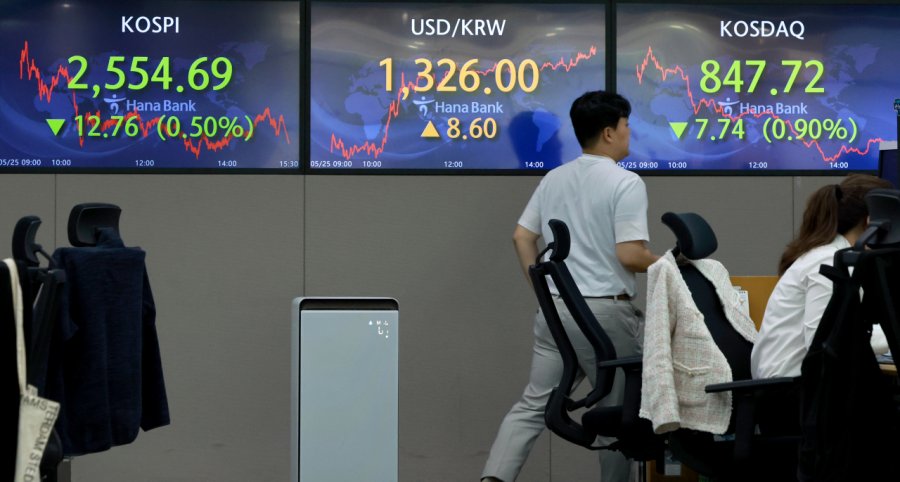
The South Korean stock market has undergone a significant transformation in its performance, having been regarded as one of the best-performing markets in the world during 2026. However, it has notably declined in March of the same year. This downturn is linked to the diminishing factors that contributed to the market's recovery, including lower energy prices and the growth of the semiconductor industry.
Throughout 2025, relatively low energy prices bolstered the Korean economy, leading to increased returns on shares of major companies, particularly those in semiconductor manufacturing. However, these factors have begun to fade rapidly, negatively impacting market performance.
Details of the Event
At the beginning of 2026, South Korea had achieved remarkable growth in its financial markets, with innovations in artificial intelligence enhancing returns for semiconductor manufacturers. Yet, as demand for these products decreased and energy costs rose, the market began to face new challenges. According to reports, Korean stocks have seen a sharp decline in value, raising concerns among investors.
The semiconductor industry in South Korea is considered one of the cornerstones of the economy, significantly contributing to the gross domestic product. However, global challenges such as rising raw material prices and shifts in demand in international markets may adversely affect this industry.
Background & Context
Historically, South Korea has been one of the fastest-growing economies in Asia, relying on innovation and technology as key drivers of its growth. Over the past few years, the country has experienced a boom in the technology sector, establishing itself as a global hub for electronics and semiconductor manufacturing. However, changes in the global market, such as increasing competition from other countries, could lead to fluctuations in economic performance.
In recent years, government policies supporting innovation have enhanced South Korea's position in the global market. However, with the decline of certain economic factors, the government may need to reassess its strategies to ensure sustainable growth.
Impact & Consequences
The decline in the performance of the South Korean stock market is indicative of the challenges that global markets may face amid economic changes. This downturn could have negative effects on investor confidence, which may reflect on both foreign and domestic investments.
Moreover, the market's poor performance could impact major companies in South Korea, potentially leading to job cuts and reduced investments in the future. This situation requires a swift response from both the government and the private sector to ensure economic stability.
Regional Significance
The financial markets in South Korea are part of the global economic system; thus, any fluctuations within them could affect Arab markets. For instance, changes in semiconductor prices may impact the technology industries in Arab countries that rely on these products.
Additionally, Arab investments in South Korea may be influenced by the market's downturn, prompting Arab investors to reassess their investment strategies in the region. Amid these challenges, there may be new opportunities for collaboration between Arab countries and South Korea in the fields of technology and innovation.