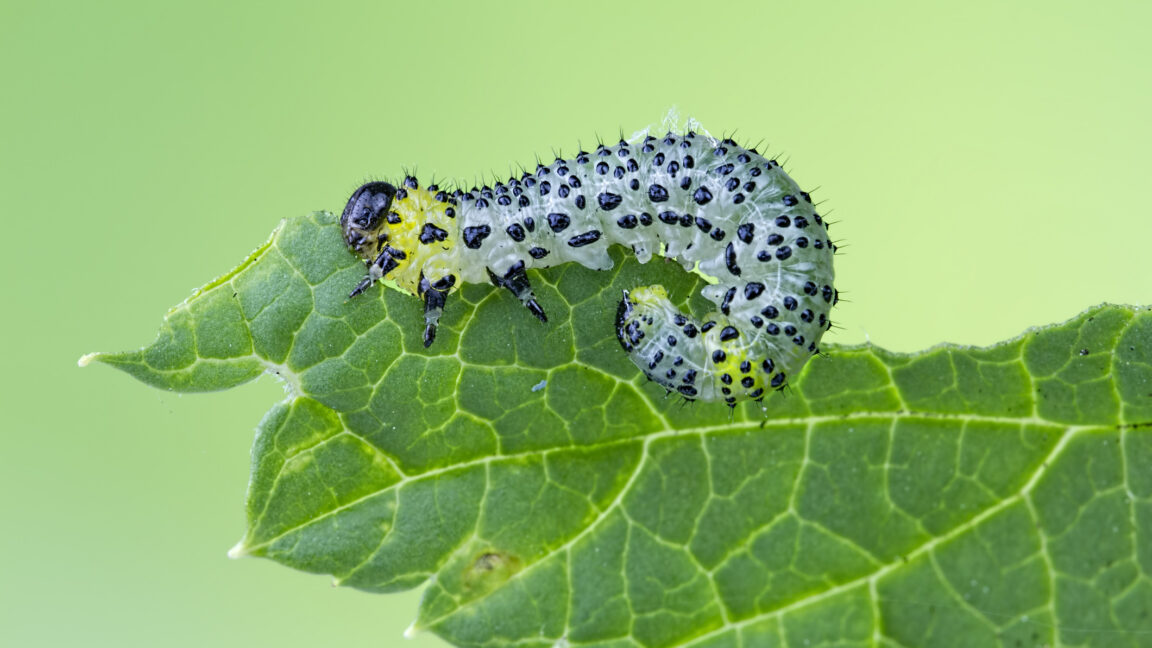
When soybean plants are threatened by caterpillar attacks, they secrete chemicals that attract parasitic wasps. This new discovery underscores how plants can respond to environmental threats in a complex and effective manner. Studies indicate that this defensive mechanism plays a crucial role in protecting crops from pests that threaten their productivity.
Parasitic wasps are considered natural allies of plants, as they attack caterpillars and lay their eggs inside them, ultimately leading to the caterpillars' demise. This mutualistic relationship between plants and insects reflects how ecosystems can work in harmony to maintain balance.
Event Details
Research has shown that soybean plants release specific chemicals when under attack, which leads to the attraction of parasitic wasps. These chemicals act as signals that alert the wasps to the presence of an easy prey. These studies were conducted in specialized laboratories, where the behavior of the wasps was monitored in response to these signals.
This phenomenon is part of the plants' response to environmental stress, as they react immediately to threats. This discovery opens new avenues for understanding how plants interact with their environment and how these mechanisms can be leveraged in sustainable agriculture.
Background & Context
Historically, plants were viewed as organisms incapable of movement or effective interaction with their surroundings. However, recent research has demonstrated that plants possess complex mechanisms for communication and defense. Interest in this field has spanned several decades, revealing that plants can sense threats and respond in various ways.
In recent years, there has been an increased focus on the importance of sustainable agriculture and the use of natural methods for pest control. This discovery regarding soybeans enhances scientific understanding of how agricultural production can be improved by fostering natural relationships between plants and insects.
Impact & Consequences
This discovery could significantly influence how agricultural crops are managed. By promoting the use of parasitic wasps as a means of pest control, reliance on harmful chemical pesticides can be reduced. This is not only beneficial for the environment but could also lead to improved crop quality and increased productivity.
Furthermore, understanding these defensive mechanisms can aid in the development of new agricultural techniques that rely on enhancing natural relationships between living organisms. This could have a positive impact on global food security.
Regional Significance
In the Arab region, agriculture is a vital sector that many countries depend on. With the challenges facing agriculture due to climate change and pests, employing natural methods such as parasitic wasps could be an effective solution. This discovery could contribute to improving agricultural productivity in Arab countries, enhancing food security and reducing reliance on chemical methods.
In conclusion, this discovery represents an important step towards a deeper understanding of environmental relationships and how to exploit them for sustainable agriculture. Strengthening these relationships could open new horizons for agriculture in the Arab region and beyond.