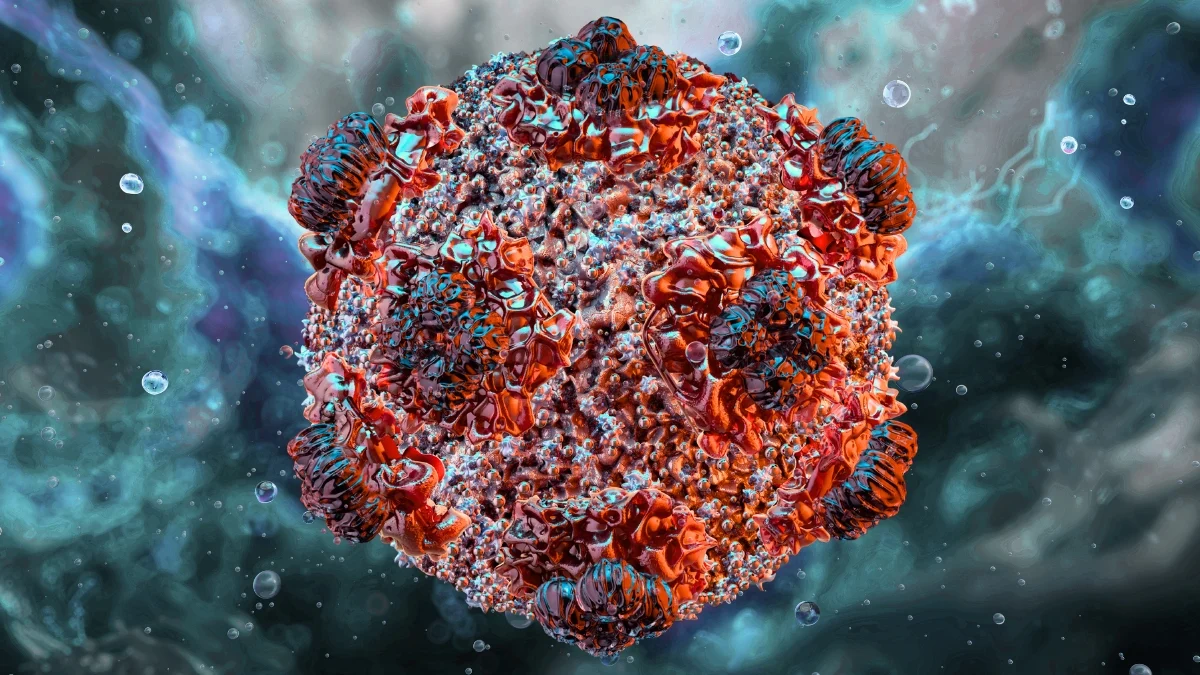
Efforts are intensifying in Spain and the World Health Organization to combat the Hanta virus, with new cases of the 'Andes' strain reported in the country. This virus is classified as a rodent-borne infectious disease, raising concerns due to its high associated mortality rate, making it imperative to implement swift and effective measures to curb its spread.
Reports indicate that the virus can cause severe symptoms, including fever, muscle aches, and difficulty breathing, necessitating close monitoring of new cases. In response, health authorities have announced infections in various regions, prompting a public awareness campaign on how to prevent transmission.
Details of the Response
The response to the virus includes enhancing health screenings in at-risk areas and disseminating educational information on avoiding contact with rodents. Efforts have also been intensified to identify potential sources of infection, as the virus is believed to spread primarily through contact with rodent droppings or inhalation of contaminated particles.
In this context, the World Health Organization has emphasized the importance of international cooperation in addressing global health threats, noting that viruses like Hanta require a rapid and effective response from all countries. The organization has also called for increased scientific research to better understand the virus and its transmission methods.
Background & Context
The Hanta virus is not new, having been first discovered in the United States in the 1980s. However, the recently emerged 'Andes' strain is considered more dangerous, with studies showing that the mortality rate can reach as high as 50% in some cases. This situation necessitates that countries implement stringent preventive measures, especially in areas experiencing rodent infestations.
Historically, many countries have experienced outbreaks of the Hanta virus, leading to the implementation of emergency health measures. With the rise in cases in Spain, the current situation serves as a reminder of the importance of preparedness in facing pandemics and health threats.
Impact & Consequences
The increase in Hanta virus cases could place significant pressure on Spain's healthcare system, requiring additional resources to address this threat. Furthermore, the virus may impact tourism and the local economy, as tourists might avoid visiting affected areas.
Moreover, the spread of the virus can lead to heightened awareness regarding the importance of public health and infectious disease prevention. This could contribute to strengthening global efforts to combat pandemics and improve health responses in the future.
Regional Significance
The emergence of the Hanta virus in Spain highlights the interconnectedness of health issues across borders. As countries share ecosystems and trade, the potential for disease spread increases, necessitating a collaborative approach to health security.
In conclusion, the ongoing situation with the Hanta virus underscores the critical need for vigilance and preparedness in public health. Countries must remain proactive in monitoring and responding to emerging infectious diseases to safeguard their populations.