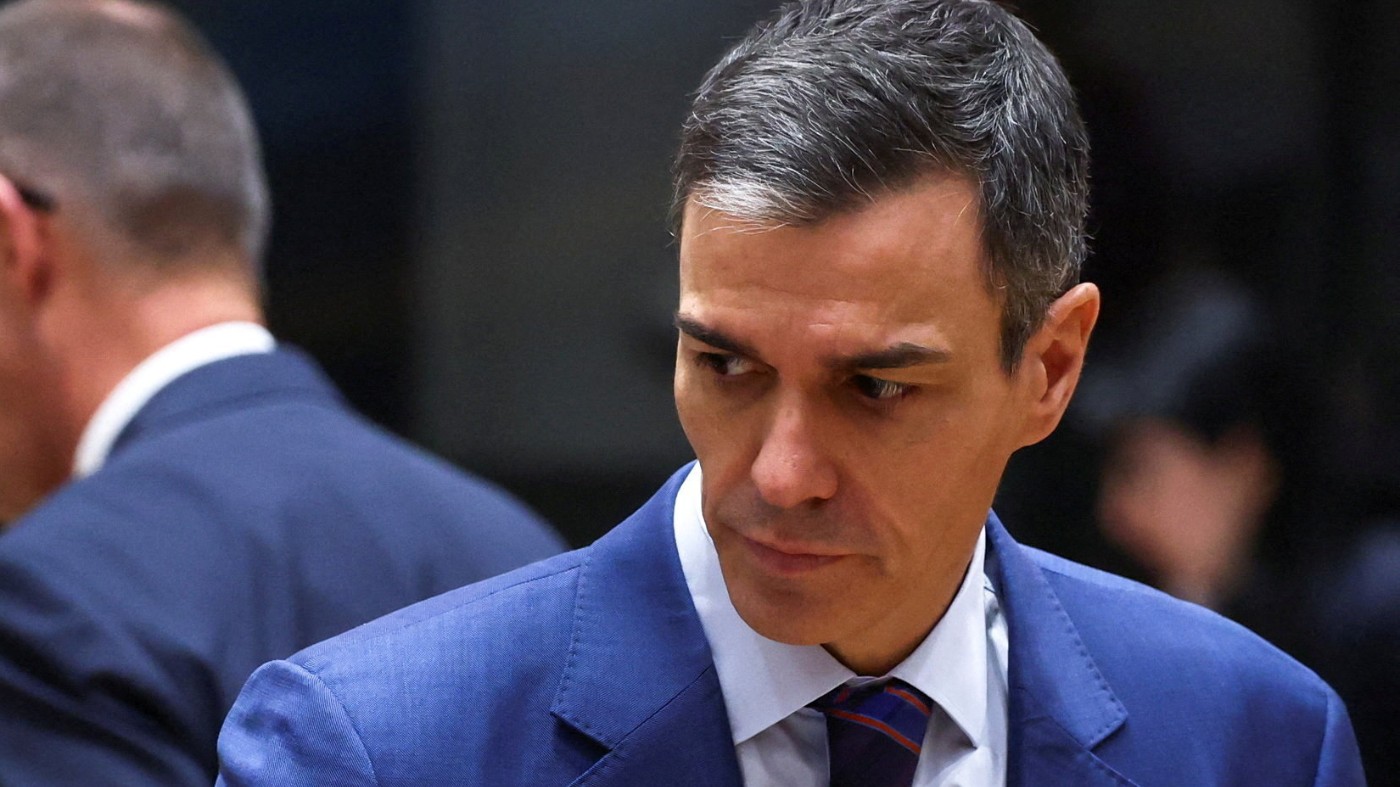
On March 4, 2026, just days after the United States and Israel launched attacks on Iran, Spanish Prime Minister Pedro Sánchez made his government's position clear: "No to war." While reactions from other European leaders were characterized by hesitation, Sánchez's stance emerged as a clear cry reflecting a painful memory in Spain's modern history.
Sánchez, who based his speech on memories of the Iraq war in 2003, stated: "We have been here before," pointing out that Spain experienced the repercussions of the American war in Iraq, which still influences Spanish public opinion towards military interventions.
Details of the Event
The war on Iran has begun to raise significant concerns in Spain, with polls showing that more than two-thirds of Spaniards oppose American and Israeli military intervention. Sánchez has taken concrete steps to support his position, including closing Spanish airspace to American military aircraft involved in the attacks on Iran and refusing to allow the use of Spanish military bases for this purpose.
This strong stance has provoked anger from American President Donald Trump, who threatened to cut all trade relations with Spain, stating that the Spanish leadership "is not good." However, Sánchez's position seems to be gaining increasing support in Europe, with countries like Italy and Britain expressing similar views.
Background & Context
Historically, Spain suffered from the repercussions of the Iraq war, as the Spanish government at the time, led by José María Aznar, supported the American invasion, leading to widespread protests. In 2003, over 660,000 people took to the streets of Madrid to protest this decision, making it one of the largest demonstrations in modern Spanish history.
After the terrorist attacks that occurred in Madrid in 2004, which were attributed to a reaction to Spain's involvement in Iraq and Afghanistan, the political balance of power in the country shifted, resulting in the ousting of Aznar's government in the subsequent elections.
Impact & Consequences
Current polls indicate that the majority of Spaniards believe that the war in Iraq made Europe less safe. Sánchez emphasized in his speech that the Iraq war led to "the largest wave of insecurity the continent has seen since the fall of the Berlin Wall." These sentiments reflect a growing public awareness of the consequences of foreign wars on domestic security.
At the same time, Sánchez faces internal political pressures, as opposition parties seek to exploit the situation for their advantage. With general elections approaching next year, his stance on the war in Iran could significantly impact the election results.
Regional Significance
The implications of Spain's stance on the war in Iran extend beyond its borders, reflecting broader concerns in the Arab world regarding Western military interventions. The collective memory of the wars in Iraq and Afghanistan remains present, heightening feelings of rejection towards military interventions that lack popular support.
Ultimately, Sánchez's position on the war in Iran may serve as a true test of his leadership, as he seeks to align Spanish foreign policy with the desires of the Spanish people, potentially bolstering his political standing domestically.