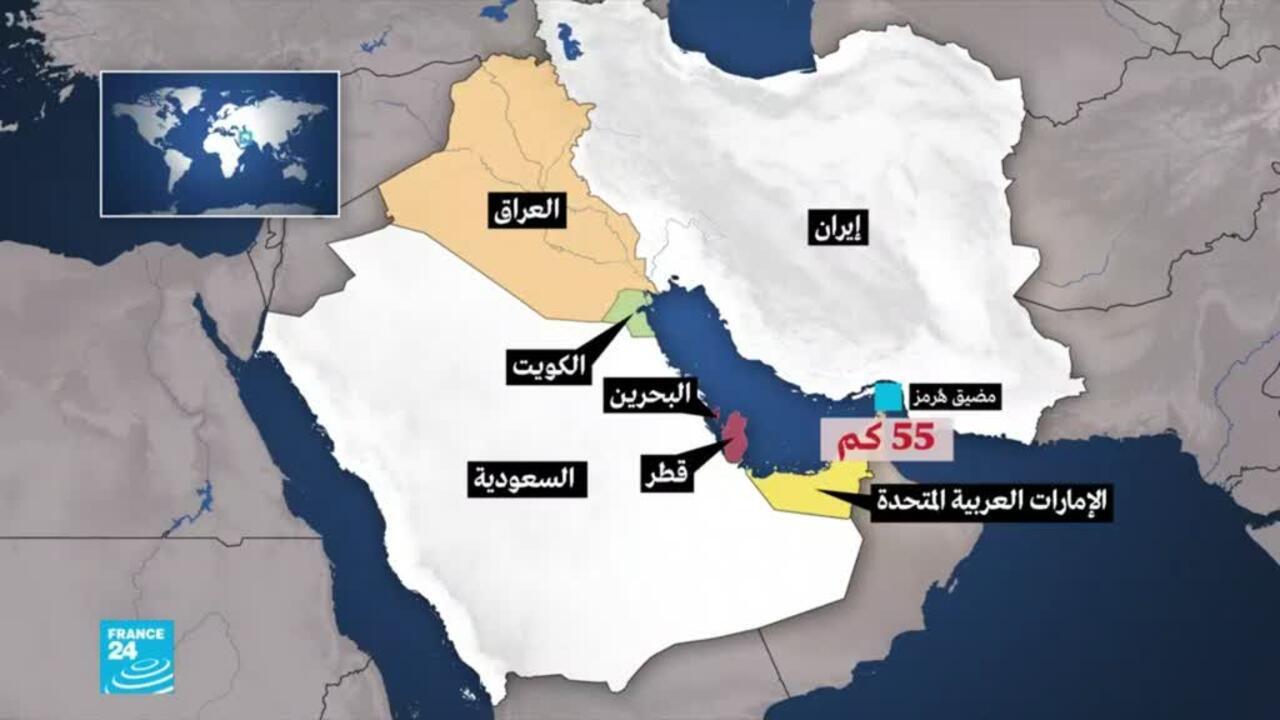
In his recent statements, Spanish Prime Minister Pedro Sánchez called for the necessity of opening the Strait of Hormuz, while underscoring the significance of preserving all energy sites in the Middle East. These remarks were made amidst ongoing political and military developments in the region, without directly mentioning Iran or the United States, yet reflecting the global dimensions of the existing conflict and its potential impacts on energy supply and demand.
In a tweet on the social media platform "X", Sánchez noted that the world stands at a "global turning point", highlighting that any further escalation in tensions could lead to a long-term energy crisis affecting humanity as a whole. He clarified that the world should not bear the consequences of ongoing wars, in a clear allusion to the risks associated with the geopolitical situation in the Gulf region.
The Strait of Hormuz is a pivotal point in global oil shipping routes, through which approximately 20% of the world's oil passes. Thus, any disruption or tension in the Strait of Hormuz could destabilize global markets and lead to rising oil prices, consequently impacting global economies.
Historically, the Middle East has suffered from continuous conflicts that have had profound repercussions on global energy markets. The past decades have seen several crises, such as the 1973 oil crisis and the subsequent tensions in the Gulf, and these events continue to cast shadows over the current political landscape. The escalation of tensions among major and regional powers complicates the situation further, presenting significant challenges to energy-consuming countries.
Sánchez's call is part of broader international efforts to address the ramifications of crises in the Middle East, where warnings include calls for opening channels for diplomatic dialogue. Several European countries, including Spain, have emphasized the importance of regional stability and the continued unrestricted flow of energy.
Within this dynamic, the need for regional and international cooperation may increase, as sustaining energy security requires a collective readiness to tackle new challenges. In this regard, solutions such as opening the Strait of Hormuz and maintaining energy sites are essential to ensure that the entire world is not adversely affected by local conflicts.
It is worth noting that the energy crisis is not new; however, current circumstances bring it to the forefront of attention. Factors such as oil supply shortages, political tensions, and escalating conflicts all intertwine to form a complex picture of the global energy future. Leaders around the world face a dual challenge of stabilizing energy markets while maintaining regional security.
The Spanish stance reflects the importance of forming a collective response to energy challenges, which may be among the priorities of the upcoming climate summit, where discussions are expected to focus on enhancing international cooperation in renewable energy and reducing reliance on traditional oil. Given the historical and cultural ties between Arab countries and Spain, these calls coincide with broader Arab efforts towards achieving energy sustainability.
Thus, the current crisis represents an opportunity to renew dialogue and bolster cooperation among nations that view energy as a central focus of their political and economic strategies.