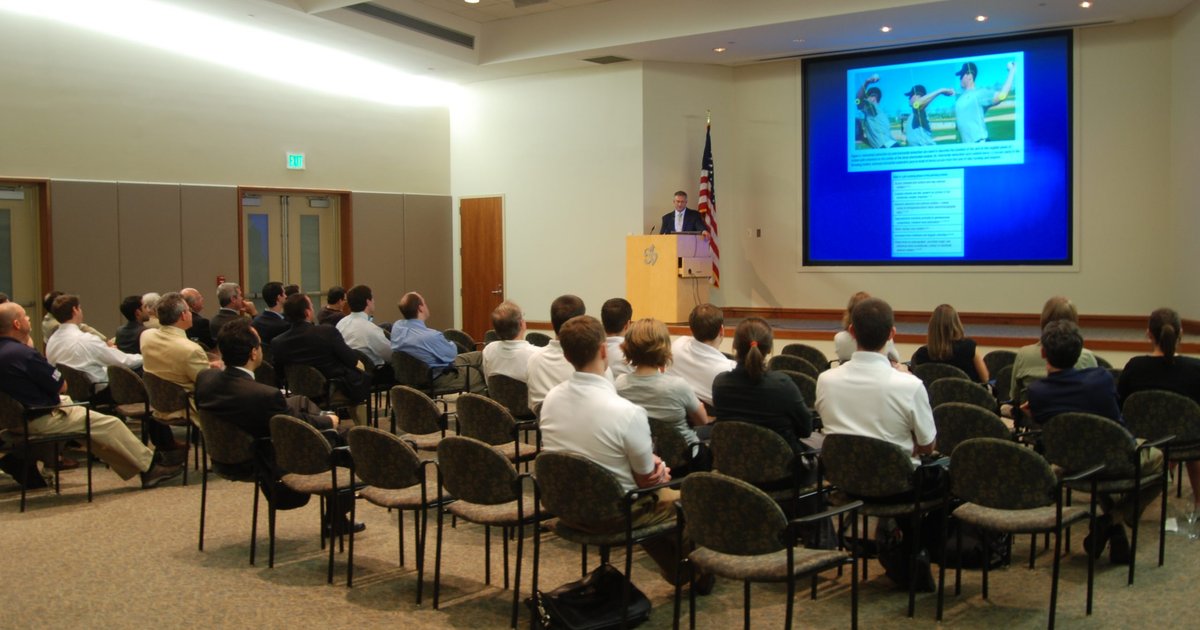
The Egyptian Medical Syndicate organized a seminar titled 'Sports Medicine: Between Practice and Reality', highlighting the challenges facing this specialty in Egypt. The seminar saw participation from several doctors and experts in the sports field, who discussed the importance of sports medicine and its role in enhancing athletic performance and preventing injuries.
This seminar comes at a time when interest in sports medicine is increasing, particularly with the rise in the number of professional and amateur athletes in Egypt. Various topics were addressed during the seminar, including how to integrate sports medicine into athletic training, the importance of regular medical check-ups for athletes, and best practices for treating sports injuries.
Event Details
The seminar was held at the headquarters of the Egyptian Medical Syndicate, where a series of lectures and workshops covered various aspects of sports medicine. Participants emphasized the need to enhance cooperation between doctors and sports coaches to achieve the best results. Successful experiences from other countries in the field of sports medicine were also reviewed, along with how these can be beneficial in Egypt.
Moreover, the importance of raising awareness about sports medicine in schools and universities was highlighted, as this could contribute to building a new generation of athletes who are conscious of their physical health.
Background & Context
Sports medicine is an important specialty in the world of sports, focusing on the prevention, diagnosis, and treatment of sports injuries. With the increasing number of athletes in Egypt, it has become essential to develop this specialty to ensure the health of athletes and their performance. In recent years, there has been a rise in the number of local and international sporting events, increasing the demand for specialized doctors in this field.
Historically, sports medicine in Egypt has suffered from a lack of specialization and resources, but with the growing awareness of the importance of physical health, efforts have increased to develop this field. Seminars and conferences have contributed to spreading knowledge and enhancing cooperation between doctors and coaches.
Impact & Consequences
This seminar underscores the importance of sports medicine in enhancing athletic performance and reducing injuries. It also highlights the need to develop specialized training programs for doctors in this field. These efforts are expected to improve the level of Egyptian athletes across various sports.
Furthermore, enhancing sports medicine can contribute to raising health awareness in the community, leading to improved public health and a reduction in diseases associated with unhealthy lifestyles.
Regional Significance
Egypt is one of the leading countries in the field of sports in the Arab region, and thus the development of sports medicine there can serve as a model for other countries. Successful experiences in Egypt can foster regional cooperation and knowledge exchange among Arab nations.
Additionally, enhancing sports medicine in Egypt could lead to improved sports competition in the region, contributing to raising the overall standard of Arab sports.
In conclusion, this seminar represents an important step towards promoting sports medicine in Egypt, opening new horizons for improving athletes' health and performance.