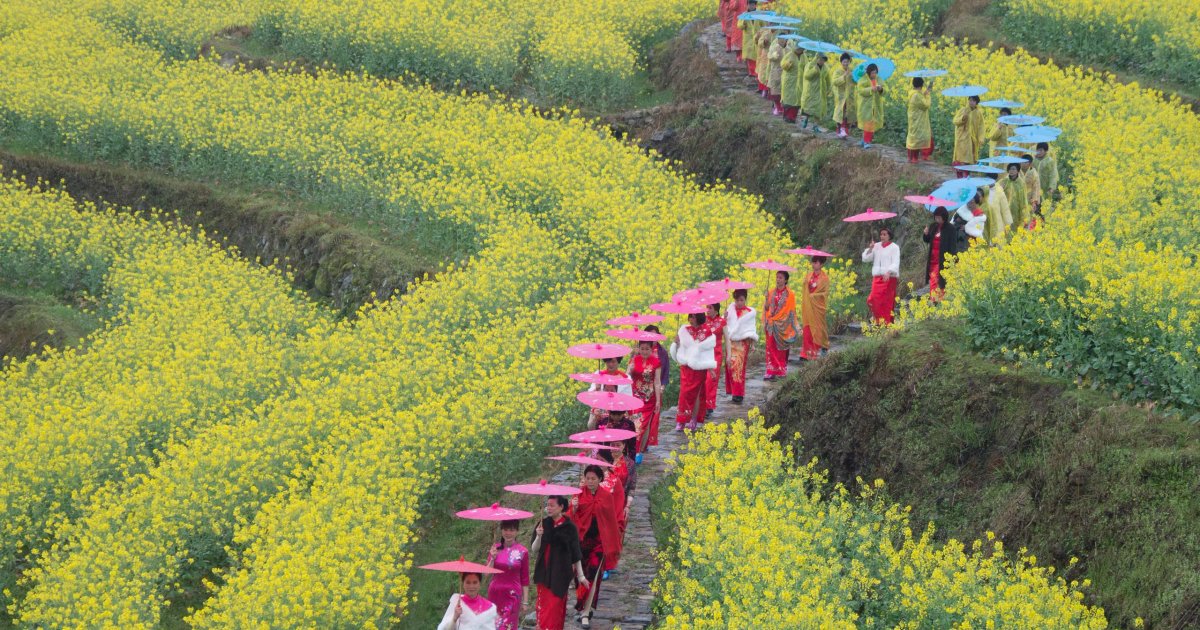
Spring flowers are blooming throughout China, creating a captivating natural scene that attracts both tourists and locals to enjoy the spring atmosphere. With the onset of this season, outdoor activities increase as people flock to parks and gardens to appreciate the beauty of diverse flowers.
This phenomenon is an integral part of Chinese culture, where people celebrate the blooming flowers by organizing events and festivals that highlight the beauty of nature and the country’s history. Visitors from various regions converge to witness the flowers, contributing to the enhancement of local tourism.
Event Details
Major cities such as Beijing, Shanghai, and Kunming experience flower blooming early each year, with a variety of flowers including cherry blossoms and lotus. The flower gardens in these cities are key destinations for tourists, where special guided tours are organized to explore these areas. Cultural events are also held, featuring musical performances and traditional dances, adding a festive atmosphere to the experience.
This period is an ideal opportunity for families and friends to gather and enjoy nature. Many photographers are keen to capture images of the flowers at their peak, which helps spread the beauty of these moments across social media.
Background & Context
Historically, spring is a time of celebration in Chinese culture, linked to ancient traditions that date back thousands of years. The Spring Festival, also known as the Chinese New Year, is one of the most significant celebrations in the country. In this context, the blooming flowers symbolize renewal and hope, reflecting the positive spirit of the Chinese people.
This phenomenon enhances the importance of tourism in China, as the country is considered one of the most attractive tourist destinations in the world. With the increasing number of international tourists, the Chinese government aims to develop tourism infrastructure and promote cultural events to attract more visitors.
Impact & Consequences
The blooming of spring flowers in China is not merely a natural event; it has significant economic and social impacts. This season contributes to boosting the local economy by increasing the number of visitors, which leads to higher demand for services such as accommodation, dining, and transportation. It also enhances cultural awareness among visitors, as they learn about Chinese customs and traditions.
Moreover, this event serves as an opportunity to strengthen cultural relations between China and other countries, allowing international visitors to enjoy the unique cultural experiences the country offers. It fosters cultural exchange, contributing to building bridges of understanding between peoples.
Regional Significance
Considering Arab tourism, the spring experience in China can be seen as a model to emulate. With the growing interest among Arabs in cultural and nature tourism, Chinese experiences could inspire the development of tourism events in Arab countries. Arab nations can benefit from these experiences to enhance both domestic and international tourism, contributing to the strengthening of the local economy.
In conclusion, the blooming of spring flowers in China represents the beauty of nature and culture, reflecting the importance of tourism in strengthening ties between peoples. As this tradition continues, spring remains a symbol of hope and renewal in everyone's hearts.