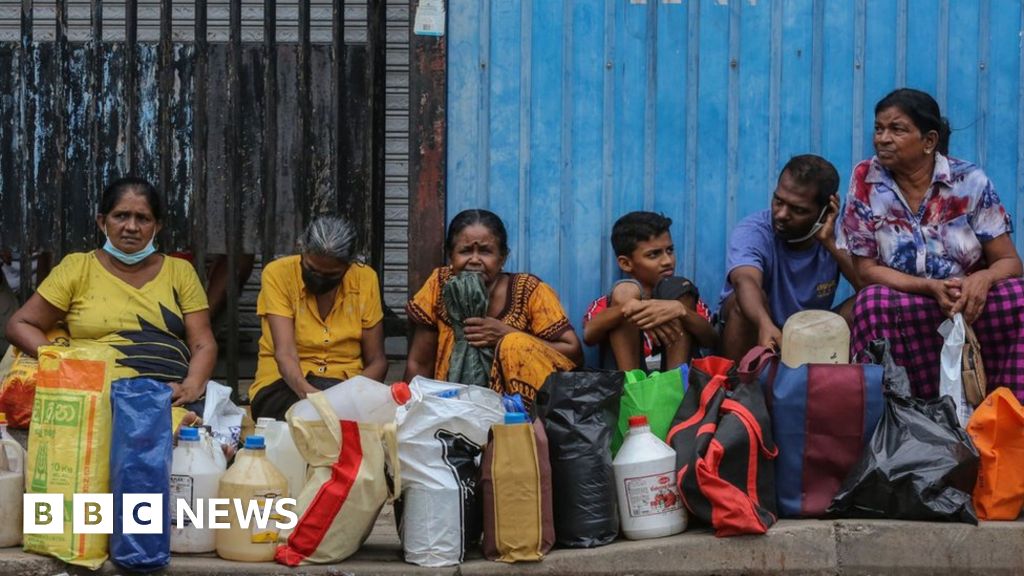
Sri Lanka is facing significant economic challenges amid the ongoing war in the Middle East, as President Anura Kumara Dissanayake seeks to avoid a repeat of the economic collapse the country experienced four years ago. Since the onset of the conflict, the government has taken stringent measures such as fuel rationing and raising prices by 33%, in addition to increasing electricity costs by up to 40%.
The memories of the 2022 crisis are fresh, when the Sri Lankan economy collapsed, and inflation soared to 70% after the government announced its inability to service its external debts estimated at $46 billion. This crisis led to widespread protests that resulted in the ousting of former President Gotabaya Rajapaksa, who was accused of mismanagement and corruption.
Details of the Current Situation
The Sri Lankan government has announced fuel rationing in an attempt to mitigate the escalating crises, leading to panic among citizens who rushed to purchase fuel, reminiscent of the chaotic scenes the country previously endured. Under these circumstances, the Socialist Front Party, which led the protests against Rajapaksa, warned that Dissanayake's administration may face a political explosion in the near future.
In a statement to AFP, party political bureau member Duminda Nagamuwa said, "The response to this economic crisis will come politically," indicating that the government's mandate still absorbs the economic shock without a political explosion so far.
Background & Context
Sri Lanka, which has suffered the worst economic crisis in its modern history, is still recovering from the impacts of cyclone Dittoah, which struck the country last November, resulting in the deaths of 641 people and causing damages estimated at $4.1 billion, according to the World Bank. In December, the government announced plans to spend 500 billion rupees (approximately $1.6 billion) to support recovery efforts, including rebuilding damaged homes and infrastructure.
Sri Lanka also received $206 million from the International Monetary Fund last December to help it cope with the aftermath of the disaster, with IMF delegations currently in the country reviewing a $2.9 billion bailout loan.
Impact & Consequences
Concerns are growing that the deteriorating economic conditions may lead to a resurgence of protests, although analysts believe that the public is currently preoccupied with securing their daily needs. Human rights advocates have pointed out that authorities may use emergency laws to undermine any potential popular protests, raising concerns about the erosion of civil rights in the country.
At the same time, the government appears to be trying to control the situation by imposing restrictions on water supplies, reflecting the magnitude of the crisis the country is facing. Analysts have noted that these measures could exacerbate the social and political conditions in Sri Lanka.
Regional Significance
The economic crisis in Sri Lanka serves as an example of how regional conflicts impact fragile economies around the world. As many Arab countries face similar economic challenges, the events in Sri Lanka may provide a lesson on the importance of political and economic stability. Moreover, crises in the Middle East could affect energy prices and essential goods, negatively impacting Arab nations that rely on imports.
In conclusion, Sri Lanka continues to face significant economic challenges, and the government must take decisive steps to avoid a complete collapse. The current situation highlights the importance of political and economic stability in the face of global crises.