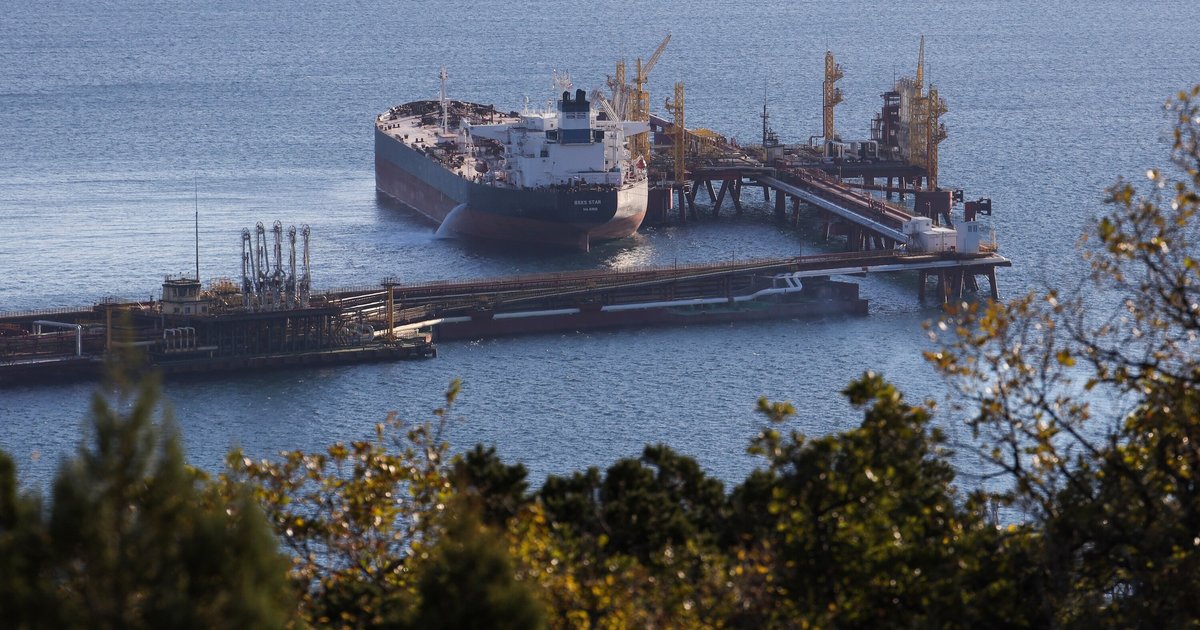
Sri Lanka's state-owned oil company is currently negotiating with Russian oil companies to import petroleum products due to the effects of the ongoing conflict in the Middle East on oil flows and rising prices. This step is being taken at a time when buyers are looking for alternative shipments.
Sri Lanka, which is grappling with a severe economic crisis, faces significant challenges in securing its energy needs. The disruptions in the global market caused by armed conflicts have led to increased prices and reduced oil flows, prompting the Sri Lankan government to explore new options to meet its fuel requirements.
Details of the Negotiations
Reports indicate that Sri Lanka's oil company has already begun reaching out to several Russian firms, seeking competitive terms for importing oil and petroleum products. These negotiations are taking place at a sensitive time, as pressures are mounting on the Sri Lankan government to provide affordable fuel to its citizens.
In light of the ongoing war in the Middle East, which significantly impacts global oil supplies, many countries are looking for alternative sources. Sri Lanka is not alone in this trend, as global markets are witnessing an increased demand for Russian oil from other nations facing similar pressures.
Background & Context
Historically, Sri Lanka has heavily relied on oil imports from Middle Eastern countries, particularly Saudi Arabia and the UAE. However, the current geopolitical tensions have prompted a reassessment of these relationships. Additionally, the economic crisis that Sri Lanka is experiencing, exacerbated by the COVID-19 pandemic, has led the government to seek more sustainable options.
The negotiations with Russia come at a time when international pressure on Moscow is increasing due to the war in Ukraine, resulting in sanctions on many Russian companies. Nevertheless, some countries, like Sri Lanka, view Russia as a potential source of oil at competitive prices.
Impact & Consequences
If Sri Lanka successfully concludes these negotiations, it could lead to a radical shift in the country's energy strategy. Importing Russian oil could help alleviate the economic pressures on the government, allowing it to provide fuel at reasonable prices for its citizens. However, this decision may provoke negative reactions from Western countries that have imposed sanctions on Russia.
Furthermore, this shift could open doors for further cooperation between Sri Lanka and Russia in other areas, such as trade and investment. However, the Sri Lankan government must tread carefully in managing these new relationships, especially amid current geopolitical tensions.
Regional Significance
These developments signal significant changes in the global energy market, as countries strive to diversify their sources and reduce dependence on traditional oil. For Arab nations, these changes may lead to a reevaluation of their oil export strategies, particularly in light of increasing competition from other countries.
In conclusion, these events reflect the challenges faced by nations amid global crises and highlight the importance of seeking alternative solutions to ensure the stability of energy markets.