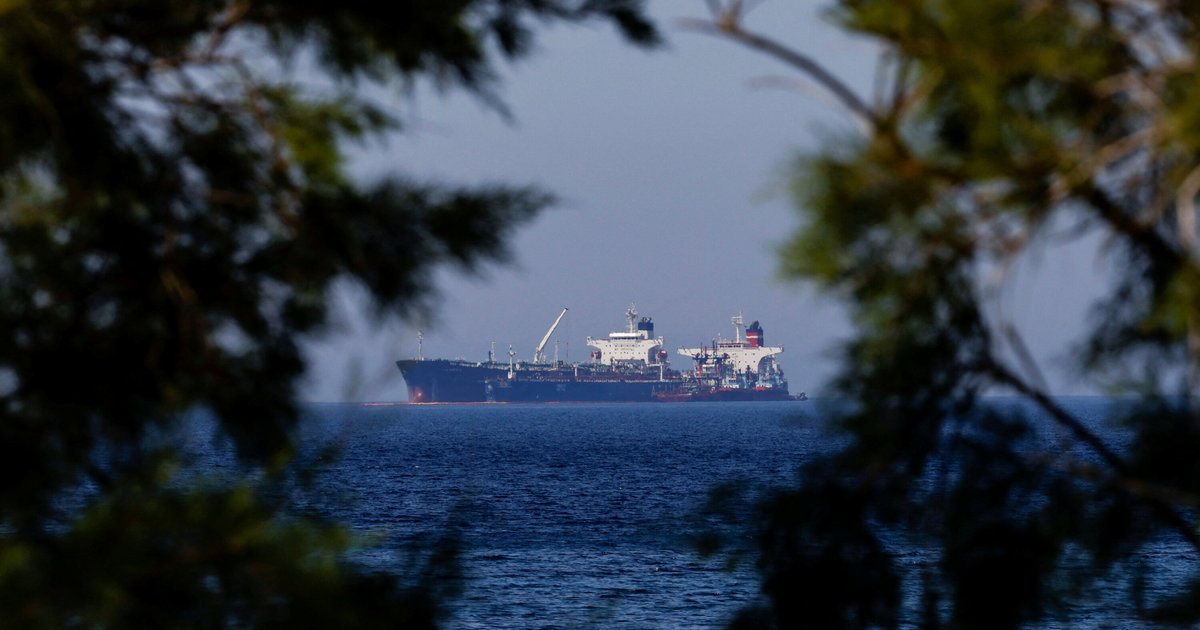
Oil prices stabilized today, while most Asian stocks recorded a noticeable decline, amid mixed signals regarding the situation in Iran. These developments come at a sensitive time, as global markets await any updates related to Iranian nuclear negotiations and their potential impact on oil supplies.
In Asian markets, stock indices generally declined, as sentiment was negatively affected by conflicting reports regarding the nuclear negotiations. These reports have raised concerns among investors about the possibility of sudden changes in Iranian policies, which could impact market stability.
Details of the Event
Oil prices have seen relative stability, with Brent crude trading at levels close to $90 per barrel, while West Texas Intermediate crude fell to around $85. This stability comes after weeks of sharp price fluctuations, which were the result of geopolitical tensions and changes in global demand.
At the same time, the Japanese Nikkei index fell by 1.2%, while stocks in China and South Korea also declined. These decreases reflect a cautious mood among investors, who are closely monitoring any new developments in the Iranian nuclear negotiations.
Background & Context
Historically, Iran has been a key player in the global oil market, possessing vast reserves of oil and gas. However, international sanctions imposed on Iran due to its nuclear program have significantly affected its ability to export oil. In recent years, Iran has sought to improve its relations with the West, leading to negotiations regarding its nuclear program.
These negotiations are crucial, as they could lead to the easing of sanctions, enabling Iran to increase its oil exports. However, any delay or failure in these negotiations could result in further market tensions.
Impact & Consequences
Recent developments in Iran could significantly affect oil prices and global financial markets. If an agreement is reached, oil prices are likely to decrease as supplies from Iran increase. On the other hand, if negotiations remain stalled, prices may rise due to concerns about supply shortages.
Moreover, the decline in Asian stocks reflects a state of uncertainty in the markets, as investors turn towards safer assets. This trend could impact economic growth in the region, especially given the challenges facing many Asian economies.
Regional Significance
For the Arab region, any changes in oil prices directly affect the economies of producing countries. Gulf states, which heavily rely on oil revenues, may face challenges if prices decline. Additionally, stability in the oil market is vital for achieving sustainable development in these countries.
In conclusion, markets remain on alert as investors look for any new signals from Iran that could affect oil prices and global markets. The stability or volatility of prices will remain closely linked to political and economic developments in the region.