US Treasury yields stabilized on Monday, with investors waiting for President Donald Trump's anticipated speech regarding the war in Iran and important inflation data set to be released this week.
The yield on the 10-year Treasury rose by less than one basis point to reach 4.3525%, while the yield on the 2-year Treasury also increased by less than a basis point to 3.856%. Meanwhile, the yield on the 30-year Treasury rose by one basis point to 4.918%.
Details of the Event
On Sunday, Trump issued a strong threat to Iran, pledging to turn the country into a "hell" if it did not fully reopen the Strait of Hormuz by Tuesday. However, Trump expressed hope in an interview with Fox News that an agreement could be reached with Tehran by Monday.
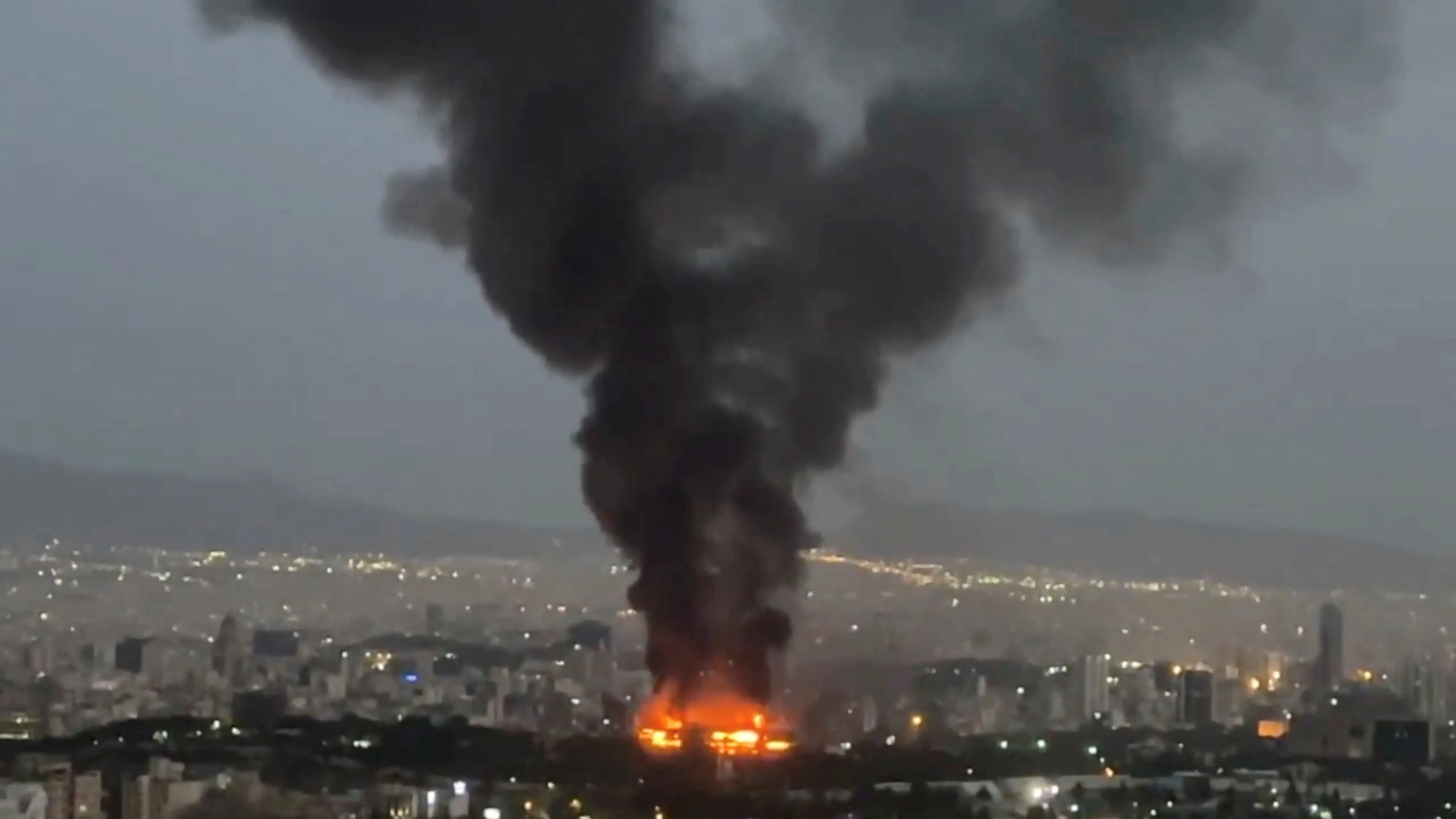
In response, Iran rejected the recent threats, stating that the reopening of the vital waterway would only occur after compensation for damages incurred from the war. Iran has continued to carry out strikes across the Gulf, including targeting oil facilities in Kuwait.
Background & Context
The war in the Middle East, which has entered its sixth week, has led to a significant rise in energy prices, prompting bond investors to reassess their inflation expectations. This has resulted in reduced forecasts for interest rate cuts by the U.S. Federal Reserve this year.
Since the beginning of the conflict, the yield on the 10-year Treasury has increased by approximately 36 basis points, having been at 3.962% before the conflict began, bringing it close to its highest levels since mid-2025.
Impact & Consequences
Oriana Liza, a trader at CMC Markets in Singapore, noted that bonds have seen a decline alongside stocks, indicating a state of stagflation rather than traditional recession. He warned of increased market volatility as the Tuesday deadline approaches.
A formal agreement could lead to a decrease in crude oil prices by between $20 to $30, and boost the S&P 500 index by as much as 5%. Conversely, any strike on infrastructure could push oil prices into the range of $130 to $150 per barrel.
Regional Significance
Arab countries are significantly affected by tensions in the Gulf region, with Iran being a key player in political and economic equations. Any escalation in the conflict could have negative repercussions on the economies of neighboring countries, particularly in the energy and trade sectors.
In conclusion, financial markets remain under pressure from geopolitical tensions, necessitating caution from investors in their decision-making processes.