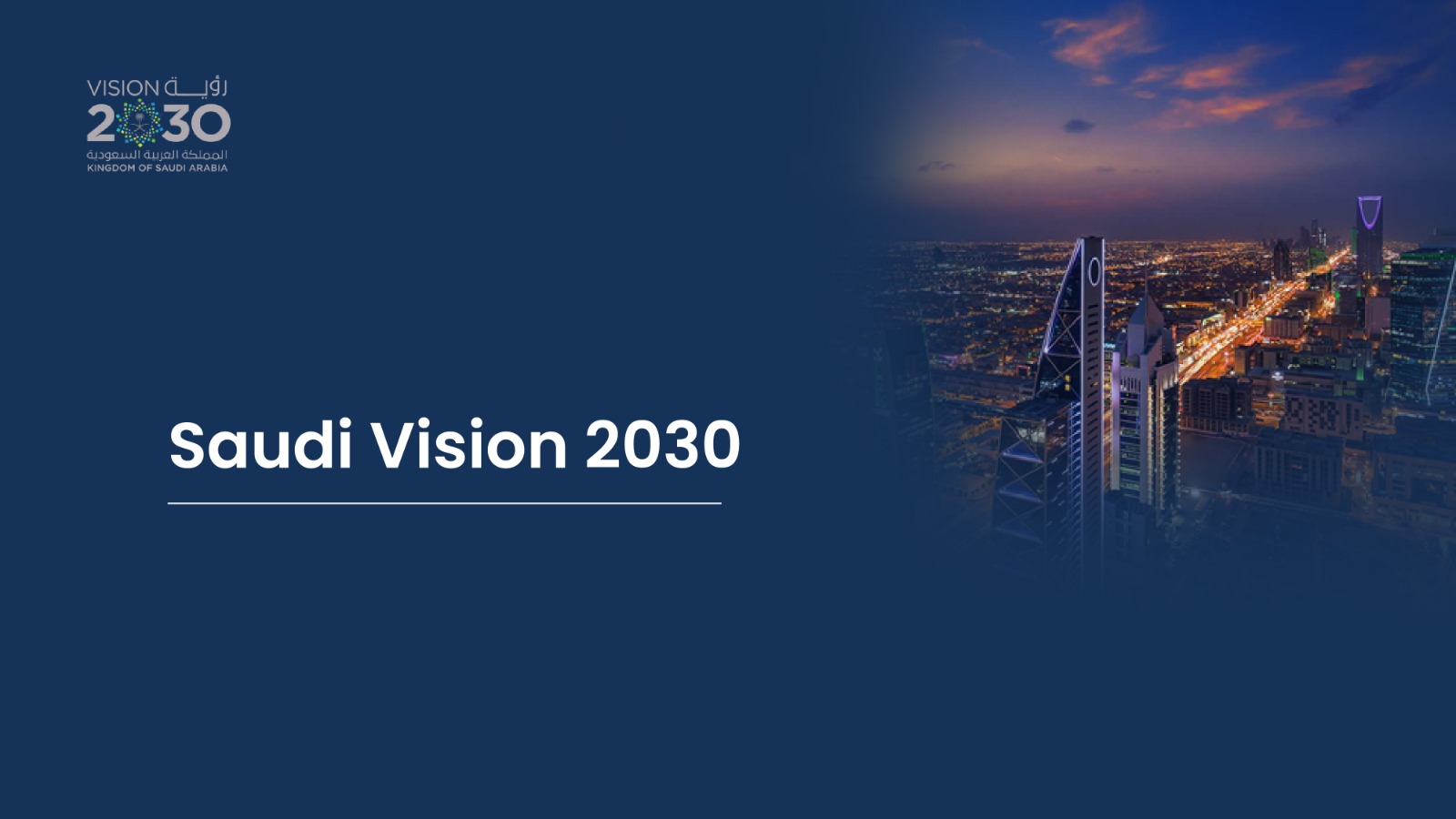
Vision 2030 serves as a strategic roadmap for the Kingdom of Saudi Arabia, aiming for a comprehensive transformation across various sectors. This vision represents a bold step toward building a diverse and sustainable economy, moving away from reliance on oil as the primary source of revenue.
Launched in 2016 by Saudi Crown Prince Mohammed bin Salman, Vision 2030 encompasses several key phases. It aims to enhance economic growth, improve quality of life, develop infrastructure, and strengthen the role of the private sector in the economy.
Details of the Initiative
Vision 2030 includes a set of ambitious goals, such as increasing the percentage of women participating in the labor market to 30% by 2030. The vision also seeks to elevate the standards of education and vocational training, contributing to the preparation of a new generation of competencies capable of competing in the global market.
The vision also focuses on developing the tourism sector, with targets set to increase the number of tourists to the Kingdom and promote domestic tourism. Major projects have been launched, such as the NEOM project, which aims to create a futuristic city based on advanced technology.
Background & Context
Vision 2030 emerges in the context of the economic challenges facing the Kingdom, particularly with fluctuating oil prices. The Saudi government aims to reduce dependency on oil by diversifying income sources, reflecting a long-term strategic vision.
Historically, the Kingdom has heavily relied on oil revenues, but global changes in energy prices have prompted Saudi leadership to consider sustainable alternatives. Thus, Vision 2030 represents a response to these challenges, emphasizing the importance of innovation and development.
Impact & Consequences
Vision 2030 is expected to bring about radical changes in the Saudi economy, contributing to the creation of new job opportunities and enhancing foreign investments. Additionally, the major projects launched will bolster the Kingdom's position as a global economic hub.
Moreover, the social transformations included in the vision, such as enhancing women's rights, will contribute to improving quality of life and fostering social stability. These changes are expected to positively impact Saudi society, reflecting a shift toward a more open and diverse community.
Regional Significance
Vision 2030 serves as a model for other Arab countries seeking sustainable development. Neighboring nations can benefit from the Saudi experience in economic diversification and innovation enhancement.
The success of Vision 2030 may also promote regional cooperation, as Arab countries can work together to achieve common goals in development and economics. This collaboration could lead to greater stability in the region.
In conclusion, Vision 2030 represents a strategic step toward a brighter future for the Kingdom of Saudi Arabia. By implementing this vision, the Kingdom aims to achieve sustainable development and enhance its position on the global stage.