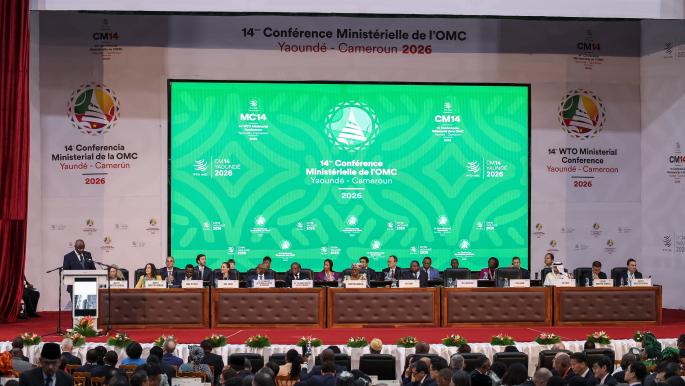
Negotiations aimed at reforming the World Trade Organization (WTO) are facing a significant stalemate, with little progress made, raising concerns about the future of global trade. Diplomats involved in these negotiations have indicated that discussions regarding the extension of the temporary suspension of tariffs on electronic transactions have not seen any breakthroughs so far.
The WTO is one of the key institutions in regulating international trade, aiming to promote free trade and facilitate commercial exchanges between countries. However, tensions between major countries, such as the United States and India, are hindering the necessary reform efforts to ensure the organization's effectiveness in addressing current challenges.
Details of the Current Negotiations
The current negotiations relate to several vital issues, including how to handle tariffs on electronic trade, a topic that is gaining increasing importance amid the digital transformation occurring worldwide. The United States is seeking to impose new rules, while India opposes these steps, complicating the negotiations further.
Diplomats have confirmed that failure to reach an agreement could exacerbate trade tensions among member countries, potentially negatively impacting the global economy. At the same time, there is an urgent need to reform the organization to keep pace with the rapid changes in the international trade environment.
Background & Context
The WTO was established in 1995, and since then, it has faced numerous challenges, including trade disputes among major countries. In recent years, tensions between the United States and China have escalated, affecting global trade relations and leading to increasing calls for reforming the organization.
India, considered one of the largest economies in the world, plays a pivotal role in these negotiations. However, its hardline stance on certain issues, such as tariffs, may complicate reform efforts. Diplomats believe that reaching a consensus among major countries will be crucial to ensuring the success of the negotiations.
Impact & Consequences
If negotiations remain stalled, it could exacerbate economic crises in many countries, especially those heavily reliant on international trade. Additionally, failure to reach an agreement may negatively reflect on foreign investments and impact global economic growth.
Potential impacts could include increased tariffs on goods and services, leading to higher prices for consumers. Companies may also face additional challenges in adapting to an unstable trading environment, which could affect their competitiveness.
Regional Significance
Arab countries are part of the global trading system, and thus any changes in the WTO could directly affect them. If tensions between major countries persist, Arab nations may face challenges in exporting their products, which could impact their local economies.
Moreover, instability in global trade could affect investments in the region, potentially leading to a slowdown in economic growth. Therefore, it is crucial for Arab countries to stay informed about the developments in the negotiations and be prepared to adapt to any potential changes.