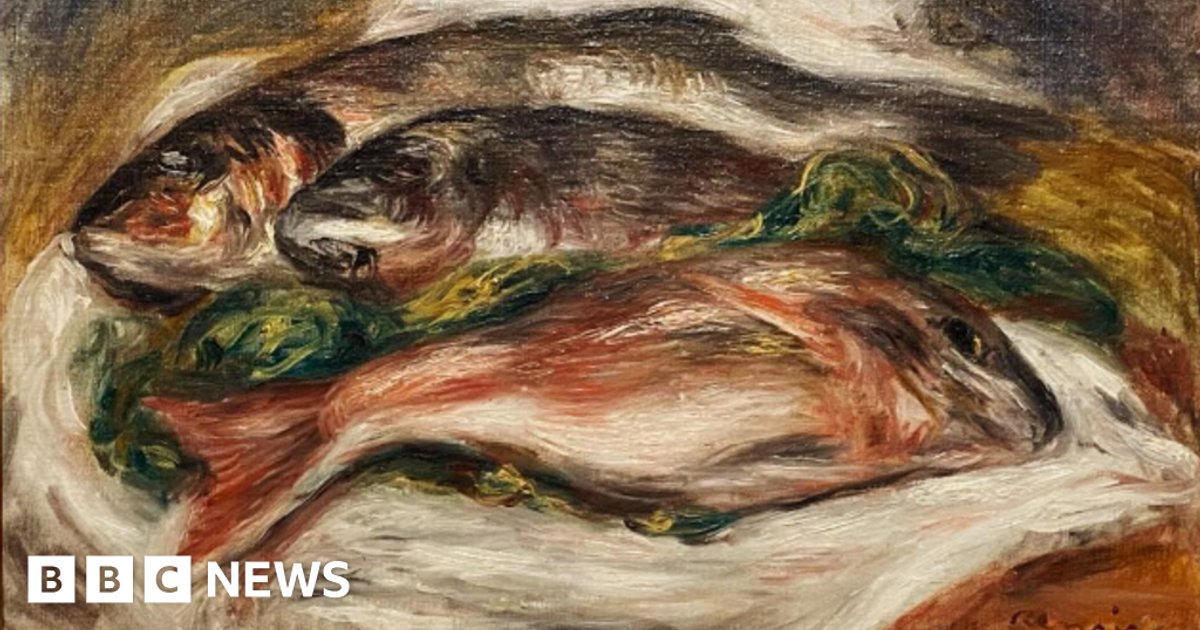
The Magnani Rocca Foundation in Parma, Italy, experienced a daring theft when four masked men broke into the museum on March 22, seizing three famous paintings by artists Pierre-Auguste Renoir, Paul Cézanne, and Henri Matisse. The estimated value of the stolen paintings is around 9 million euros, making this theft one of the largest art heists in Italy in recent years.
The stolen paintings include "Les Poissons" by Pierre-Auguste Renoir, valued at approximately 6 million euros alone. Additionally, the thieves took "Still Life with Cherries" by Paul Cézanne, which is rare due to its use of watercolors, and "Odalisque on the Terrace" by Henri Matisse, showcasing his unique style in character portrayal.
Details of the Incident
According to police reports, the thieves entered the museum through the main door and managed to execute the theft in just three minutes. They were halted by the museum's alarm system, which prevented the theft of more artworks. After carrying out the operation, the thieves escaped by climbing over the surrounding fence, highlighting the meticulous planning and organization that characterized this operation.
The foundation that was robbed was established after the death of Luigi Magnani, a composer and art collector, in 1984. It houses a valuable collection of artworks that reflect the history of European art.
Background & Context
Italy is considered one of the countries rich in artistic and cultural heritage, containing numerous museums and galleries that house priceless artworks. However, the country has witnessed an increase in art thefts in recent years, raising concerns about the safety and protection of cultural heritage. This incident comes just months after the theft of valuable jewelry from the Louvre Museum in Paris, reflecting a growing trend of museum heists.
Historically, Italy has been the site of many art thefts, with the stolen paintings representing a part of the cultural heritage that thieves seek to seize for commercial or personal purposes. The theft of artworks not only affects museums but also impacts society as a whole, as the public loses the opportunity to enjoy these works.
Impact & Consequences
This incident raises questions about the effectiveness of security measures in museums and the readiness of authorities to confront such threats. This theft is expected to lead to increased investments in security systems and modern technology to protect artworks. Additionally, investigations conducted by the Carabinieri and the Cultural Heritage Protection Unit in Bologna may uncover a broader network of thieves.
This incident serves as a wake-up call for museums worldwide, emphasizing the need to enhance security and protection for artworks, especially in light of the rising number of heists. The loss of these artworks represents not only a financial loss but also an irreplaceable loss of cultural heritage.
Regional Significance
In the Arab region, where many museums and art exhibitions preserve a rich cultural heritage, the importance of protecting this heritage from thefts is highlighted. Similar incidents remind us of the necessity to enhance security in Arab museums and develop effective strategies to counter potential threats. International cooperation in the field of cultural heritage protection can also contribute to reducing these phenomena.
In conclusion, the theft of paintings from the Magnani Rocca Foundation in Parma underscores the challenges faced by cultural institutions worldwide. Protecting cultural heritage requires joint efforts from governments and communities to safeguard what remains of this precious heritage.