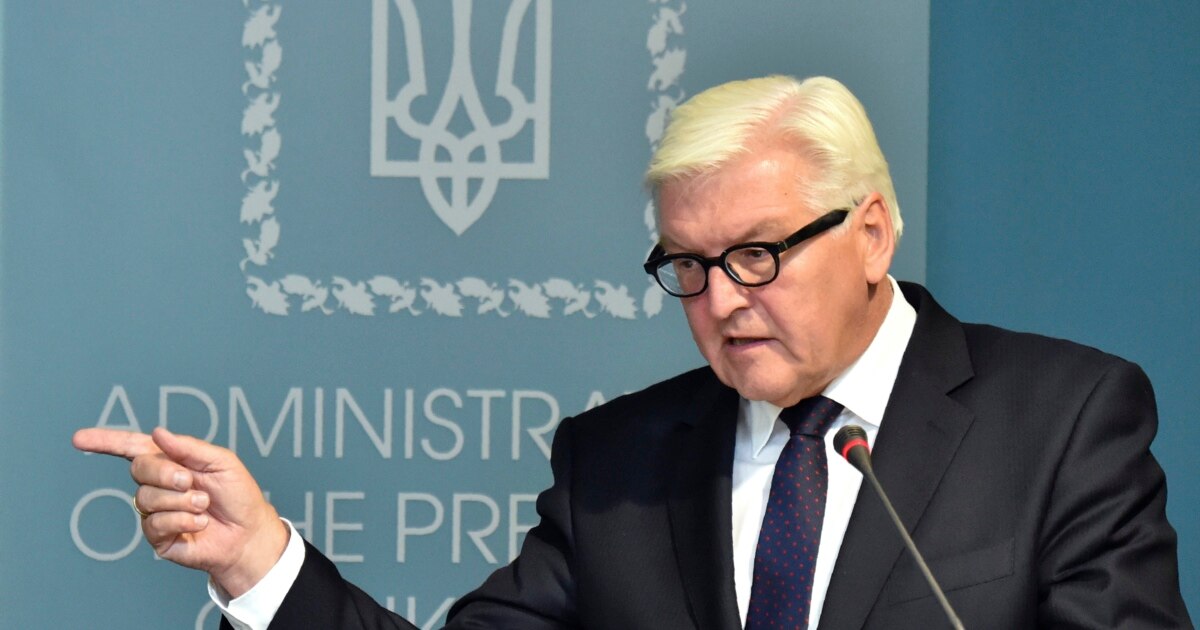
German President Frank-Walter Steinmeier has sparked significant controversy in the German political arena by describing the war on Iran as a blatant violation of international law. These statements, made at a sensitive time, reflect a profound division between the president and the government, raising questions about Germany's foreign policy amid escalating tensions in the Middle East.
Steinmeier emphasized the importance of respecting international laws, noting that any military escalation in the region could lead to dire consequences for security and stability. This statement comes as pressures mount on European countries to address Iranian threats, complicating relations between Berlin and Washington.
Details of the Event
In his remarks, Steinmeier pointed out that Germany should play a more effective role in promoting peace and stability in the region. He argued that the use of military force is not a solution and could exacerbate the situation. These statements contrast with the traditional stance of the German government, which often adopts a more conciliatory policy with the United States regarding Iran.
The remarks followed a series of discussions in the German parliament about how to deal with destabilizing Iranian activities. This debate has revealed a split among political parties, with some preferring a more cautious approach while others advocate for stricter measures against Iran.
Background & Context
Historically, German-Iranian relations have been complex, with Germany seeking to maintain channels of dialogue with Tehran even under American pressure. However, rising tensions in recent years, particularly after the United States withdrew from the Iranian nuclear deal, have made it difficult for Berlin to maintain this balance.
Recent events, including attacks on oil facilities in the Gulf, have intensified the debate on how to address Iran. In this context, Steinmeier's remarks highlight the challenges Germany faces in its foreign policy.
Impact & Consequences
Steinmeier's statements raise questions about the future of German-American relations, as they could lead to increased tensions between Berlin and Washington. If these divisions persist, they may affect Germany's ability to play an active role in European policy towards Iran.
Moreover, these divisions could have domestic repercussions, potentially increasing political polarization in the country. With upcoming elections, opposition parties may exploit these statements to criticize the current government.
Regional Significance
The developments in German-Iranian relations are particularly significant for the Arab region, where Germany plays an important role in European policy towards the Middle East. If Berlin continues to adopt a more critical stance towards Tehran, it could influence Arab countries' strategies in dealing with Iran.
Furthermore, these divisions may lead to a reassessment of security policies in the region, as Arab states seek to strengthen their alliances to counter Iranian threats. In this context, Germany could play a crucial role in supporting peace and stability efforts in the region.
In conclusion, Steinmeier's remarks emerge as a sign of the challenges facing German foreign policy amid rising tensions in the Middle East, necessitating a reevaluation of current strategies.