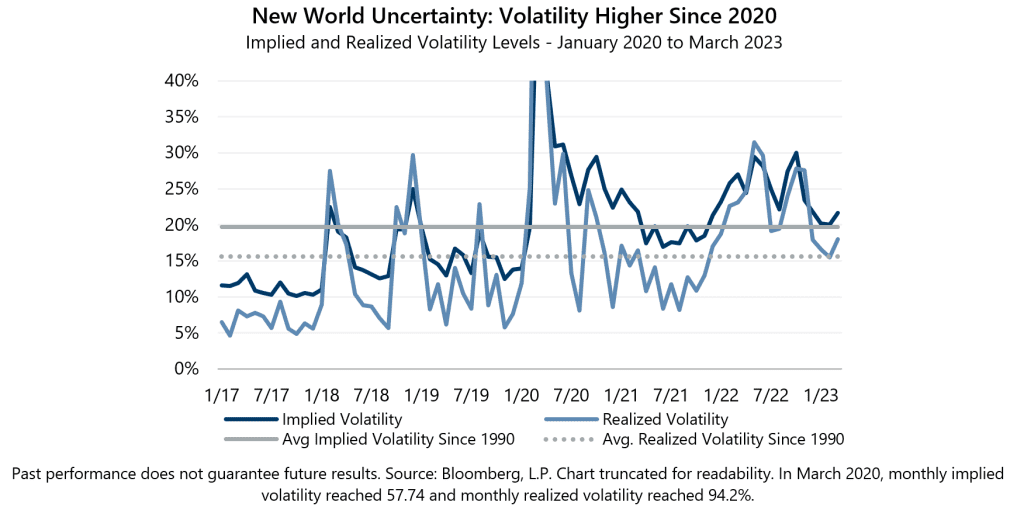
The S&P 500 index recorded its worst performance in the first quarter since 2022, as markets were heavily affected by the ongoing conflicts in Iran, along with concerns regarding private credit and trends related to artificial intelligence trading. Despite the gains made by the index on the last day of the quarter, this was not enough to offset the losses incurred over the past three months.
In March, the markets experienced notable volatility, with stocks declining due to fears that the Iranian conflict could impact regional and global stability. Additionally, concerns regarding private credit increased pressure on investors, leading to a decline in confidence in financial markets.
Details of the Event
Despite the gains made by the S&P 500 at the end of the quarter, overall performance was weak, with the index recording a decline of 7% during the first three months of the year. This performance is the worst since 2022, reflecting growing anxiety among investors regarding global economic and political conditions.
Fears are increasing that the conflict in Iran may lead to an escalation of regional tensions, which could negatively affect financial markets. Furthermore, concerns about private credit, which refers to loans provided by private financial institutions, have heightened pressures on investors, making them more cautious in their investment decisions.
Background & Context
Financial markets have experienced significant volatility in recent years due to global political and economic events. The long-standing conflict in Iran has greatly affected stability in the region, increasing risks for investors. Additionally, new trends in artificial intelligence have impacted markets, as investors engage in what is known as 'fear trading,' making investment decisions based on future uncertainties.
In this context, the first quarter of 2023 marks a turning point in the markets, as investors began to reassess their investment strategies in light of changing global events.
Impact & Consequences
The current volatility in financial markets may lead to significant changes in investment strategies. Investors are expected to adopt a more cautious approach, which could impact liquidity in the markets. Moreover, political and economic conflicts may increase pressures on companies, potentially affecting their future profits.
On the other hand, these fluctuations may present new investment opportunities for those looking to capitalize on chances amid challenging conditions. However, the risks associated with these opportunities may be high, requiring investors to make well-considered decisions.
Regional Significance
The financial markets in the Arab region are closely linked to global events, particularly political conflicts. The conflict in Iran may affect stability in the region, leading to fluctuations in Arab markets. Additionally, concerns regarding private credit may impact the ability of Arab companies to secure necessary funding for growth.
Ultimately, investors in the Arab region must closely monitor global developments, as events in international financial markets could directly affect their investments and financial decisions.