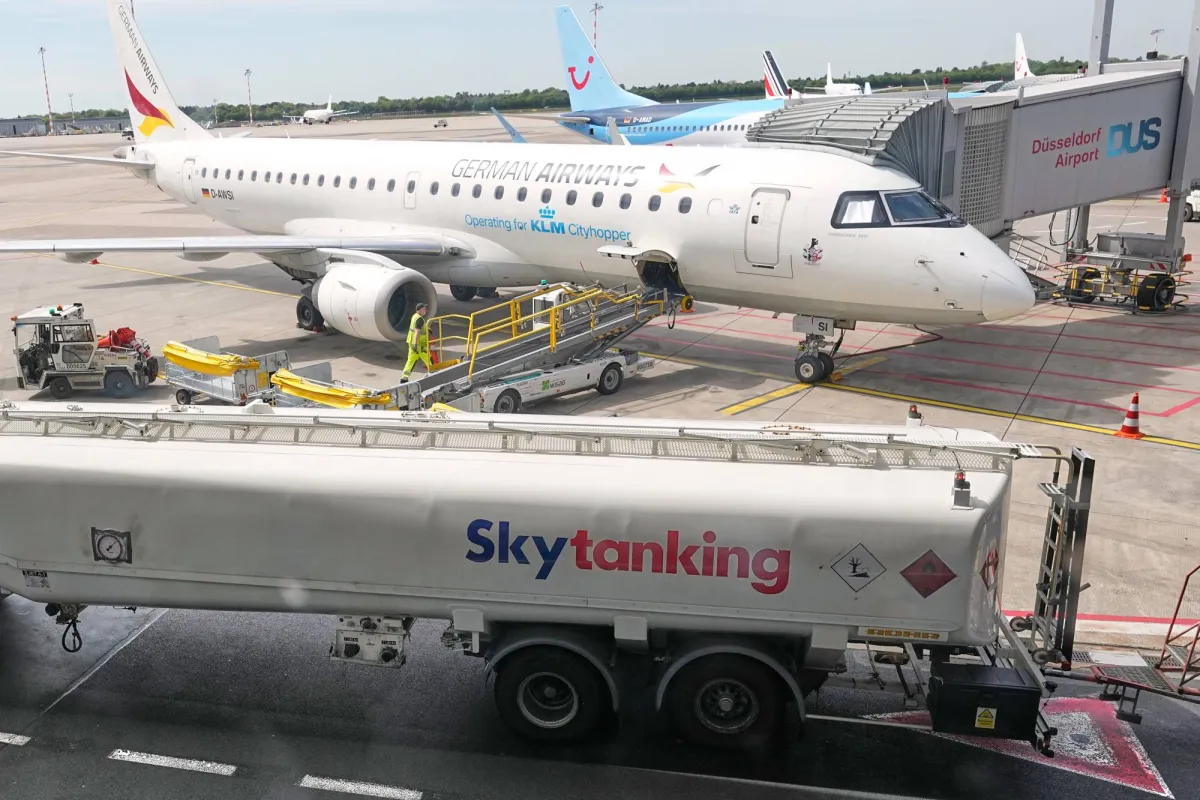
Data suggests that Europe's imports of aircraft fuel from the Middle East are likely to cease this April. This comes amid disruptions caused by the Iranian war, which have affected supply chains in the region, raising fears of a potential shortage before the peak summer travel season.
Countries within the OECD in Europe consume approximately 1.6 million barrels per day of aircraft fuel and kerosene, while local refineries produce only about 1.1 million barrels per day, resulting in a deficit of at least 500,000 barrels per day that is covered through imports, according to reports from Reuters.
Event Details
Last year, OECD countries imported around 60 percent of their aircraft fuel needs from outside the region, particularly from the Middle East, according to data from Kpler, a global shipping statistics company. This makes the European market highly sensitive to any geopolitical disruptions or shipping route interruptions.
European airlines have warned about the impact of rising aircraft fuel prices, but they have downplayed immediate concerns regarding supply shortages. The CEO of Wizz Air stated that he does not expect a fuel shortage, a sentiment echoed by International Airlines Group. Additionally, Galp, a major Portuguese oil refining company, confirmed that it does not anticipate disruptions before the travel season.
Background & Context
Conversely, the Swedish Minister of Energy warned that current supplies appear stable, but the risks of shortages could emerge in the future if disruptions continue. The consultancy firm FGE Nexant Ika does not foresee a shortage of aircraft fuel in the second quarter, as a decline in imports can be compensated by increased regional production and improved allocation.
However, the International Energy Agency warned earlier this month that Europe could face an actual deficit in aircraft fuel by June if it can only compensate for half of the usual supplies from the Middle East. Data from Kpler indicates that no shipments of aircraft fuel have been recorded heading to Europe from the Middle East this April, which is expected to reduce total imports to their lowest level in four years.
Impact & Consequences
In energy markets, aircraft fuel prices in Europe have risen again to exceed $200 per barrel, after previously declining from a peak of $228 in March. This comes at a time when gains in aircraft fuel prices have outpaced the rise in crude oil prices, which have also reached a four-year high near $120 per barrel.
Estimates from Société Générale indicate that aircraft fuel stocks in the European Union were already limited by the end of last year, with coverage not exceeding 37 days of demand, and are likely to drop to around 30 days by the end of this year. Additionally, Energy Aspects, a firm specializing in energy market data analysis, reported that European refineries are adjusting their operations to maximize production of aircraft fuel and diesel, but warned of the possibility of depleting stocks during the summer months if supply disruptions persist.
Regional Significance
The Arab region is directly affected by these developments, as any shortage in aircraft fuel supplies could impact travel and tourism, which are vital revenue sources for many Arab countries. Furthermore, ongoing disruptions in the Middle East could exacerbate economic crises in oil-dependent nations.
In conclusion, the situation in Europe remains under observation, as any changes in supply chains or prices could significantly affect air travel and tourism in the coming months.