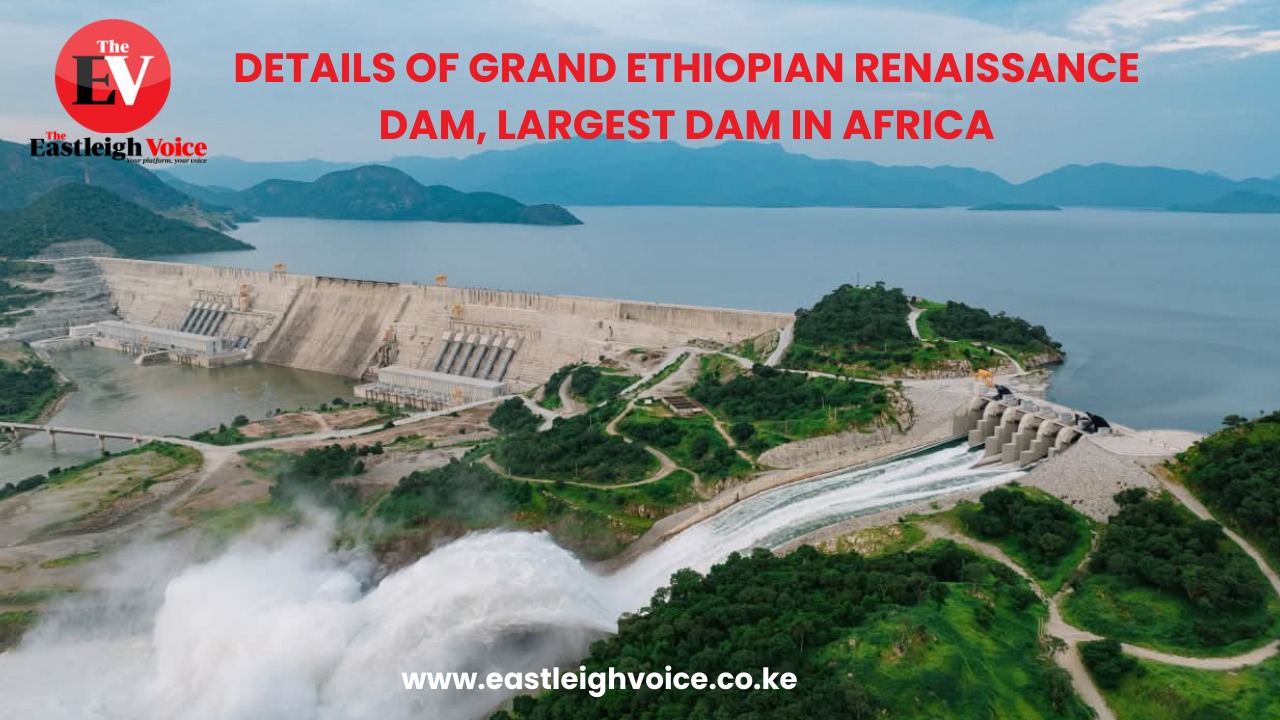
Abbas Sharaki, an expert in water affairs, has warned that the halt of turbines at the Grand Ethiopian Renaissance Dam (GERD) and the stability of the dam's lake level present a serious threat to water security in Sudan. Sharaki emphasized that these developments could exacerbate the water crises in the country, calling for urgent measures to ensure the sustainability of water resources.
He pointed out that the GERD lake, which is considered one of the largest dams in Africa, has been significantly affected by the turbine shutdown, leading to a decrease in water levels. This situation raises concerns in Sudan, where many residents rely on the Nile River as a primary source of freshwater.
Details of the Event
The halt of turbines at the GERD comes at a sensitive time, as Ethiopia had previously announced plans to increase energy production from the dam. However, the current situation raises questions about the dam's ability to meet the needs of downstream countries, particularly Sudan and Egypt. Sharaki noted that this shutdown could lead to a reduction in water flow to Sudan, negatively impacting agriculture and water resources in the country.
He added that if the situation continues as it is, it could worsen the humanitarian crises in Sudan, where many people are suffering from a lack of potable water. This situation serves as a wake-up call for the Sudanese government to take urgent steps to negotiate with Ethiopia regarding water management.
Background & Context
The Grand Ethiopian Renaissance Dam is a massive project that began in 2011, aiming to generate hydroelectric power. However, this project has raised significant concerns in downstream countries, especially Sudan and Egypt, due to its potential impact on water flow. Negotiations between the three countries have faced significant setbacks, increasing tensions in the region.
Historically, there have been numerous crises related to water management in the Nile Basin, where downstream countries heavily depend on Nile waters. With the growing demand for water due to population growth and climate changes, the management of water resources has become increasingly complex.
Impact & Consequences
The shutdown of turbines at the GERD could have serious implications for food security in Sudan. With reduced water flow, agricultural crops may be adversely affected, increasing the risk of famine in some areas. Additionally, the lack of water could impact the livestock sector, which heavily relies on water resources.
Moreover, the psychological and social impact on the population will be significant, as water shortages will exacerbate economic and social crises. Therefore, the need for diplomatic solutions and effective water management has become more urgent than ever.
Regional Significance
The GERD crisis is one of the vital issues affecting water security in the Arab region. With rising tensions among the three countries, the risks related to conflicts over water resources may increase. This situation requires other Arab countries to be more aware of the importance of cooperation and coordination in water resource management.
In conclusion, the international community must play an active role in supporting negotiation efforts among the concerned countries to ensure water security and stability in the region. Cooperation in water management is the only way to avoid future crises.