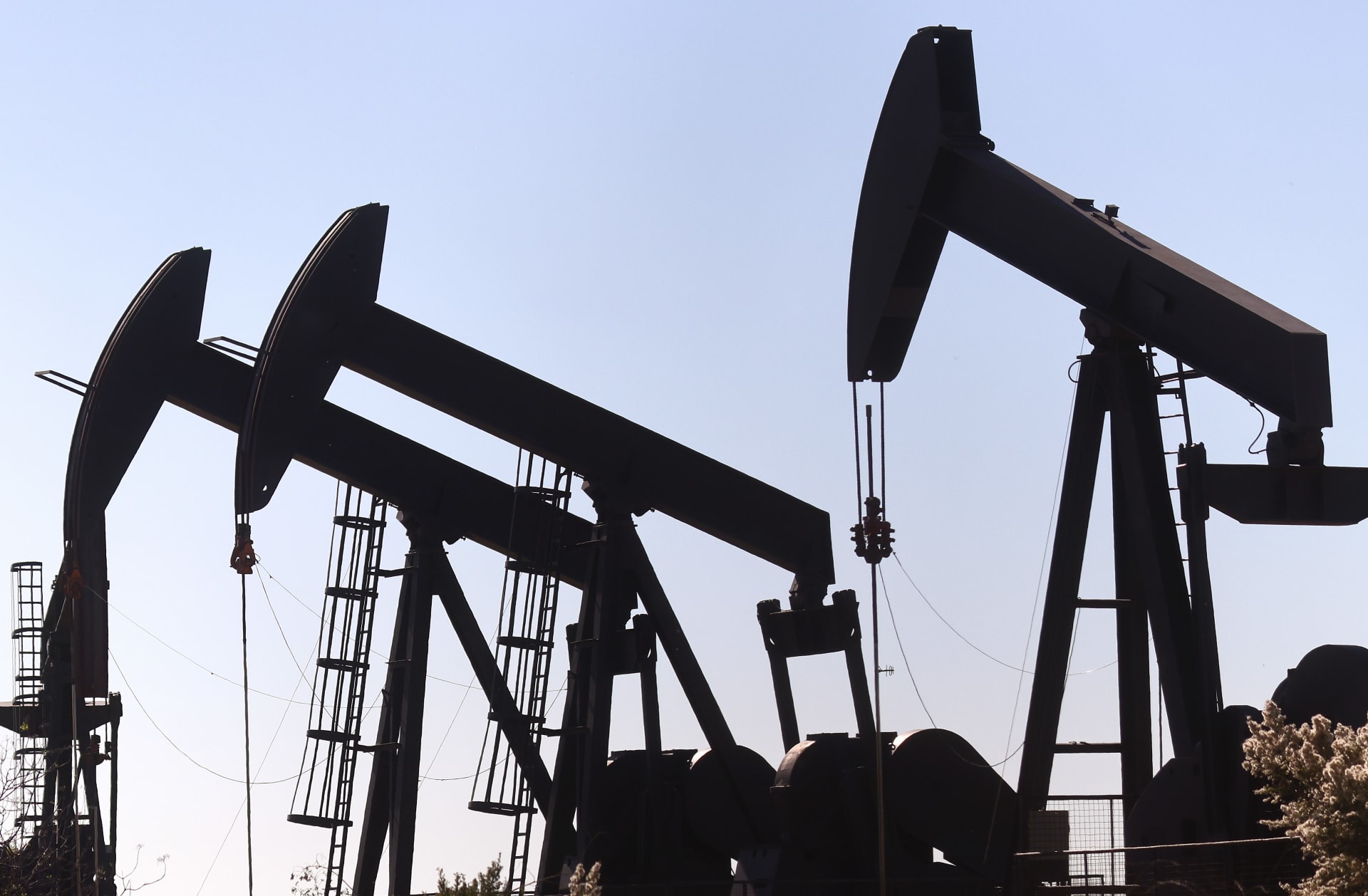
BNP Paribas has issued a warning that the surge in oil prices to the level of $200 per barrel could have serious repercussions for the global economy, potentially leading to a recession. In its report released today, the bank noted that the impact of the war on the global economy has begun to manifest, although it has not significantly affected growth so far.
Forecasts indicate a slowdown in the pace of economic growth, accompanied by rising inflation rates, amid the more stringent monetary policies adopted by central banks worldwide compared to the beginning of the year. These combined factors could place the global economy on the brink of recession.
Event Details
According to the report, BNP Paribas expects global GDP to grow by 3%, which is below the historical average of 3.5% during this decade. A global recession is defined as when growth falls below 2.5%.
The bank also added that there are two scenarios that could exacerbate the economic situation. The first is the worsening of supply chain bottlenecks due to disruptions in energy markets in the Middle East, which could lead to a decline in supplies. The second is the continued tightening of monetary policies by central banks, which increases pressure on the economy.
Background & Context
Historically, oil prices have experienced significant fluctuations due to geopolitical crises, with these fluctuations impacting the global economy as a whole. In recent years, several factors have contributed to rising prices, including conflicts in major oil-producing regions and increasing energy demand.
The war in Ukraine, for instance, has led to a substantial increase in energy prices, affecting both major and minor economies alike. In this context, the rise in oil prices to $200 per barrel serves as a wake-up call for economic officials worldwide.
Impact & Consequences
If oil prices continue to rise, this could lead to increased production and transportation costs, negatively reflecting on the prices of goods and services. This situation may, in turn, lead to higher inflation rates, placing additional pressure on households and businesses.
Moreover, an economic recession could result in job losses and increased unemployment rates, affecting social and economic stability in many countries. Consequently, governments and central banks will face significant challenges in how to address these situations.
Regional Significance
The Arab region, which heavily relies on oil exports, may be particularly affected by rising prices. Oil-producing countries could benefit from increased revenues, but at the same time, importing countries will face significant economic challenges.
For instance, rising oil prices could lead to increased living costs in Arab oil-importing countries, putting pressure on governments to address these challenges. Additionally, economic stability in the region could be significantly impacted due to these fluctuations.
In conclusion, the current situation requires countries and central banks to take urgent measures to mitigate the effects of rising oil prices and avoid slipping into economic recession.