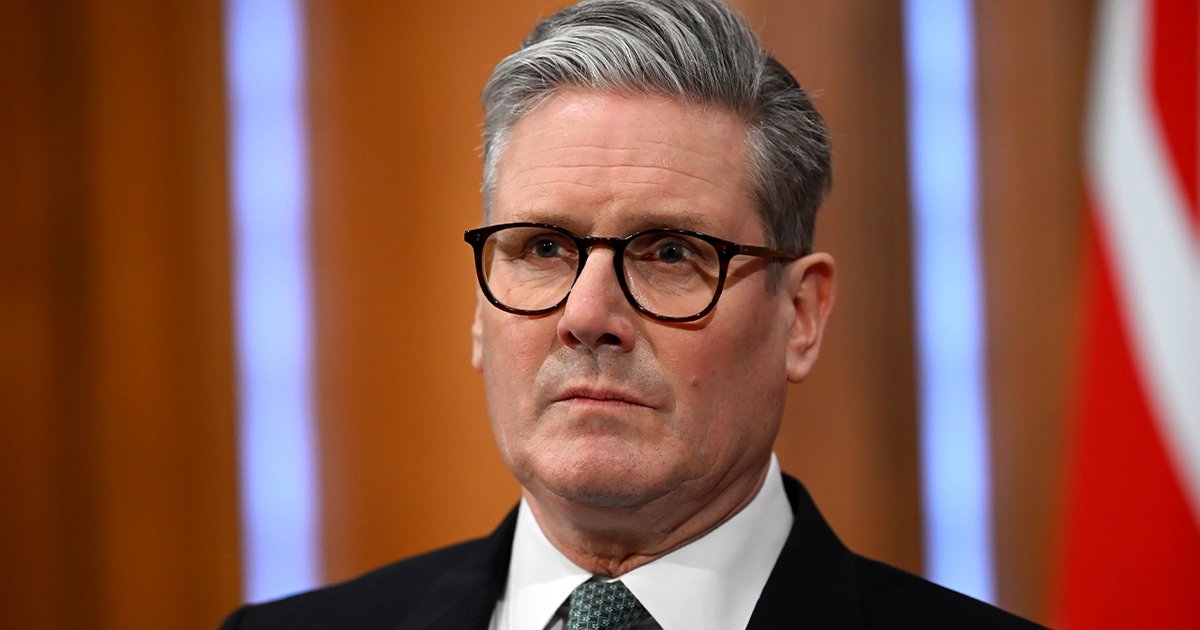
The Labour Party considers Keir Starmer's response to the Middle East crisis as the focal point of his electoral campaign. This response comes at a critical moment when tensions in the region are escalating, reflecting voters' concerns about the current situation.
In light of the escalating events in the Middle East, Starmer faces significant challenges regarding how to present a clear and coherent vision. The party aims to deliver a message characterized by seriousness and realism, focusing on the importance of diplomacy and dialogue in resolving conflicts.
Details of the Campaign
This campaign emerges at a time when the region is witnessing an increase in conflicts, placing the British government under substantial pressure. Starmer demonstrates through his statements a commitment to human rights principles and emphasizes the necessity for the United Kingdom to play an active role in the pursuit of peace.
Starmer also highlights the importance of international cooperation, noting that crises in the Middle East cannot be resolved in isolation from international efforts. The party seeks to present itself as a reliable alternative capable of effectively addressing these challenges.
Background & Context
Historically, the United Kingdom has played a pivotal role in Middle Eastern politics, whether through colonialism or diplomatic relations. Today, the region is undergoing radical changes, necessitating British leaders to reassess their strategies. Concerns about rising violence have increased, making it essential for the British government to adopt a balanced policy.
Impact & Consequences
The repercussions of the current crisis extend beyond the Middle East, affecting security and stability in Europe as well. Starmer's response indicates that he recognizes the importance of these issues, which could enhance his popularity among voters who are worried about the impact of external crises on national security.
Regional Significance
Starmer's approach to the Middle East crisis is significant as it reflects the Labour Party's stance on handling sensitive issues that impact national security and international relations. By advocating for a proactive role in international diplomacy, he aims to resonate with a constituency that values global engagement.
In conclusion, Starmer's response to the Middle East crisis is not only a strategic electoral move but also a reflection of the evolving political landscape in the UK. His emphasis on diplomacy and human rights could redefine the Labour Party's image and its approach to foreign policy in the coming years.