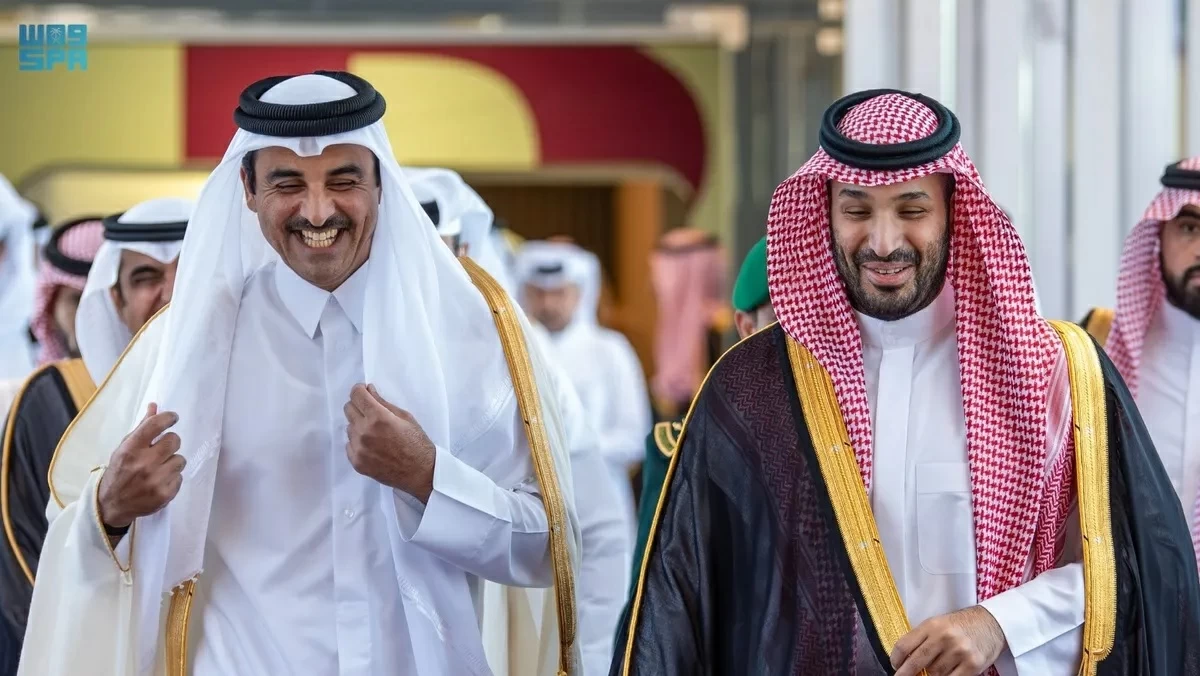
The Gulf Cooperation Council's consultative summit concluded in Jeddah, where member states emphasized the importance of coordination and unified visions to tackle regional and international challenges. This summit was not merely a protocol meeting but a strategic station reflecting a deep awareness of the sensitivity of the current phase.
The Gulf states are keen to establish a continuous consultation approach as an effective tool for formulating balanced positions that support peaceful solutions. The summit also reflects a clear commitment to safeguarding the region's security and stability, based on a firm belief that the security of the Gulf states is interconnected and indivisible.
Event Details
Through this summit, the Gulf Cooperation Council aims to play an active and influential role in its surroundings, not only through crisis management but also by contributing to building a more stable regional environment. The summit seeks to enhance the region's position as a reliable partner on the international stage.
The summit represents a model of collective action based on wisdom and responsibility, sending a clear message that the Gulf states are moving towards strengthening their unity and integration in facing challenges and creating opportunities. It also reflects a strategic repositioning of the Gulf Cooperation Council in a complex regional moment.
Background & Context
The current challenges, from regional tensions to supply chain disruptions, require the Gulf states to transition from coordination to what resembles "preventive integration." This involves anticipating crises rather than merely reacting to them, thereby enhancing collective thinking mechanisms and decision-making speed.
The summit indicates a shift in the tools of Gulf influence, where the Gulf weight is no longer measured solely by energy and economy but has expanded to include political mediation and balance-making. This shift grants the Gulf states the position of an "accepted mediator" internationally.
Impact & Consequences
The summit comes in the context of a world moving towards multipolarity, which compels the Gulf states to adopt a policy of "smart balance." The intensified consultations among Gulf leaders aim to unify their approach in dealing with major powers, preserving strategic interests without getting dragged into conflicting axes.
The economic dimension is closely linked to security dimensions, as stability is no longer just a political goal but a prerequisite for the continuity of major economic transformation projects. Any security disruption directly impacts investment, supply chains, and market confidence.
Regional Significance
The summit carries a dual message: internally, it reassures the peoples of the Gulf states that there is a unified leadership managing challenges with awareness and foresight. Externally, it sends a clear signal that the Gulf states are not a battleground for rivalries but a regional actor with a vision, stance, and capacity to influence.
The summit represents a transition from a phase of "political solidarity" to a phase of "deep strategic partnership," where coordination becomes a tool for creating influence, not just for maintaining stability. If this transformation continues, it could redefine the role of the Gulf from an important regional player to a key balancing hub in the global system.