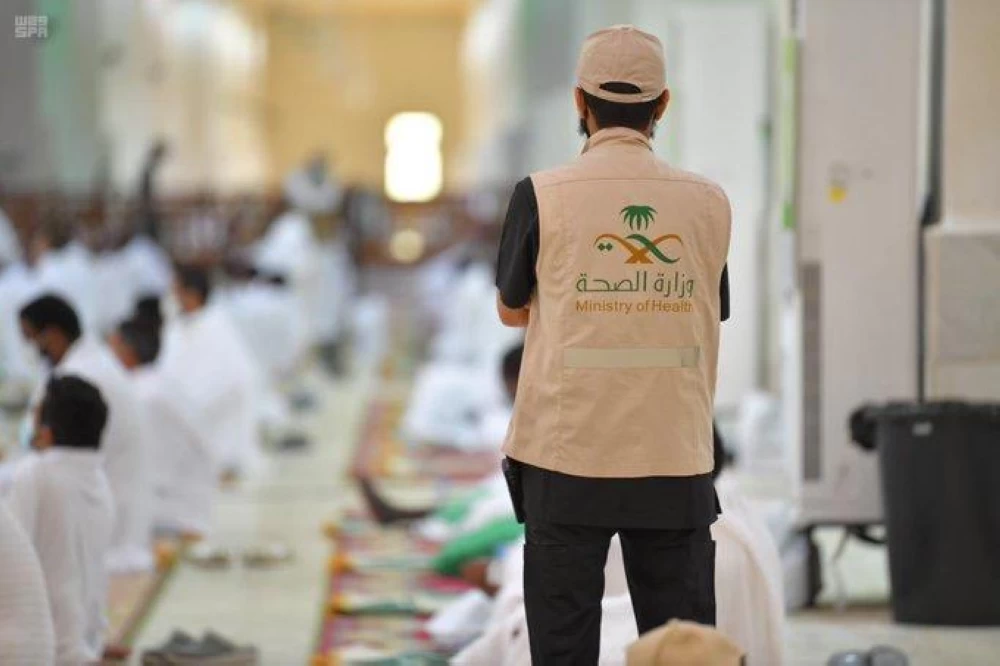
Saudi authorities emphasize the importance of health requirements for pilgrims, highlighting the necessity of vaccinations against diseases before performing Hajj. The Ministry of Health and the Public Health Authority have revealed a list of illnesses that may prevent individuals from obtaining Hajj permits, ensuring their safety and security during the rituals.
The list of illnesses that may hinder obtaining a permit includes advanced kidney failure requiring dialysis, advanced heart failure, liver cirrhosis, severe mental illnesses, dementia, and advanced aging. Additionally, pregnancy in the last three months is included among the reasons that may prevent women from performing Hajj.
Details of the Requirements
The Ministry of Health mandates that those wishing to perform Hajj this year must be vaccinated against meningitis, requiring them to receive a single dose of the quadrivalent vaccine at least 10 days before the start of the Hajj rituals. This measure is part of the efforts to ensure the safety of pilgrims and avoid any health complications that could affect their experience.
Furthermore, the ministry recommends the COVID-19 vaccine as a fundamental requirement, preferring that pilgrims have received a dose of the updated vaccine after January 1, 2025. This includes the elderly (65 years and above), pregnant women, and individuals with chronic diseases such as heart and respiratory diseases, kidney failure, and diabetes.
Background & Context
These measures come as part of Saudi Arabia's commitment to providing a healthy and safe environment for pilgrims, especially following the challenges faced during the COVID-19 pandemic. The pandemic significantly impacted Hajj rituals in previous years, prompting authorities to implement strict preventive measures to ensure everyone's safety.
Historically, Hajj is one of the five pillars of Islam and attracts millions of Muslims from around the world. With the increasing number of pilgrims, the need for effective organization to ensure their safety grows, necessitating the establishment of precise health regulations.
Impact & Consequences
These regulations underscore the importance of public health and the provision of necessary healthcare for pilgrims, reflecting the Kingdom's commitment to improving the Hajj experience. Additionally, these measures may lead to increased health awareness among pilgrims, contributing to the reduction of potential health risks.
It is expected that these regulations will affect the number of pilgrims able to perform the rituals, as some individuals may have to abandon the idea of Hajj due to health incapacity. However, the primary goal is to maintain the health and safety of everyone involved.
Regional Significance
These measures serve as a model for other countries hosting religious rituals, as they can contribute to enhancing health awareness and disease prevention. Moreover, cooperation among Islamic countries in sharing health information and experiences can strengthen everyone's ability to face health challenges.
In conclusion, the health and safety of pilgrims remain a top priority, necessitating everyone's adherence to the announced health regulations to ensure a safe and smooth Hajj experience.