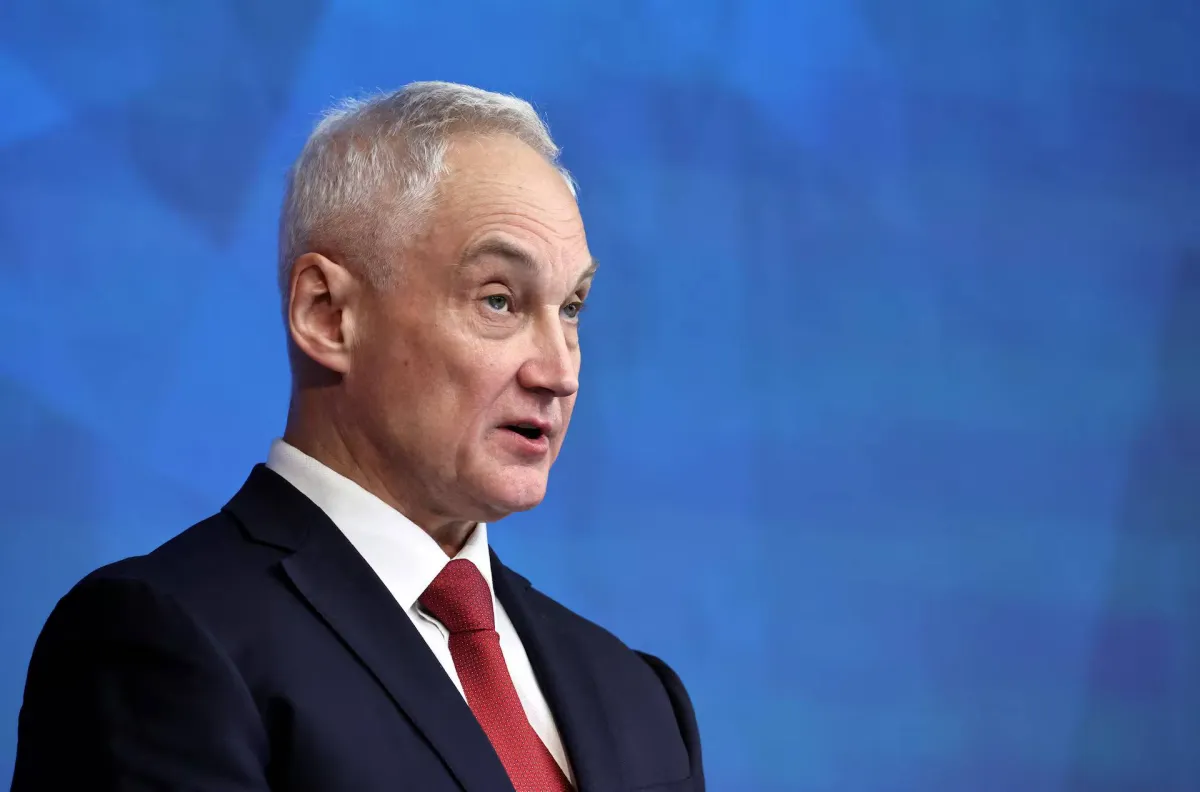
Russian Defense Minister Andrei Belousov engaged in talks with Iranian Deputy Defense Minister Reza Talaei during his current visit to Kyrgyzstan. Belousov reaffirmed Russia's steadfast position on the necessity of resolving disputes with Iran through diplomatic channels, indicating that Moscow and Tehran will continue to support each other on various issues.
In a related context, Russian President Vladimir Putin informed Iranian Foreign Minister Abbas Araghchi that Russia would make every effort possible to assist in establishing peace in the Middle East. This statement was made during a meeting held in Saint Petersburg, where Putin highlighted the importance of cooperation between the two countries in facing regional challenges.
Details of the Event
These discussions coincide with escalating tensions in the region, where Araghchi accused the United States of failing to facilitate anticipated talks in Islamabad. Nevertheless, the ceasefire between Tehran and Washington remains intact, reflecting a state of cautious tension.
Russian media reported Putin's remarks to Araghchi: "We will do everything that serves your interests and the interests of all the peoples of the region, so that peace is achieved as soon as possible." These statements reflect Russia's commitment to supporting its allies in the region and enhancing military and political cooperation.
Background & Context
Historically, Russian-Iranian relations have seen significant consolidation in recent years, especially following the signing of the 2025 Treaty, which strengthened cooperation in intelligence and security fields. These developments come at a sensitive time, as both Moscow and Tehran seek to enhance their influence in the Middle East, which is undergoing substantial geopolitical changes.
In this context, UN Secretary-General Antonio Guterres warned of the accelerating pace of nuclear weapons proliferation, indicating that the Nuclear Non-Proliferation Treaty faces significant challenges. These warnings come at a time when the world is witnessing an increase in military tensions, underscoring the importance of dialogue among major powers.
Impact & Consequences
The repercussions of these talks extend beyond Russia and Iran, potentially affecting regional stability in the Middle East. Military cooperation between the two countries could enhance their capabilities in addressing shared challenges, potentially leading to a shift in the balance of power in the region.
Additionally, these meetings may pave the way for further collaboration among countries that adopt similar policies, complicating the political landscape in the Middle East. At the same time, these dynamics may provoke reactions from Western powers, particularly the United States, which seeks to limit the influence of Russia and Iran in the region.
Regional Significance
The Russian-Iranian relationship significantly impacts Arab countries, potentially leading to increased tensions in areas such as Iraq, Syria, and Lebanon. Arab states that adopt opposing policies may find themselves in a difficult position, necessitating a reassessment of their strategies in dealing with these powers.
In conclusion, these talks between Russia and Iran reflect a shift in international relations, as both countries strive to enhance their cooperation in facing regional and international challenges. It is crucial to monitor the developments of these relations and their impact on stability in the Middle East.