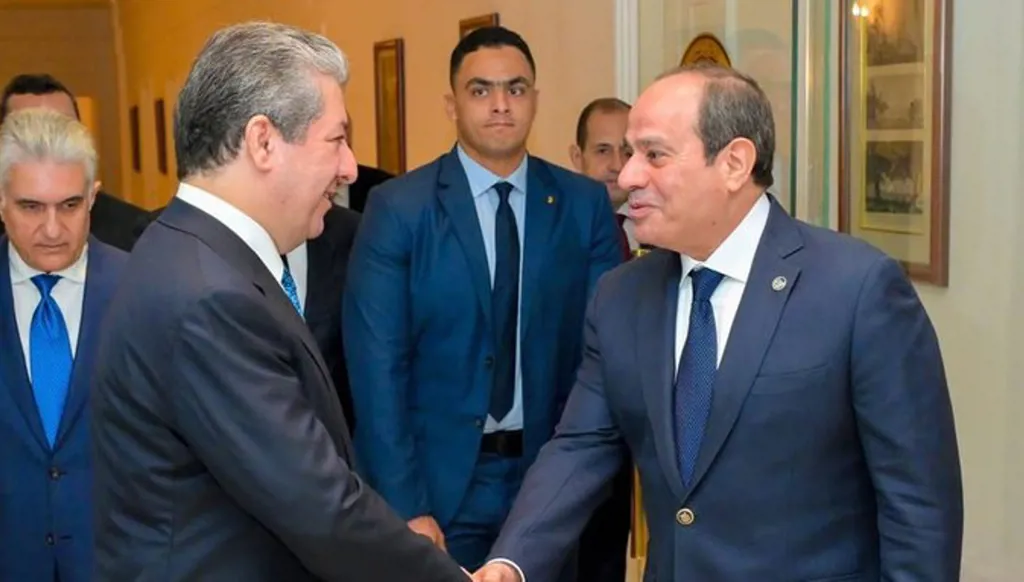
Mauritanian President Mohamed Ould Cheikh Ghazouani's visit to Brussels holds strategic importance amid rising security threats in the Sahel region. The visit aims to enhance military partnership with NATO, at a time when the region is witnessing rapid geopolitical transformations.
This visit comes at a critical time, as security challenges in the Sahel and Sahara regions are increasing, necessitating strengthened cooperation between Mauritania and NATO. President Ghazouani seeks through this visit to reaffirm his country's commitment to combating terrorism and enhancing regional security.
Details of the Event
During his visit to Brussels, President Ghazouani is expected to meet with several military and political leaders within NATO. The meeting will address ways to enhance security and military cooperation, as well as exchange experiences in areas such as counter-terrorism and military training.
Both sides will also discuss ways to support Mauritania in facing security challenges, especially in light of the increasing activity of armed groups in the region. This visit represents an opportunity to strengthen bilateral relations and expand cooperation in multiple fields.
Background & Context
Historically, the Sahel and Sahara region has suffered from political and security instability, leading to a rise in terrorist group activities. In recent years, Mauritania has taken serious steps to enhance its national security through cooperation with international partners, including NATO.
Mauritania is one of the countries seeking to enhance its military capabilities through collaboration with the alliance, as this partnership represents an important step towards achieving security and stability in the region. Furthermore, this visit is part of Mauritania's efforts to bolster its role as a supporter of regional security.
Impact & Consequences
President Ghazouani's visit is expected to contribute to strengthening military cooperation between Mauritania and NATO, which could lead to improved military capabilities for the Mauritanian army. This cooperation may also help reduce security threats in the region and enhance its stability.
Moreover, this visit could attract more international investments and aid to Mauritania, contributing to the enhancement of economic and social development in the country. This partnership will also reflect the international community's commitment to combating terrorism in the region.
Regional Significance
President Ghazouani's visit to Brussels is of great importance to the Arab region, as it reflects new trends in security and military policy. Strengthening cooperation between Arab countries and NATO could contribute to achieving security and stability in other parts of the Arab world.
This visit may also inspire other Arab countries to enhance their security partnerships with the alliance, aiding in addressing common challenges. Given the current circumstances, enhancing security cooperation is an urgent necessity to ensure stability in the region.
In conclusion, President Ghazouani's visit to Brussels emerges as a strategic step to enhance security and military cooperation with NATO, at a time when the Sahel region faces increasing security challenges. This visit may open new horizons for Mauritania in the field of security and defense, reinforcing its role as a supporter of stability in the region.