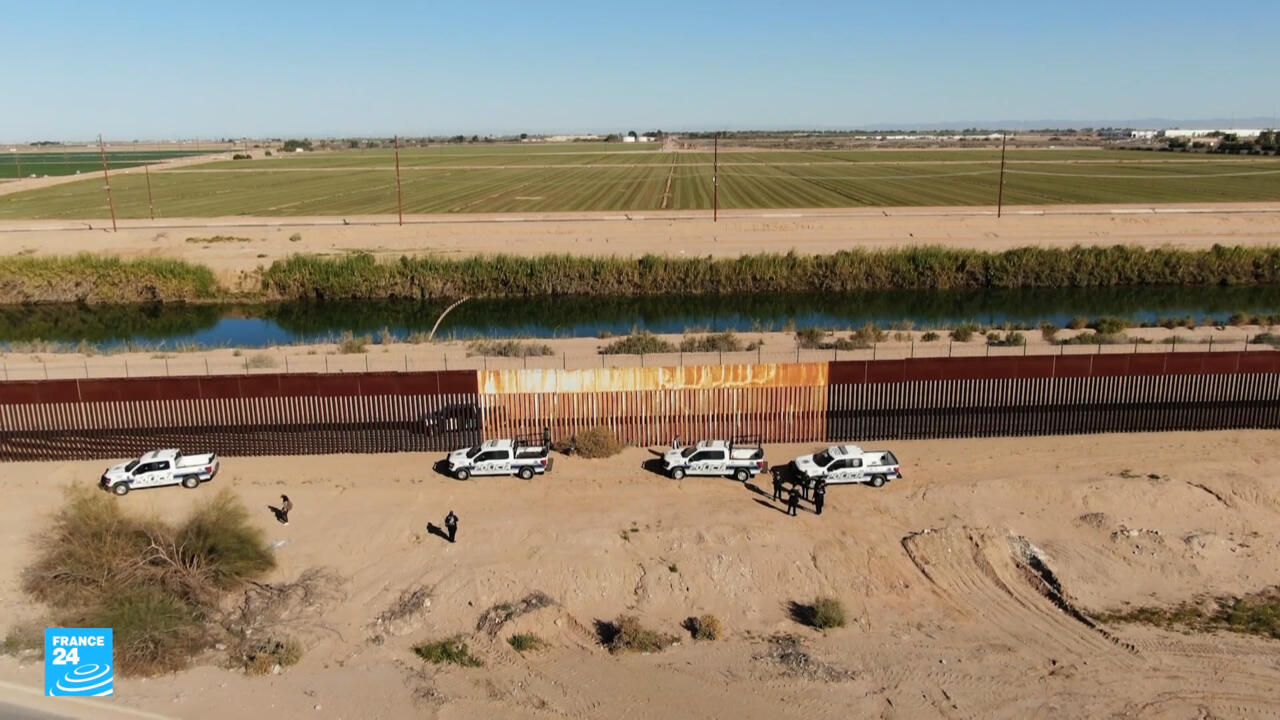
Amid sharp criticism from President Donald Trump, Mexico continues to face challenges related to drug trafficking and illegal immigration. As Trump threatens military intervention, the question remains: what does the border look like today?
Trump considers Mexico a "drug state" that does not control its borders, reflecting his ongoing concern about the impact of these issues on US national security. In light of these statements, security measures at the border have increased, with enhanced troop deployments and new border monitoring measures being implemented.
Event Details
In recent years, the border between the United States and Mexico has witnessed significant transformations. Substantial budgets have been allocated to strengthen border security, resulting in an increase in the number of border patrol agents and the expanded use of advanced technology for surveillance. These measures come at a time when concerns about the influx of illegal immigrants and drug trafficking are on the rise.
According to official reports, the number of migrants attempting to cross the border has increased significantly, placing additional pressure on US authorities. However, Mexico is also making efforts to combat drug trafficking, having strengthened cooperation with the United States in this area.
Background & Context
Historically, the US-Mexico border has been the scene of numerous crises related to drugs and immigration. For decades, the region has experienced violent conflicts between drug cartels, exacerbating the security situation. In recent years, these issues have become central to American politics, with some politicians using them as a means to attract voters.
Mexico is considered a strategic partner for the United States, but tensions surrounding the border could negatively impact bilateral relations. While Trump seeks to enhance security, Mexico promotes its efforts to combat organized crime and boost economic development in border areas.
Impact & Consequences
Tensions at the border continue to affect relations between the two countries, with Trump threatening stricter measures. This could worsen the humanitarian conditions for migrants, who face difficult circumstances on their journey to the United States. Additionally, the escalation in political rhetoric may negatively impact security cooperation between the two nations.
Furthermore, any potential military intervention could provoke strong reactions from the Mexican government, potentially leading to heightened tensions. At the same time, the international community is closely monitoring these developments, as any escalation could affect the stability of the entire region.
Regional Significance
Although the situation at the US-Mexico border may seem distant from the Arab region, issues related to migration and security pose common challenges. Many Arab countries face similar problems regarding illegal immigration, making it essential to exchange experiences and collaborate in addressing these issues.
Moreover, the situation in Mexico could influence US policies toward the Middle East, as any changes in American foreign policy may affect support provided to Arab countries in the areas of security and development.
In conclusion, the situation at the US-Mexico border remains under scrutiny, with challenges and pressures increasing. While Trump seeks to enhance security, Mexico faces internal and external challenges that require an effective response.