The President of the Indonesian Football Association, Smardji, emphasized the need to enhance cohesion among national team players following their loss to Bulgaria in the FIFA 2026 tournament. This statement came after the match held at the Gelora Bung Karno Stadium in Jakarta, where Indonesia lost by a score of 1-0.
Smardji explained that enhancing cohesion among players is a crucial step in the team's journey towards achieving its future goals, especially with major upcoming events such as the 2027 Asian Cup and the 2030 World Cup qualifiers.
Match Details
In the match that took place on Monday, Bulgarian player Marin Petkov scored the only goal from a penalty in the 38th minute, after Indonesian player Kevin Dicks committed a foul inside the penalty area. Despite the Indonesian team's field dominance, they were unable to convert their chances into goals, leading to their defeat.
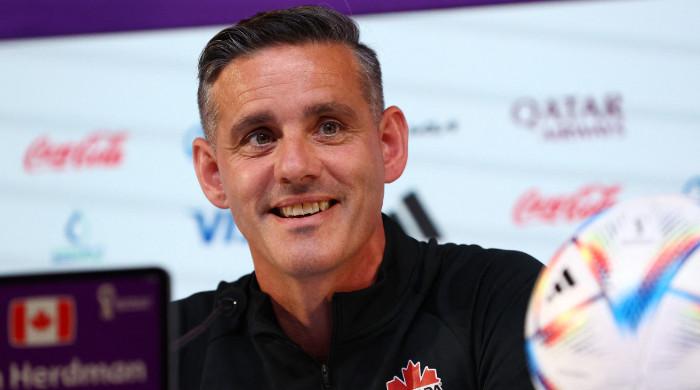
Smardji pointed out that building cohesion among players should be a gradual process, as this will assist coach John Herdman in forming a strong team capable of competing in upcoming tournaments. He stressed the need for the coach to develop bonds among players to achieve success.
Background & Context
Historically, Indonesian football has faced numerous challenges, as the national team has not achieved significant success on the international stage. However, there are great hopes for positive results in upcoming tournaments, especially with the appointment of coach John Herdman, who has extensive experience in the world of football.
The Indonesian team aims to build a strong squad that can compete internationally, and enhancing cohesion among players is a fundamental part of this process. In recent years, Indonesian football has seen notable developments, instilling hope for future achievements.
Impact & Consequences
Enhancing team cohesion can have a significant impact on the national team's performance in upcoming tournaments. If coach Herdman can build a cohesive team, it may help them overcome challenges they may face in the 2030 World Cup qualifiers.
Moreover, the success of the Indonesian national team in upcoming tournaments could contribute to enhancing the status of football in the country and motivate new generations to engage in the sport. Achieving positive results may also help attract investments and sponsorships for Indonesian football.
Regional Significance
Football is one of the most popular sports in the Arab world, with millions of fans following national team matches. The success of any team in Asia, such as the Indonesian team, could help strengthen sports ties between Arab countries and East Asian nations.
Furthermore, enhancing cohesion in sports teams can serve as a model for Arab countries seeking to develop their sports. Building strong and cohesive teams can contribute to achieving success on the international level.
In conclusion, hope remains for the Indonesian team to achieve positive results in the future, and enhancing cohesion among players is a fundamental step towards achieving this goal.