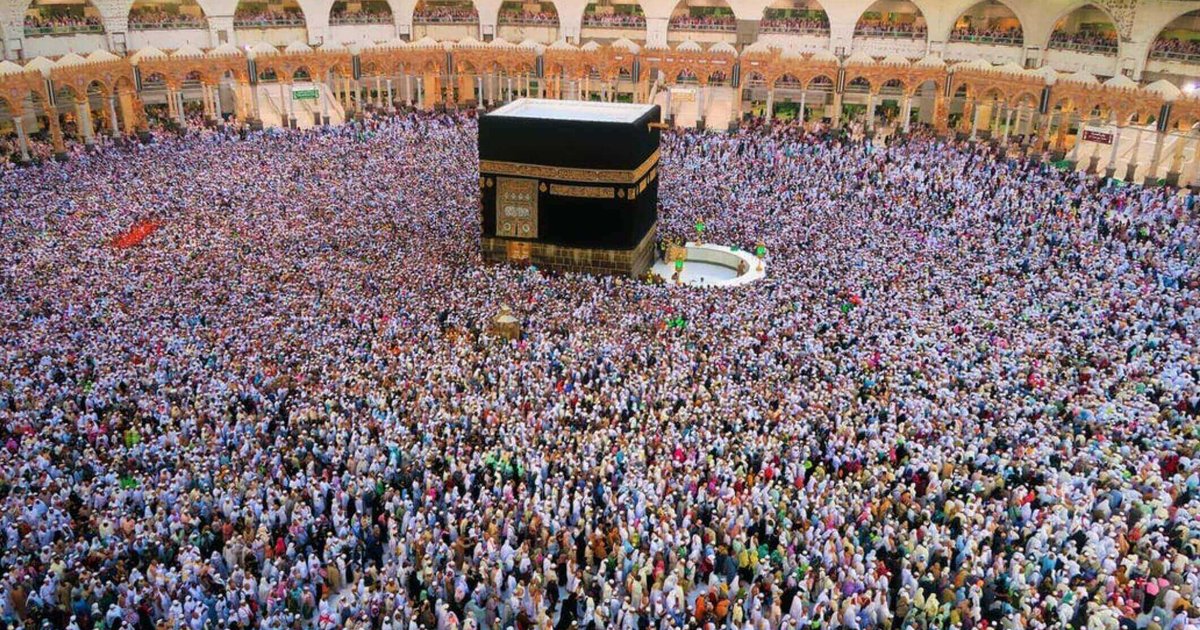
The relevant authorities in the Kingdom of Saudi Arabia have announced a set of new health regulations aimed at ensuring the safety of pilgrims during this year's Hajj season. These measures reflect the Saudi government's commitment to providing a safe and ideal environment for performing religious rituals, emphasizing the need for strict adherence to health protocols.
The authorities have established the condition of "capability" as one of the essential requirements, meaning that pilgrims must be in good physical and mental health to perform the rituals and move between the holy sites without any health complications. This requirement aims to protect pilgrims from severe fatigue or any health risks that may arise from an inability to endure physical exertion.
Details of the Regulations
The Saudi Ministry of Health, in collaboration with the Public Health Authority "Weqaya", is responsible for educating pilgrims about the necessary health requirements. These requirements include vaccination against various diseases, as pilgrims must receive the necessary vaccines before arriving at the holy sites. Additionally, dozens of medical centers and field teams have been prepared to provide health support to pilgrims at various locations.
These measures aim to limit the spread of infections and ensure the safety of pilgrims, with emergency plans in place to address any medical cases that may arise during the Hajj season. The importance of medical examinations for pilgrims before their departure to the holy lands has also been emphasized.
Background & Context
These steps are part of the ongoing efforts by the Kingdom of Saudi Arabia to provide a safe environment for pilgrims, especially following the health challenges faced globally due to the COVID-19 pandemic. Previous experiences have proven the importance of adhering to health measures to ensure everyone's safety.
Historically, the Kingdom has welcomed millions of pilgrims annually, and with the increasing number of pilgrims, the need to organize Hajj in a manner that ensures everyone's safety has become essential. Therefore, these health regulations reflect the Kingdom's commitment to providing the best services to the guests of Allah.
Impact & Consequences
The Saudi government hopes that these measures will enhance pilgrims' confidence in its ability to provide a healthy and safe environment. Adhering to health regulations may also help reduce health risks that pilgrims might face, thereby improving the overall Hajj experience.
These measures are expected to improve the level of health services provided to pilgrims, positively reflecting on the Kingdom's reputation in organizing Hajj. The success of these steps may encourage other countries to adopt similar practices in organizing major events.
Regional Significance
These measures serve as a model for the Arab region, as they can contribute to enhancing cooperation among countries in the field of public health. The Kingdom's success in organizing Hajj safely may encourage other nations to improve their health strategies.
At the same time, these steps reflect the commitment of Arab countries to provide a safe environment for their citizens and visitors, thereby strengthening cultural and religious ties among peoples.
In conclusion, the Kingdom of Saudi Arabia reaffirms its ongoing commitment to serving the guests of Allah and providing all necessary means for them to perform Hajj in a safe and healthy atmosphere.