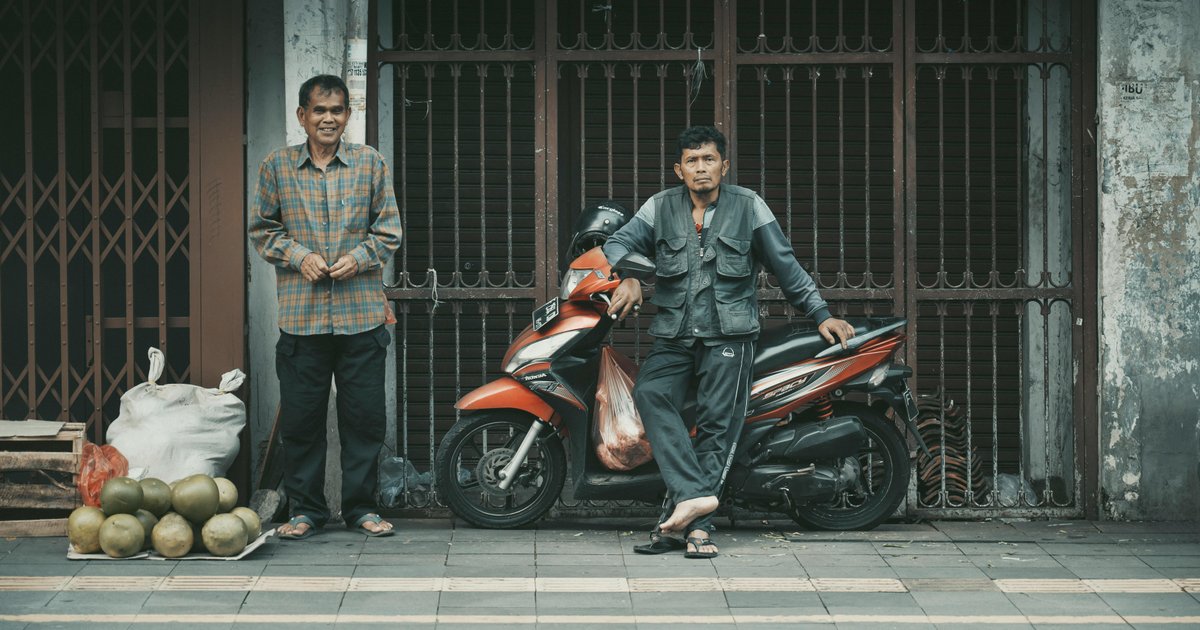
In an effort to enhance public order, local authorities in the Tanjung Priok area of Jakarta have removed a number of street vendors who continue to operate in public spaces. The campaign, executed on Wednesday, was part of the enforcement of Public Order Law No. 8 of 2007, resulting in the removal of four street vendors along with their equipment such as tables and stalls.
Mardanieh, the head of the local police unit (Satpol PP) in Tanjung Priok, confirmed that all removed equipment was transported to the police station for documentation and processing. He noted that the campaign targeted several strategic locations in the area, including Yos Sudarso Street and Sunter Kimoyuran Street, focusing on places that experience heavy congestion.
Details of the Campaign
This initiative is part of an ongoing effort known as "Organized Wednesday," aimed at creating a well-organized and comfortable public environment for citizens. Mardanieh explained that the goal of these measures is not only to enforce the law but also to raise community awareness about the importance of maintaining order and public beauty.
He added that the campaign will continue periodically, emphasizing the importance of community cooperation in adhering to the laws. "We hope citizens will recognize the importance of these laws and contribute to maintaining order and safety in their area," Mardanieh stated.
Background & Context
The phenomenon of street vendors is a common issue in many major cities around the world, where many individuals seek to earn a living by selling products in public spaces. In Indonesia, Jakarta is one of the cities most affected by this phenomenon, leading to street congestion and a decline in the overall appearance.
Historically, Indonesian authorities have attempted to regulate this phenomenon through the implementation of strict laws; however, challenges remain. In recent years, pressure has increased on local government to enforce the laws more rigorously, resulting in similar campaigns being carried out in various areas of the city.
Impact & Consequences
This campaign could lead to improved public order in Tanjung Priok, potentially contributing to enhanced tourism and increased citizen satisfaction with public services. However, authorities may face challenges in dealing with the backlash from street vendors who rely on this activity as their primary source of income.
Furthermore, these measures may raise awareness about the importance of adhering to laws, which could contribute to improving the overall situation in the city. As these campaigns continue, it is expected that other regions in Indonesia will adopt similar approaches to address the issue of street vendors.
Regional Significance
Many Arab cities face similar challenges related to street vendors, as many seek to earn a living by selling products on the streets. Jakarta's experience could serve as a model for how to address this phenomenon in a way that balances the rights of vendors with the needs of the community.
Ultimately, it requires a delicate balance between enforcing laws and protecting individual rights, contributing to improving the quality of life in Arab cities.