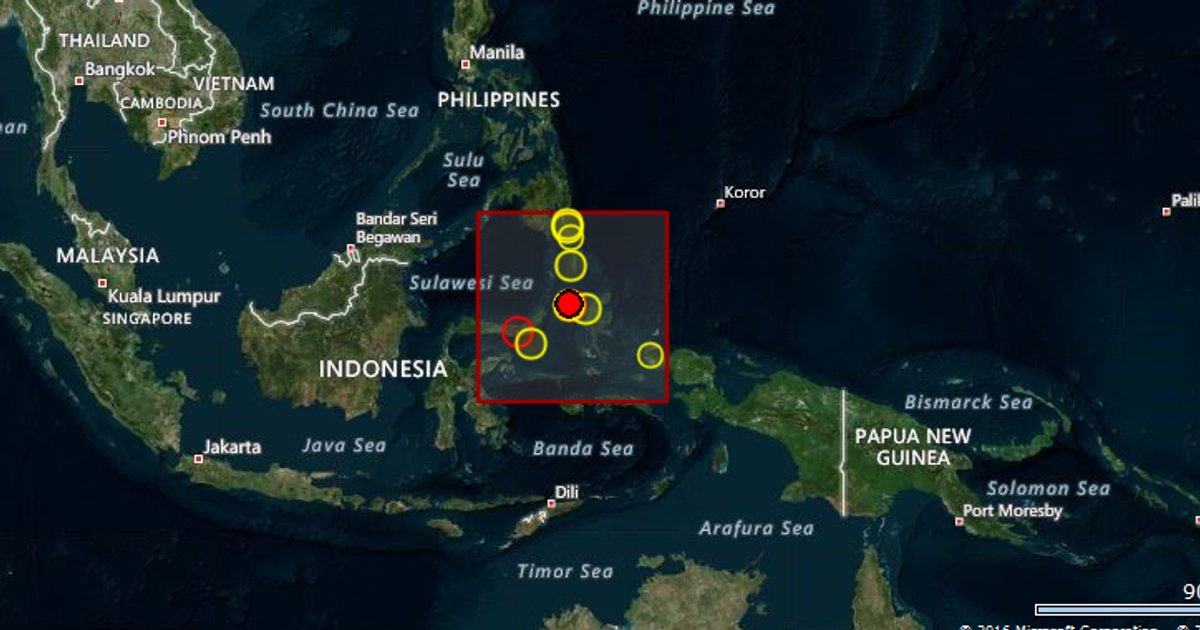
A powerful earthquake measuring 7.4 on the Richter scale struck the Maluku Sea in Indonesia, according to the American Seismological Center. The earthquake occurred early this morning, raising concerns about potential damage or a tsunami in the area. So far, there have been no reports of injuries or significant damage, but local authorities are closely monitoring the situation.
The earthquake occurred at a depth of approximately 10 kilometers, making it relatively shallow, which increases the likelihood of damage. Areas near the earthquake's epicenter include the islands of Sulawesi and Maluku, where a large population resides. Residents in these areas have been warned about the possibility of aftershocks.
Details of the Event
The Maluku Sea region is considered one of the most seismically active areas in the world, located on the Pacific Ring of Fire. This ring is a region where tectonic plates intersect, leading to increased seismic activity. The recent earthquake serves as a stark reminder of the dangers present in this area, as Indonesia has experienced numerous powerful earthquakes in recent years.
In 2004, Indonesia experienced a devastating earthquake measuring 9.1 that triggered a catastrophic tsunami, resulting in the deaths of over 230,000 people. This historical event remains etched in the memories of many and reflects the severity of earthquakes in this region.
Background & Context
Indonesia, comprising over 17,000 islands, is situated in a complex geographical area where several tectonic plates meet. This makes it susceptible to earthquakes and tsunamis. Although the Indonesian government has improved early warning systems, preparations still need to be enhanced to ensure the safety of the population.
Historically, Indonesia has witnessed many significant earthquakes, leading to the development of an earthquake awareness culture among its residents. Children are taught in schools how to act during earthquakes, which helps reduce human casualties.
Impact & Consequences
The recent earthquake may lead to economic and social repercussions in the region. If significant damage is reported, the government may need to allocate additional resources for reconstruction. The earthquake could also impact tourism, which is a major source of revenue for Indonesia.
Socially, the earthquake may increase anxiety among residents, especially those who have previously experienced earthquakes. It is crucial for the government to provide psychological and social support to those affected.
Regional Significance
Despite Indonesia's distance from the Arab world, earthquakes in this region garner global attention. Global markets are affected by natural events, and any significant damage in Indonesia could impact the prices of essential commodities such as oil and gas.
Arab countries may also learn from Indonesia's experiences in dealing with natural disasters, as some Arab nations like Lebanon and Syria are also located in seismic zones. Strengthening regional cooperation in disaster management is essential.
In conclusion, the situation in Indonesia remains under observation, with authorities hoping that this crisis will pass without significant damage. Preparedness and awareness of earthquakes remain vital to ensuring the safety of the population.