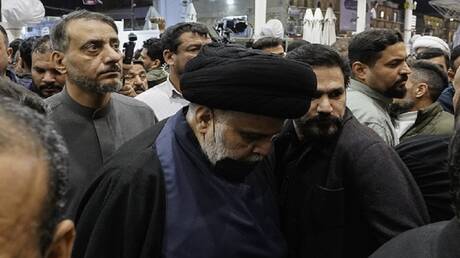
The statements made by the British ambassador in Iraq, where he indicated that the British were responsible for handing power to the Shiites, have provoked strong reactions from the leader of the Sadrist movement, Muqtada al-Sadr. Al-Sadr criticized the ambassador's remarks, arguing that they overlook Iraq's complex history and reflect a lack of genuine understanding of the political reality in the country.
In his response, al-Sadr asserted that it was the Iraqis who determined their own destiny, and any attempt to minimize their role in the political process is an insult to their history and struggle for sovereignty. This statement highlights the ongoing tensions among political forces in Iraq, particularly amidst the persistent sectarian and political divisions.
Details of the Event
The ambassador's comments came during a discussion about the challenges facing Iraq after years of conflict and occupation. He noted that Britain played a role in forming the Iraqi government after 2003, which sparked widespread debate in both political and public circles.
Al-Sadr's reaction was swift, expressing his discontent with the ambassador's remarks and emphasizing that Iraqis were the ones who brought down the previous regime and that they alone decide their future without external interference. This statement reflects a climate of tension among political factions in Iraq, especially given the ongoing sectarian and political rifts.
Background & Context
The modern history of Iraq is filled with events that have shaped the current Iraqi state. Since the American invasion in 2003, the country has undergone radical changes in its power structure, with a new political system based on sectarian quotas being introduced. This system has allowed the Shiites, who constitute the majority, to dominate governance, leading to tensions with other components of Iraqi society.
The British ambassador's remarks are part of a broader discussion regarding the role of foreign powers in Iraq, with many believing that foreign interventions have deepened divisions rather than fostering national unity.
Impact & Consequences
The ramifications of the British ambassador's statements extend beyond Iraq, raising questions about the future of relations between Iraq and Britain. These comments may exacerbate national sentiments among Iraqis, increasing calls for sovereignty and independence from foreign interventions.
Moreover, the reactions from Iraqi political forces could influence the formation of the upcoming government, as many politicians seek to bolster their positions by leveraging these remarks to demonstrate their loyalty to Iraq and its people.
Regional Significance
The events in Iraq serve as an indicator of broader tensions in the region, as the sectarian and political conflicts in Iraq reflect the challenges faced by many Arab countries. These statements may reinforce sectarian divisions in other nations, complicating the political landscape in the region.
Ultimately, the British ambassador's comments exemplify how external powers can influence internal politics and provoke strong reactions from local leaders.