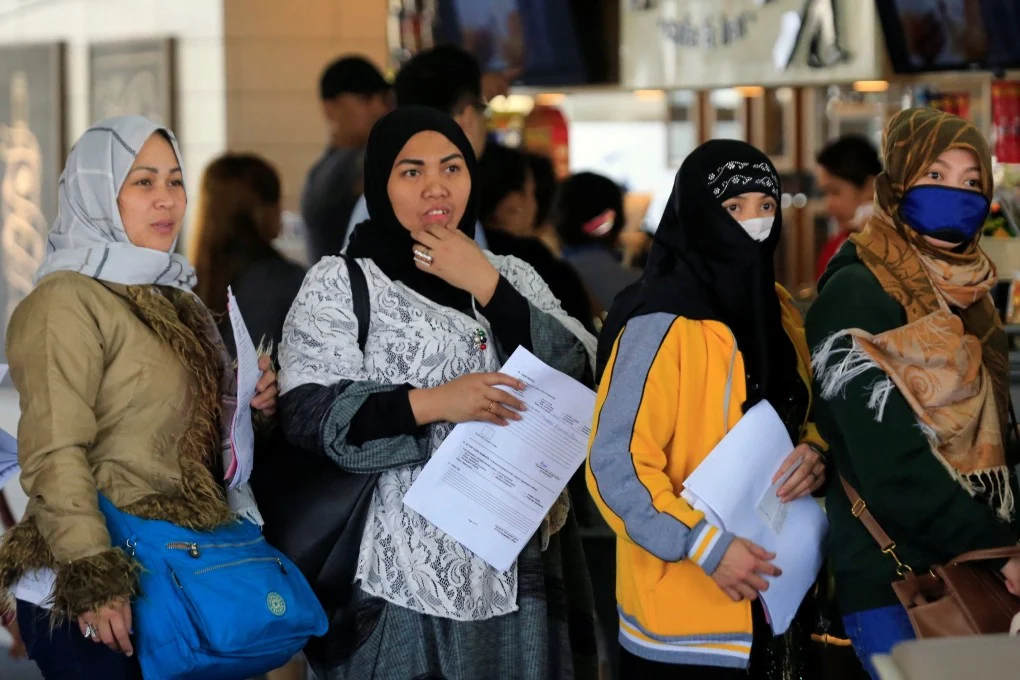
Many Filipino migrants experience feelings of nostalgia and separation as they live far from their families in pursuit of better living conditions. Jeffrey Ongoku, a 46-year-old, is one of these migrants who left the Philippines in 2007 for job opportunities in Saudi Arabia before moving to Qatar in 2010.
Jeffrey works as a document manager at a construction company in Doha, where he and his wife strive to provide a decent life for their 16-year-old daughter, who has lived in the Philippines since childhood. She is cared for by her family in Bataan province, located about 130 kilometers northwest of Manila, making communication between the family challenging.
Details of the Situation
The number of Filipinos leaving their homeland for better job opportunities is on the rise, leaving their families and loved ones behind. Jeffrey, like many others, watches his daughter's growth through a phone screen, which deepens his feelings of longing.
The Philippines is one of the largest labor-exporting countries in the world, with many seeking to improve their economic situations. However, the cost of separation from family significantly impacts the mental and social health of migrants.
Background & Context
Over the years, migration from the Philippines has become an integral part of many families' lives. This is due to the difficult economic conditions in the country, prompting many to seek job opportunities abroad. According to statistics, over 10 million Filipinos live overseas, making them a significant part of the national economy.
Historically, Filipino migration began in the 20th century when the country faced poverty and unemployment. Over time, this phenomenon evolved into a part of Filipino culture, where working abroad is seen as an opportunity to improve living standards.
Impact & Consequences
Migration significantly affects Filipino families, as children suffer from the absence of parents, impacting their psychological and social development. Studies indicate that children raised in migrant families may face challenges in adapting to daily life.
Moreover, the migrants themselves experience psychological stress due to separation, which can lead to health issues. Psychological and social support is essential to help them cope with their circumstances.
Regional Significance
The Gulf countries, especially Qatar and Saudi Arabia, are major destinations for Filipino labor. These workers contribute to the local economy through their remittances to their families in the Philippines, helping to improve their living conditions.
However, the challenges they face require greater attention from governments and local communities to ensure a safe and supportive working environment for them.
In conclusion, the suffering of Filipino migrants embodies a painful reality that requires a balance between improving economic conditions and caring for the family. Supporting these workers and their families is a shared responsibility that necessitates collective efforts.