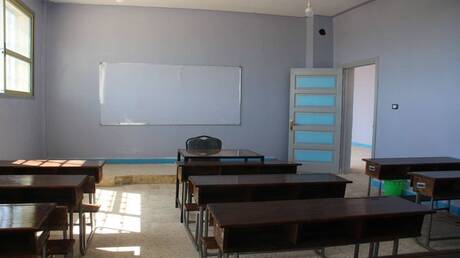
Students in the preparatory and secondary certificates in Sweida province are living in increasing anxiety, as they have been unable to obtain clear information regarding their exam locations. This crisis stems from a failure to reach an agreement between the Ministry of Education and the education directorate in Sweida, exacerbating tensions among students and parents.
This time of year is crucial for students, as they prepare for their final exams that will determine their academic fate. With the lack of clarity about exam locations, students are worried about how this will affect their academic performance.
Details of the Situation
Local sources have reported that the Ministry of Education has not yet announced the approved centers for conducting the exams, leading to confusion among students. While students are looking forward to preparing well, the absence of accurate information about exam sites is hindering their study plans.
It is worth noting that this is not the first time students in Sweida have faced such issues. In previous years, similar challenges have been witnessed, negatively impacting the level of education in the region.
Background & Context
Historically, Sweida province has suffered from numerous educational crises, particularly amid the difficult political and economic conditions the country is experiencing. These circumstances have led to a decline in educational standards in some areas, increasing anxiety among students and parents.
The Ministry of Education is striving to improve the educational situation, but ongoing challenges hinder these efforts. The failure to reach an agreement on exam locations reflects a lack of coordination among the concerned parties, raising questions about the educational system's ability to cope with crises.
Impact & Consequences
This crisis could lead to negative effects on students' performance in exams, as anxiety and uncertainty may impact their focus and preparedness. Additionally, the lack of clarity regarding exam locations could result in a decrease in pass rates, adversely affecting students' futures.
Moreover, this crisis may tarnish the reputation of the educational system in Sweida, as some may view these issues as evidence of failure in managing the educational process. This could lead to a loss of trust in educational institutions.
Regional Significance
This issue exemplifies larger problems facing education systems in many Arab countries. Numerous nations are grappling with similar educational crises, affecting the future of Arab youth as a whole.
Improving education is a priority in the region, as quality education is the pathway to sustainable development. Therefore, addressing these educational crises must be at the forefront of priorities for Arab governments.
In conclusion, the Ministry of Education and the local education directorate in Sweida must urgently work to resolve this crisis and provide necessary information to students. The future of students depends on their ability to successfully pass these exams, requiring a concerted effort from all stakeholders involved.