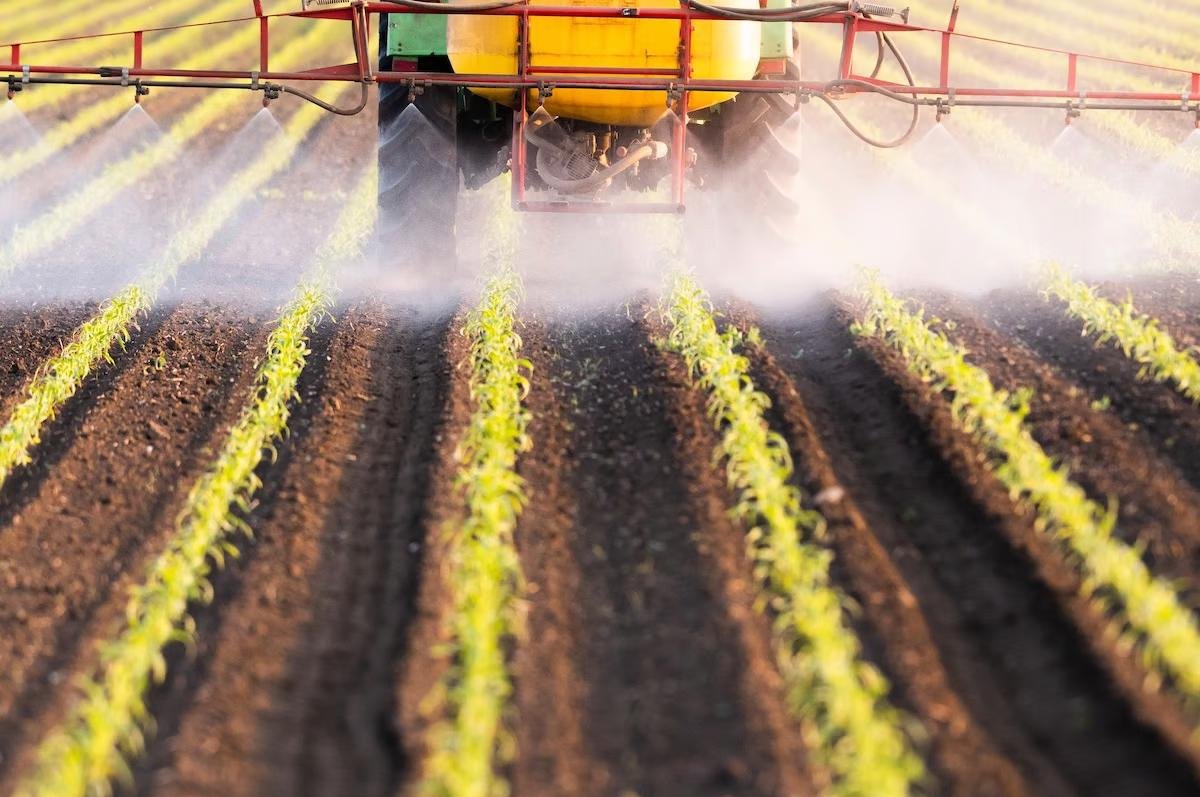
A new study has shown that the use of a mixture of agricultural pesticides can lead to an increased risk of cancer by up to 150%. These results come at a time when concerns about food safety and the effects of pesticides on human health are on the rise.
The study involved an analysis of several types of pesticides used in agriculture, monitoring their impact on both farmers and consumers. The findings confirmed that continuous exposure to a combination of these chemicals increases the likelihood of developing serious diseases, including cancer.
Details of the Study
Agricultural pesticides are considered an essential part of modern farming, used to protect crops from pests and diseases. However, the excessive or incorrect use of these chemicals can lead to negative health effects. The recent study highlights the potential risks associated with the use of pesticide mixtures, prompting a reevaluation of current agricultural policies.
The study included data analysis from several countries, gathering information from farmers exposed to varying levels of pesticides. Results showed that those who used a mixture of pesticides were more likely to develop certain types of cancer compared to those who used individual pesticides.
Background & Context
Historically, agricultural pesticides have been viewed as an effective solution to agricultural challenges. However, scientific studies in recent years have begun to reveal the health risks associated with their use. In many countries, certain types of pesticides have been banned due to their association with serious illnesses.
There is increasing pressure on governments and agricultural companies to adopt safer and more environmentally friendly farming practices. Moreover, there are growing calls for the development of natural alternatives to chemical pesticides, which could help reduce health risks.
Impact & Consequences
The implications of this study extend beyond individual health, affecting agricultural policies and legislation regarding pesticides. If these findings are further confirmed, it could lead to significant changes in how agricultural pesticides are regulated.
These results may also influence agricultural markets, as consumers may shift towards organic products or those free from pesticides. This shift could pave the way for innovations in sustainable agriculture.
Regional Significance
In the Arab region, where many countries rely on agriculture as a primary source of food and economy, these findings could have a significant impact. Concerns about food safety are increasing, which may lead to changes in agricultural strategies and food production.
It is crucial for Arab countries to adopt agricultural policies that consider the health risks associated with pesticides and work towards promoting sustainable agriculture. This may include supporting farmers in using safer and more effective agricultural techniques.
This study underscores the importance of reevaluating the use of agricultural pesticides and urges immediate action to protect public health. There must be collaborative efforts from governments, farmers, and consumers to ensure food safety.