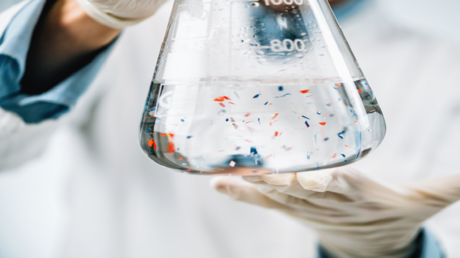
A recent study conducted by scientists from the Chemistry Department at Moscow University has revealed that the levels of microplastics found in bottled drinking water are considered to be very low. The findings confirmed that these levels depend more on the conditions of water treatment rather than the type of plastic packaging used.
This study comes at a time when global concerns about the impact of plastics on public health and the environment are increasing. Plastic bottles have become an integral part of our daily lives, raising questions about their safety and their impact on the quality of the water we consume.
Event Details
The researchers at Moscow University analyzed samples of bottled drinking water, measuring the microplastic content. The results showed that the quantity present in this water was significantly lower than expected. The scientists pointed out that the factors influencing the presence of these particles include the method of water treatment and the duration of storage, not just the type of plastic bottle.
These results are encouraging, as they help alleviate concerns regarding the impact of plastic bottles on public health. However, scientists recommend further research to understand the potential long-term effects.
Background & Context
Concerns about plastics have increased in recent years, especially after previous studies indicated large amounts of microplastics in oceans and rivers. These worries have influenced the policies of many countries, with some governments beginning to impose restrictions on plastic use.
In this context, the Moscow University study highlights the importance of proper water treatment, which could reduce potential risks. Additionally, these findings may help change the negative perception of plastic bottles, especially if they are used responsibly.
Impact & Consequences
The results of this study are significant for various sectors, including the bottled water industry, as they could influence companies' decisions regarding packaging. Moreover, these findings may help enhance consumer confidence in the quality of the water they purchase.
Furthermore, this study could pave the way for more research on the impact of plastics on the environment and human health, potentially leading to the development of new technologies for water treatment and reducing plastic use.
Regional Significance
Arab countries face significant challenges in water management, as freshwater is considered a scarce resource. Therefore, understanding the impact of plastic bottles on water quality is vital. The results of this study may help guide policies related to water management in the region.
Additionally, these findings could support Arab countries' efforts to improve the quality of bottled water, enhancing citizens' health and reducing potential health risks.
In conclusion, the Moscow University study underscores the importance of ongoing research into the impact of plastics on the environment and human health. As global awareness of these issues grows, the results obtained by researchers may contribute to shaping a safer and healthier future for all.