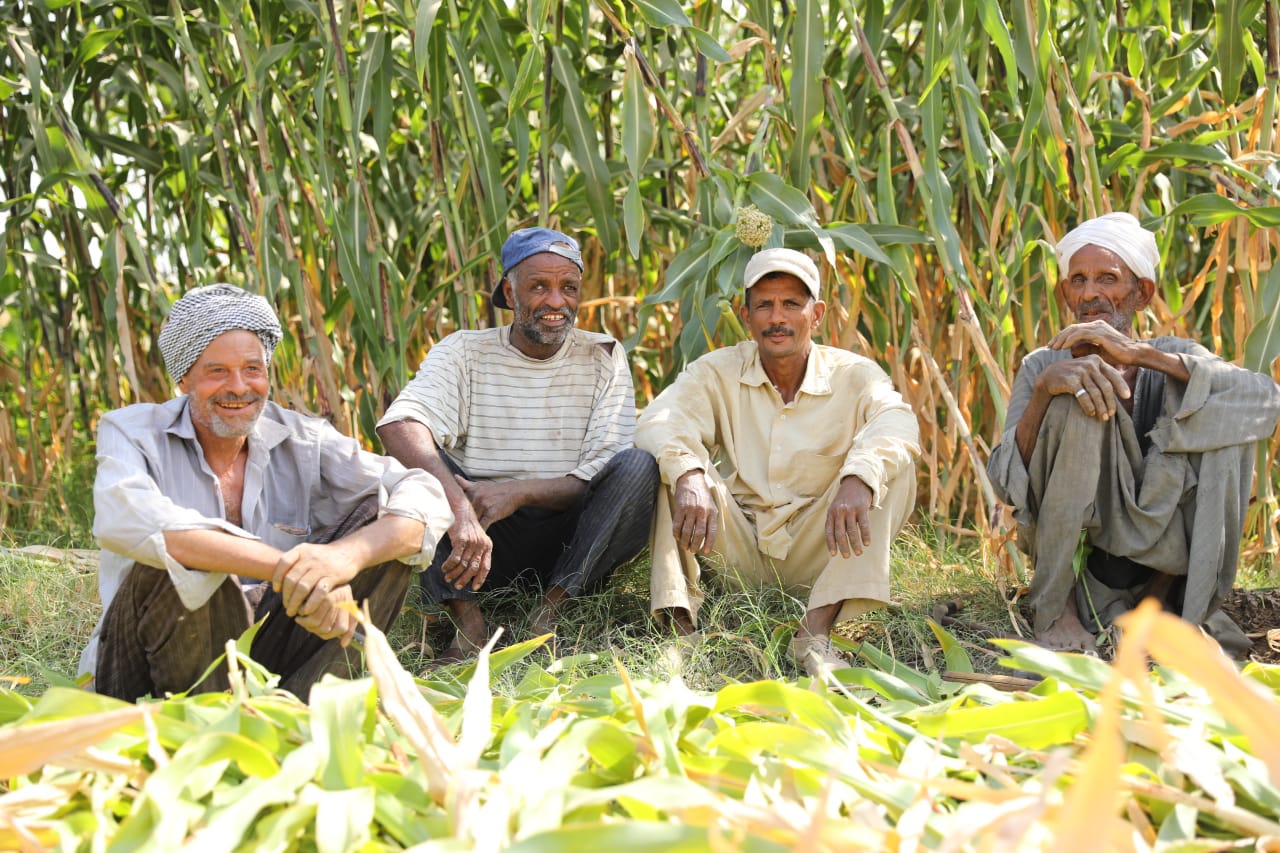
The Agricultural Innovation Project, part of Egypt's Ministry of Agriculture and Land Reclamation, showcased the success of land consolidation during an extensive workshop held in Assiut Governorate. This initiative is viewed as a strategic step aimed at supporting small farmers and enhancing their ability to meet the requirements of both local and international markets.
This initiative aligns with the directives of Mr. Alaa Farouk, the Minister of Agriculture and Land Reclamation, who emphasized the importance of providing comprehensive support to small farmers and increasing the productivity of arable land. Such support is vital given the economic challenges facing the agricultural sector in Egypt.
Event Details
During the workshop, participants discussed the lessons learned from implementing the land consolidation approach, which aims to integrate small agricultural lands into larger units, facilitating farmers' access to necessary resources and services. The discussion also focused on improving the quality of agricultural products and increasing their competitiveness in the markets.
Participants noted that land consolidation contributes to reducing costs and increasing productivity, benefiting farmers and enhancing the sustainability of agriculture in the region. Successful experiences from other areas in Egypt were also presented, demonstrating the effectiveness of these strategies in improving farmers' economic conditions.
Background & Context
Agriculture is a vital sector in the Egyptian economy, significantly contributing to job creation and food security. However, farmers face numerous challenges, including fragmented agricultural holdings and difficulties in accessing markets. Therefore, implementing the land consolidation model is considered an innovative solution to address these challenges.
Historically, agriculture in Egypt relied on traditional methods, leading to low productivity. With the introduction of modern technology and sustainable agricultural practices, the government has begun adopting new strategies aimed at improving the agricultural sector.
Impact & Consequences
The land consolidation experience is expected to enhance the living conditions of small farmers, contributing to poverty reduction and increased income. Moreover, boosting productivity and the quality of agricultural products will help enhance Egyptian exports and increase their competitiveness in global markets.
Furthermore, the success of this experience may encourage other countries in the region to adopt similar models, contributing to strengthening food security in the Arab world and enhancing regional cooperation in agriculture.
Regional Significance
The land consolidation experience in Assiut serves as a model for Arab countries facing similar challenges in the agricultural sector. This initiative can contribute to improving agricultural productivity and enhancing the competitiveness of products in regional and international markets.
In light of the climatic and economic challenges facing the region, strengthening cooperation among Arab countries in agriculture and agricultural technology is vital for achieving sustainable development.
In conclusion, the success of the land consolidation experience in Assiut represents an important step towards supporting small farmers and improving the agricultural sector in Egypt, reflecting the government's commitment to enhancing food security and achieving sustainable development.