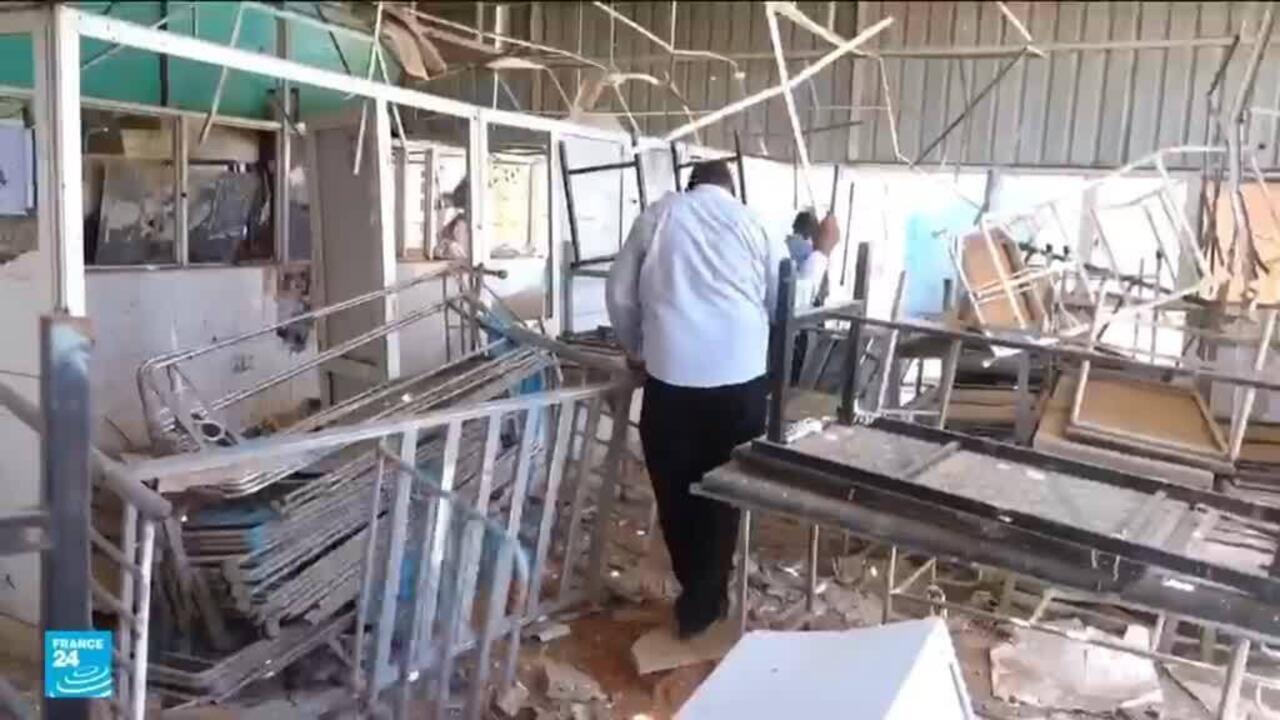
Reports indicate that approximately 40% of hospitals in Sudan have ceased operations due to ongoing battles between the Sudanese army and Rapid Support Forces. In this dire situation, hundreds of thousands of displaced individuals in North Darfur face severe humanitarian challenges.
Clashes continue in Sudan, exacerbating humanitarian and health crises. Hospitals that once provided services to civilians are now out of service, increasing the suffering of residents in need of healthcare. The doctors and nurses who remain in the country are under immense pressure as they strive to provide assistance in extremely difficult conditions.
Details of the Situation
Statistics show that more than 40% of hospitals in Sudan are no longer able to provide medical services. This situation directly impacts the lives of civilians, forcing many to seek treatment in distant areas or rely on alternative healthcare, which is often inadequate.
The number of displaced individuals in North Darfur is rising, with estimates indicating that hundreds of thousands have left their homes due to the conflict. These displaced persons are living in harsh conditions, with camps lacking basic facilities such as clean water, food, and healthcare.
Background & Context
The history of conflict in Sudan spans many years, with the country experiencing multiple struggles that have led to societal fragmentation and increased poverty. The current conflict between the Sudanese army and Rapid Support Forces is a result of accumulated political and military tensions, complicating the situation further.
Historically, regions like Darfur have suffered from armed conflicts, resulting in mass displacement of populations. Humanitarian crises in these areas are not new, but the current situation exacerbates the suffering of residents and heightens the need for urgent humanitarian intervention.
Impact & Consequences
The war in Sudan affects regional stability, potentially leading to new waves of refugees into neighboring countries. This mass displacement could place additional pressure on resources in host countries, increasing tensions in the region.
The economic impact of the conflict will be long-lasting, affecting vital sectors such as agriculture and trade. The deterioration of the security situation is expected to lead to a decline in foreign investments and negatively impact the Sudanese economy.
Regional Significance
The humanitarian crises in Sudan serve as a wake-up call for Arab countries, reflecting the challenges faced by the region in terms of security and stability. The conditions in Sudan could exacerbate crises in other countries, necessitating a coordinated response from Arab nations and the international community.
These humanitarian crises require international cooperation to assist those affected and provide necessary support. A swift and effective response could help alleviate suffering and improve living conditions for the displaced.