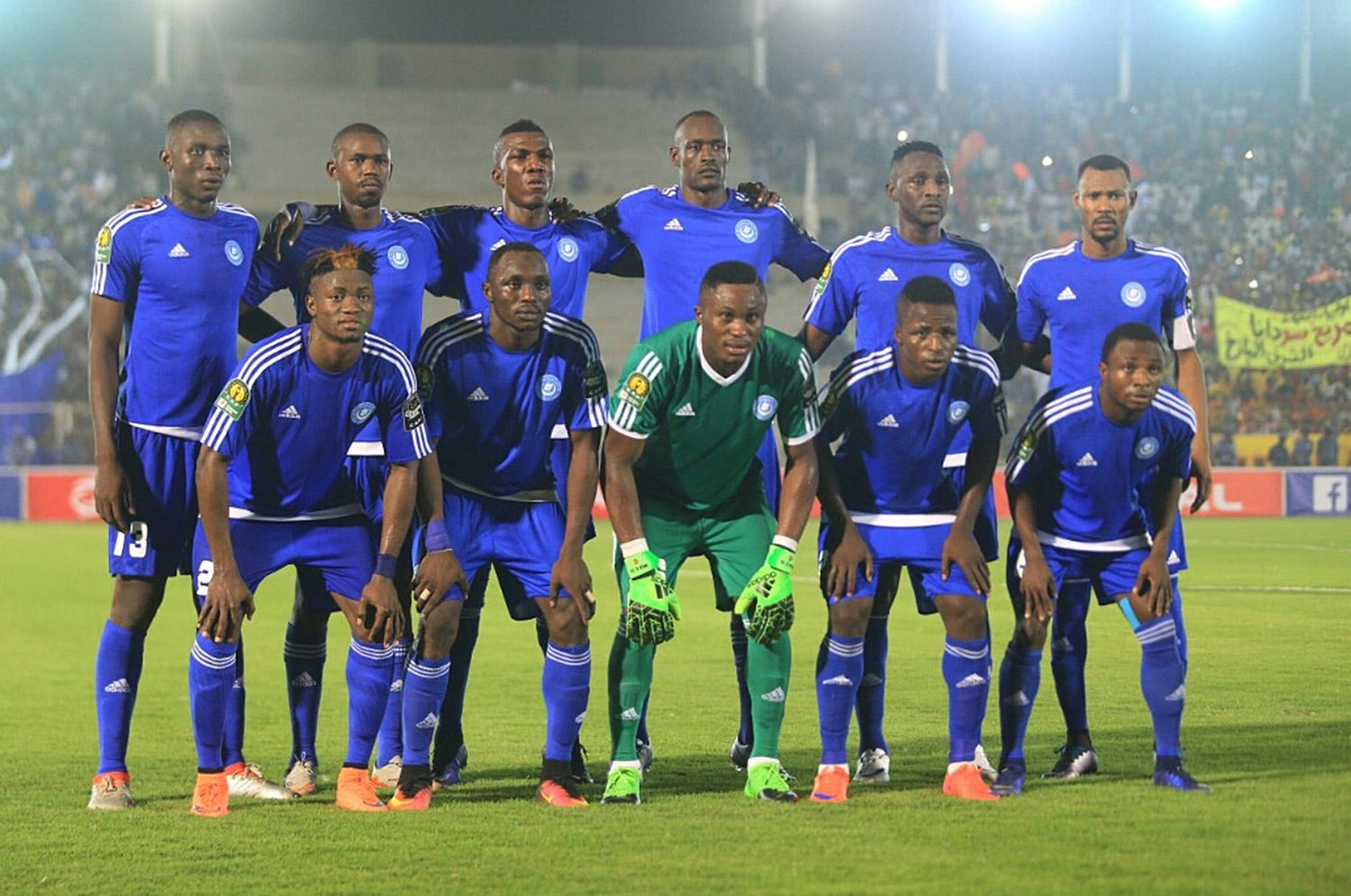
Sudanese club Al-Hilal has officially lodged a complaint with the Confederation of African Football (CAF) against Moroccan club RS Berkane, accusing them of doping during competitions. This move aims to protect the integrity of the game and ensure fairness in continental competitions.
This complaint is part of Al-Hilal's ongoing efforts to maintain the club's reputation and ensure that it is not subjected to injustice in competitions. The club indicated that there are indications suggesting that players from RS Berkane have used performance-enhancing substances, which could affect match results and undermine the integrity of the tournament.
Details of the Incident
Al-Hilal submitted its complaint to CAF following a controversial match between the two teams in the African tournament. The match witnessed a strong performance from RS Berkane, raising questions about the legitimacy of their players' performance. Al-Hilal attached a set of evidence to the complaint, including medical reports and laboratory analyses.
Al-Hilal, which is one of the oldest clubs in Sudan, always strives for success in African tournaments. This action is seen as a bold step in its efforts to maintain the integrity of competitions, especially given the challenges faced by African clubs in combating doping.
Background & Context
Historically, African football has witnessed numerous doping-related cases, with previous instances of clubs and players being caught using banned substances. These cases have led to strict measures being taken by sports federations, including imposing penalties on the involved clubs and players.
This issue is part of broader efforts by sports bodies in Africa to combat doping, as they seek to enhance transparency and integrity in competitions. This comes at a sensitive time for African football, where there is increasing pressure to improve the image of the game on an international level.
Impact & Consequences
If Al-Hilal's allegations are proven true, RS Berkane could face severe penalties from CAF, including the annulment of match results or even exclusion from competitions. This could significantly affect the team's journey in continental tournaments and also reflects the importance of combating doping in maintaining the integrity of the game.
On the other hand, this case may raise awareness among clubs and players about the risks of doping, potentially contributing to improved adherence to sports regulations. Additionally, this issue could open the floor for further discussions on how to enhance doping control in African football.
Regional Significance
This case is particularly significant for the Arab region, highlighting the challenges faced by Arab clubs in continental competitions. With increasing competition, it becomes essential to promote integrity and transparency in the game to ensure fairness among clubs.
Furthermore, this issue could impact the reputation of Arab clubs on international platforms, necessitating effective measures to combat doping and promote sports values. Ultimately, the integrity of the game remains the foundation upon which the future of football in the region should be built.