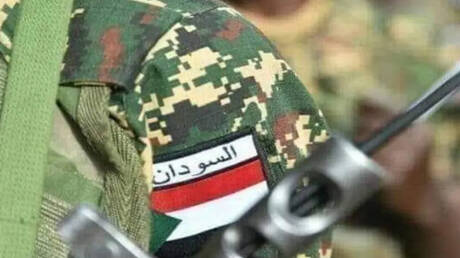
On Thursday, the Sudanese Armed Forces implemented comprehensive changes to their leadership structure, which included a reorganization of the General Staff. These adjustments come in light of the complex political and security circumstances facing the country, reflecting the military leadership's efforts to enhance its capability to confront current challenges.
The announced changes include new appointments to senior positions, with a selection of experienced and competent officers chosen to lead various military branches. This step aims to improve coordination among military units and enhance rapid response to crises.
Details of the Changes
The reorganization of the General Staff in the Sudanese Armed Forces is designed to enhance military efficiency. The adjustments included new appointments to the positions of Chief of Staff and their deputies, in addition to a redistribution of tasks among the different branches. These changes come at a sensitive time, as the armed forces seek to bolster the country's stability amid tense security conditions.
Moreover, the importance of these adjustments in improving the training and qualification levels of officers has been emphasized, contributing to the readiness of the armed forces to face any potential threats. The military leadership has expressed its commitment to enhancing national security and protecting national sovereignty.
Background & Context
Historically, the Sudanese Armed Forces have witnessed numerous changes in their leadership structure, especially during periods when the country faces political or economic crises. In recent years, Sudan has faced significant challenges, including internal conflicts and economic crises, necessitating a reevaluation of military leadership strategies.
These adjustments come at a time of significant political transformations in Sudan, following a period of popular protests that led to changes in the government. Therefore, strengthening military leadership is considered an important step in the context of stabilizing the country.
Impact & Consequences
These changes are expected to affect the military performance of the Sudanese Armed Forces, as they may contribute to improving coordination among military units and enhancing the ability to respond to crises. Additionally, the presence of new leadership may bring fresh ideas and strategies, which could help improve the effectiveness of military operations.
Furthermore, these changes may impact the relationships between the armed forces and the civilian government, as military leadership must work in a balanced manner with the government to achieve national objectives. This dynamic could lead to either increased cooperation or tension, depending on how the relationship between the two parties is managed.
Regional Significance
The Sudanese Armed Forces are considered one of the significant military powers in the region, and any changes in their leadership structure may affect regional stability. Given the tense situations in some neighboring countries, enhancing Sudan's military capabilities could contribute to achieving a balance of power in the region.
Moreover, these changes may attract the attention of regional and international powers that are closely monitoring the situation in Sudan. Strengthening stability in Sudan could have a positive impact on regional security, contributing to peace and development in the area.
In conclusion, the recent adjustments in the senior leadership of the Sudanese Armed Forces represent an important step towards enhancing security and stability in the country. The new military leadership must work diligently to achieve national objectives and meet the aspirations of the Sudanese people.